
The program titled “Afghanistan: A Diamond in the Ashes”, hosted by the Institute of Culture and the City Library of Kraków, Poland, was held to present a more comprehensive image of Afghanistan.
The event took place on Friday, June 12, and was attended by several university professors, researchers, social activists, and Polish writers.
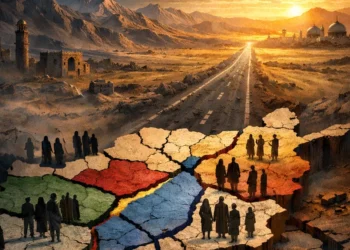
According to reports, the program emphasized that Afghanistan is mostly portrayed in international media through the lens of war, crisis, and insecurity. However, this image alone cannot represent the country’s rich history, ethnic diversity, extensive cultural heritage, and the complex realities of the lives of its people.
The event sought to introduce Afghanistan from historical, social, cultural, and contemporary perspectives to the audience.
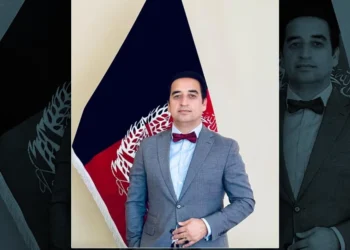
Bismillah Tabaan, a PhD student at Jagiellonian University, stated that in many cases Afghanistan is judged mainly through war-related news, which has led to one-sided perceptions of Afghan society and has even influenced how some people treat Afghan migrants.
He also highlighted the challenge of religious extremism, stressing that a significant portion of Afghans have themselves been victims of this phenomenon, and that Afghan society should not be reduced to the actions of radical groups such as the Taliban.
Tabaan discussed the current situation in Afghanistan from security, social, and human rights perspectives, describing the Taliban as one of the main factors behind the country’s current conditions.
He urged attendees to use their social connections with policymakers and officials to emphasize the importance of addressing the situation of the Afghan people and to prevent the normalization of repressive practices.
Videos showing Taliban treatment of women, including recent incidents in Herat, were also presented during the event.
Mahmood Shamsi, an Afghan academic activist, highlighted the cultural diversity of Afghanistan and spoke about the traditional sport “Buzkashi” as one of the country’s cultural and social symbols, describing it as part of the cultural identity of some Afghan communities.
Mateusz Kłagisz, a university professor and researcher on Afghan affairs, also shared his views and analyses on the country’s political and social situation with the participants.
The organizers stated that the main goal of the conference was to raise public awareness, strengthen intercultural dialogue, and present a more balanced and multidimensional image of Afghanistan, a country with a rich history, broad cultural and ethnic diversity, and significant human potential alongside complex challenges.
Decades of war and insecurity have created an image of Afghanistan associated with poverty, destruction, migration, and violence, keeping the country in the global media spotlight for many years.