Flames of Hope and Art: The Third 8AM Annual Awards in Melbourne
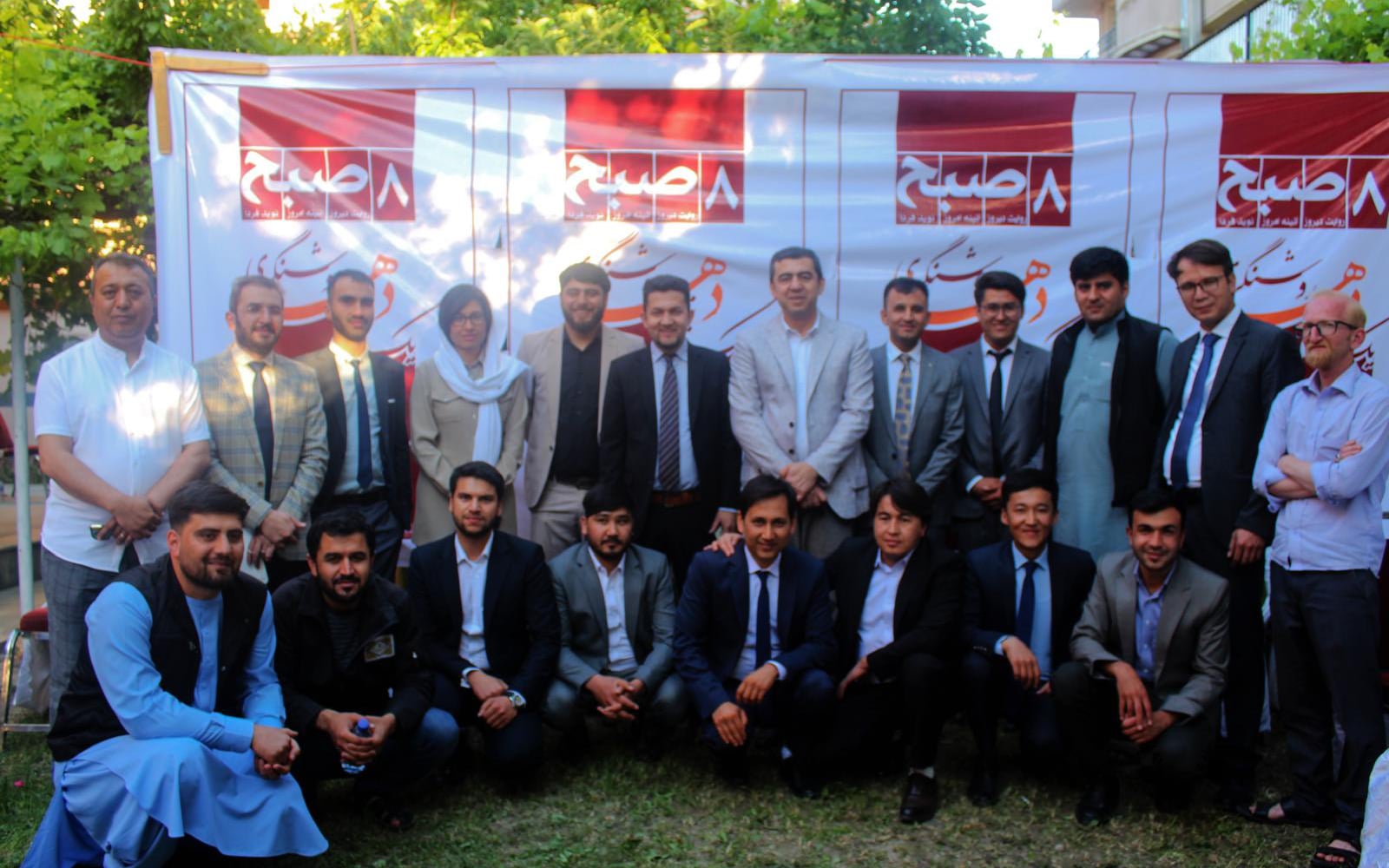
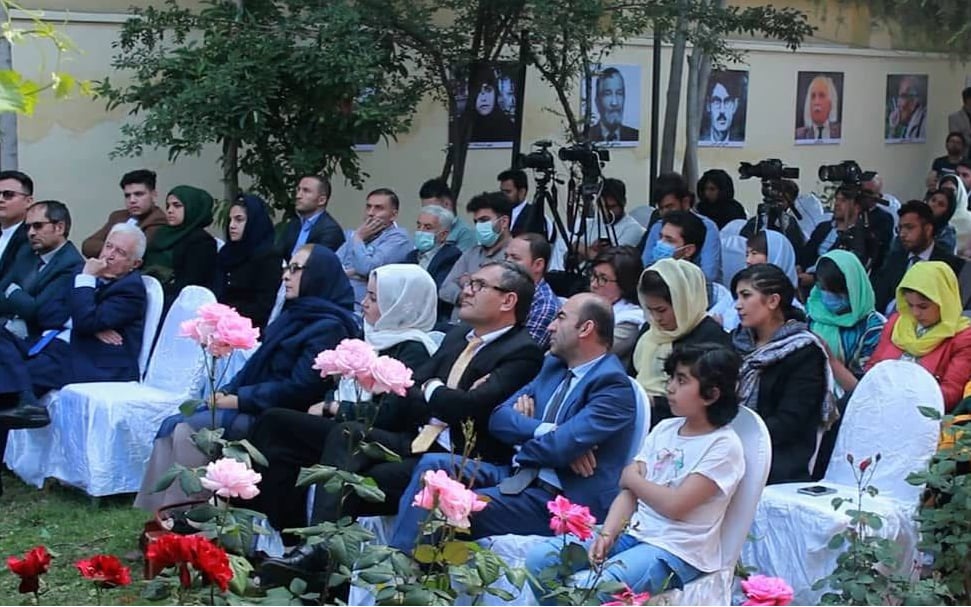
The city of Melbourne, Australia, became the stage for the third annual awards ceremony of the 8AM Media, a night dedicated to courage, creativity, and resilience. The event honored those who, driven by love for their homeland, have kept the light of freedom, knowledge, and culture alive through the darkest times. Each statuette told a living story of people who used art, research, sports, and diplomacy to build bridges of hope across pain and exile. From the depths of history to the heart of migration, from the quiet of displacement to the sound of joy and the cry of life, they left behind moments and memories that still shine.
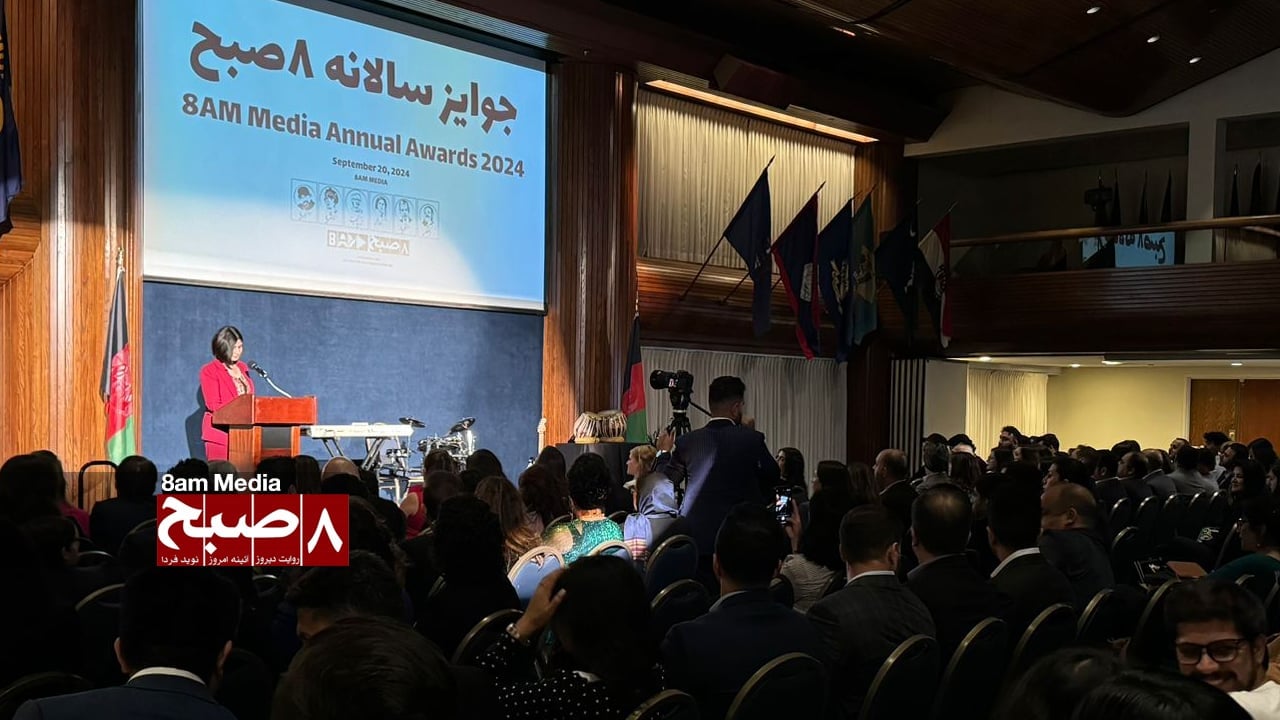
The ceremony took place on Sunday, December 7, 2025, and paid tribute to figures and ideas that shaped awareness, freedom, culture, and art in the modern history of Afghanistan. The evening opened with the moving sound of national music. The well-loved song “My Homeland, Rise Once More,” performed with warmth and passion by Dawood Sarkhosh, filled the hall through the speakers and stirred deep feelings of love for the homeland and the ache of exile in every heart. After the music, short videos traced the powerful journey of the 8AM Media. Each image revealed the tireless efforts and deep devotion of those who worked for truth, enlightenment, and freedom.
As the hosts welcomed the guests, the voice of poetry filled the hall. A poem by Simin Behbahani echoed the pain and suffering of the People of Afghanistan under Taliban rule. The sorrowful recitation carried both grief and quiet strength:
Open a window of freedom to my prison,
Spend a jug full of joy, for I am your guest
Where is my dawn’s splendor? Where is my midday joy?
A colorless sun hangs above my veranda
Become a scattering silver cloud so that, like a fruitful vine,
Before generous hearts and hands, I may scatter my own.
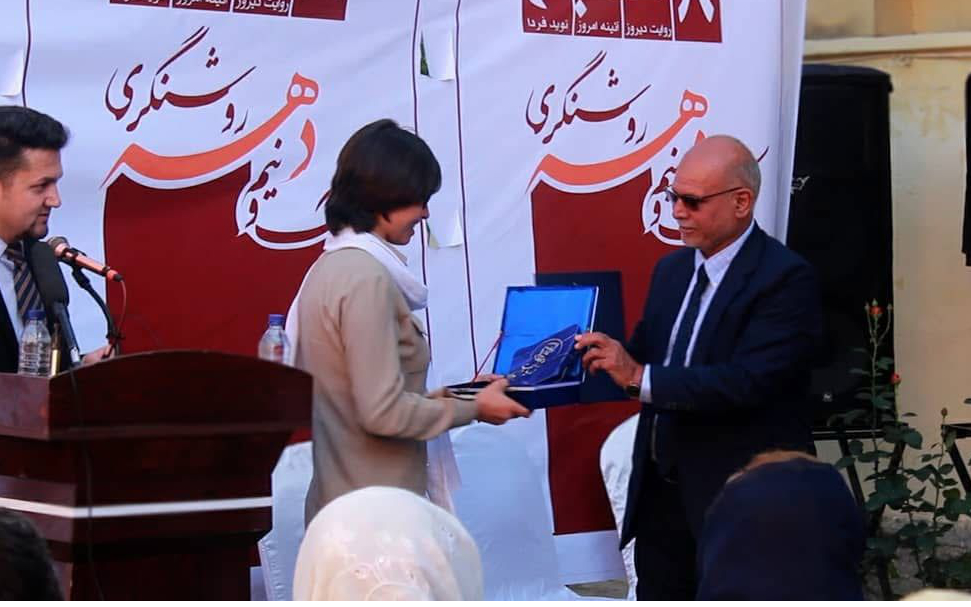
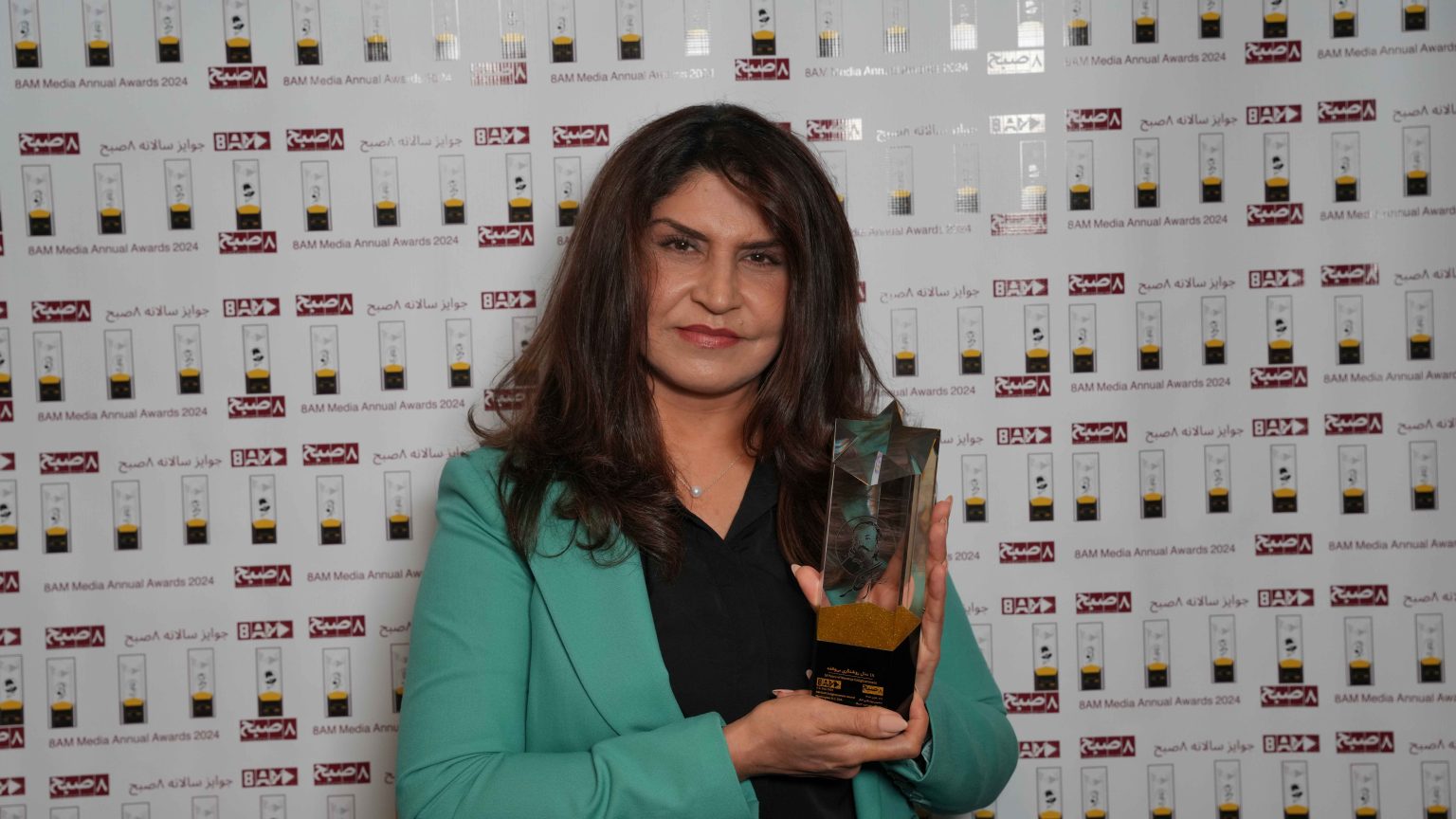
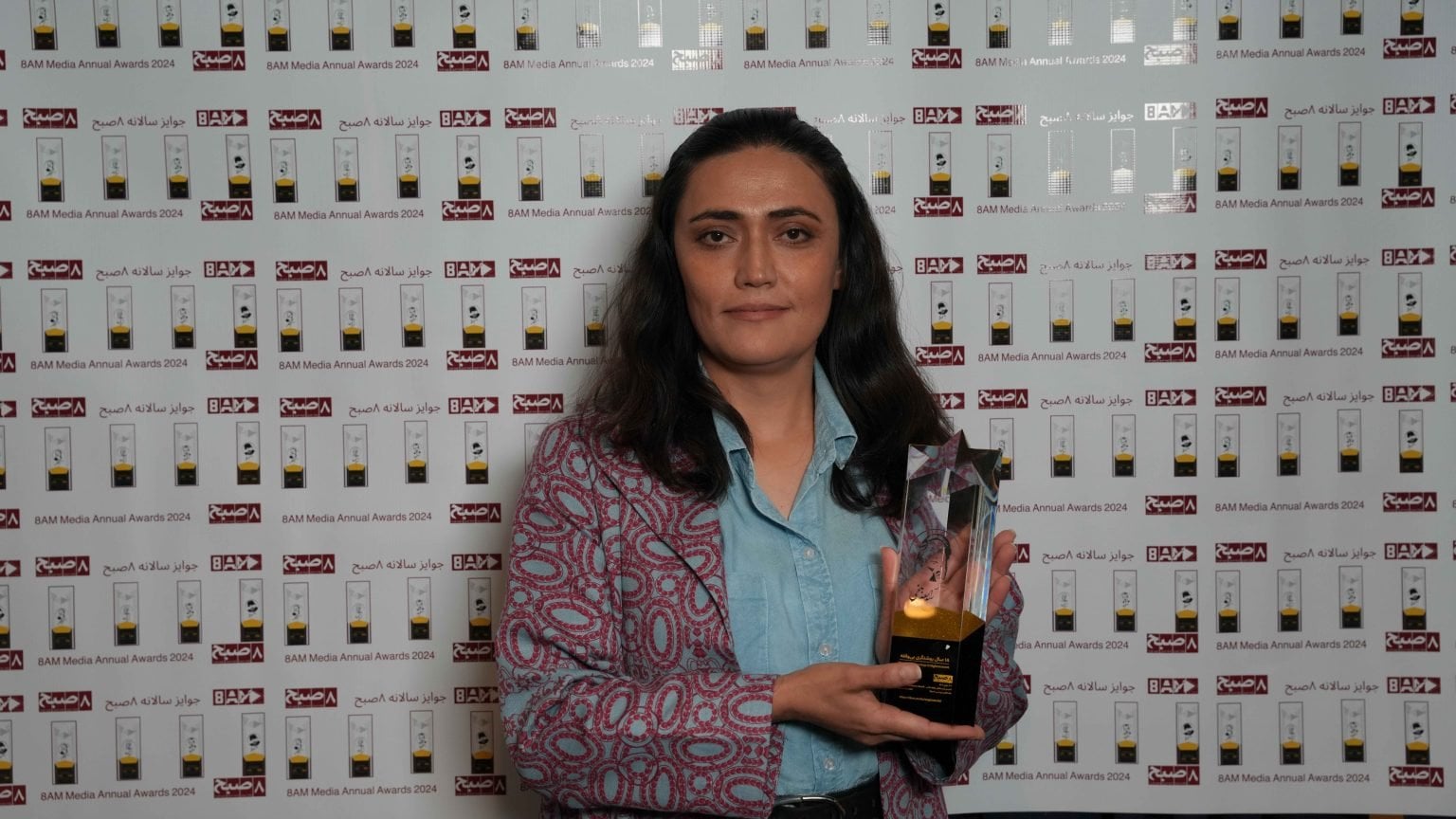
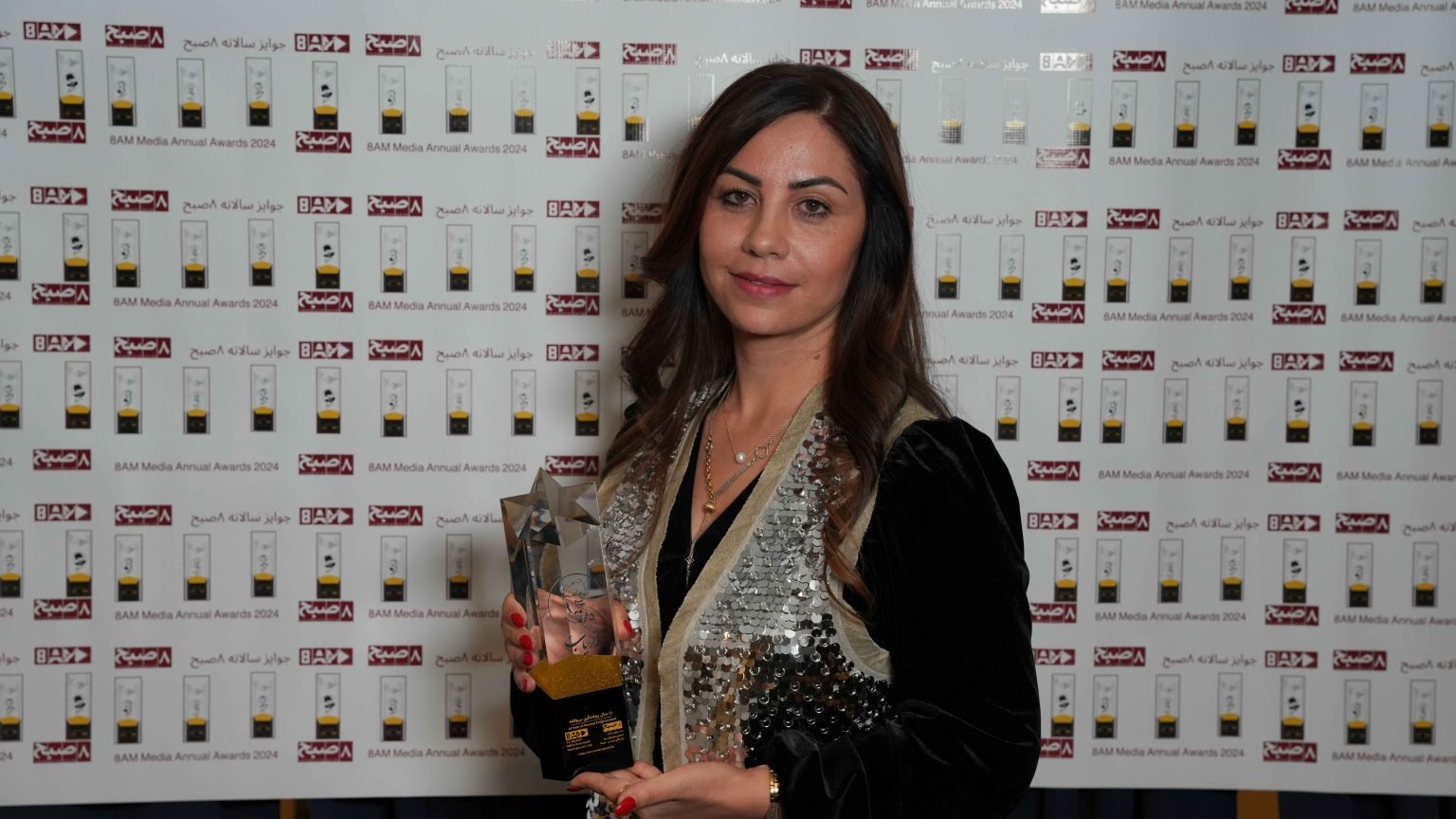
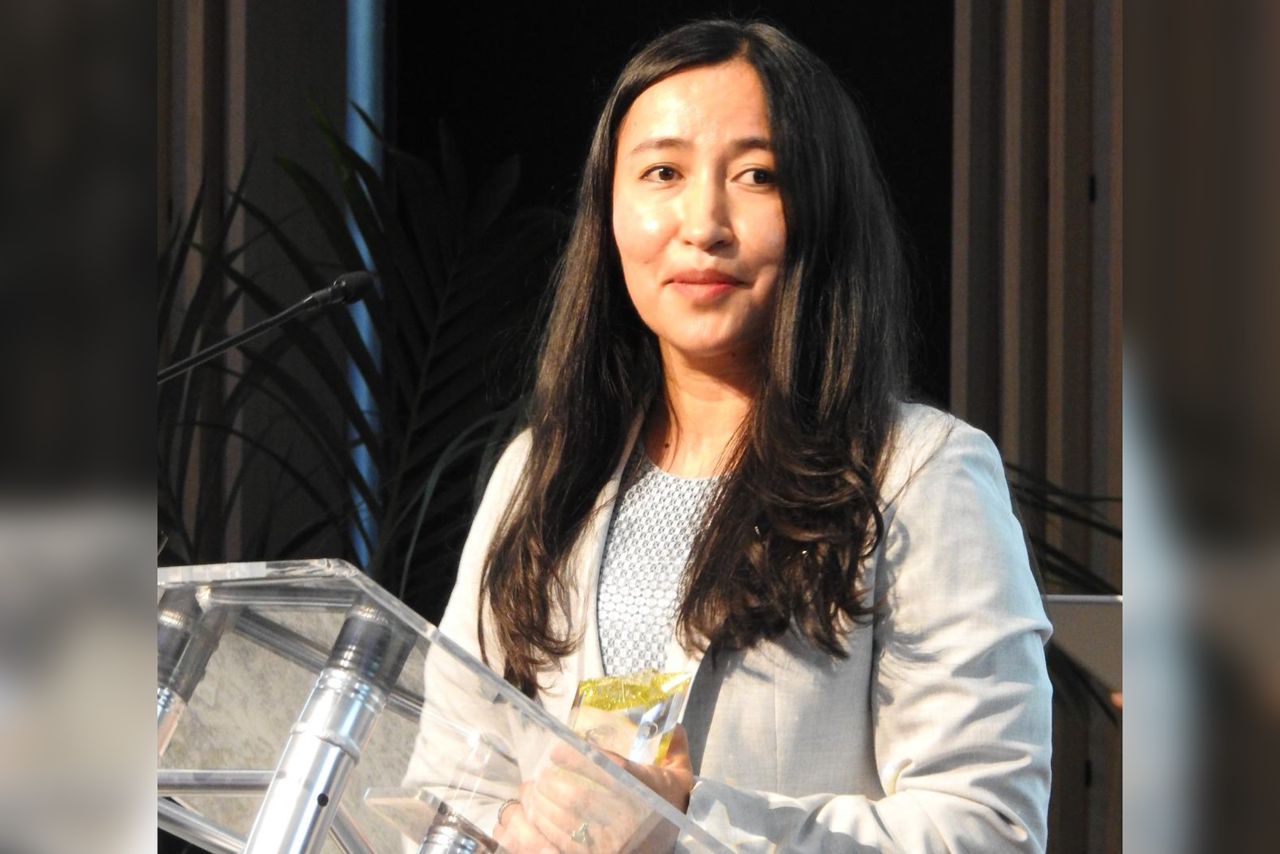
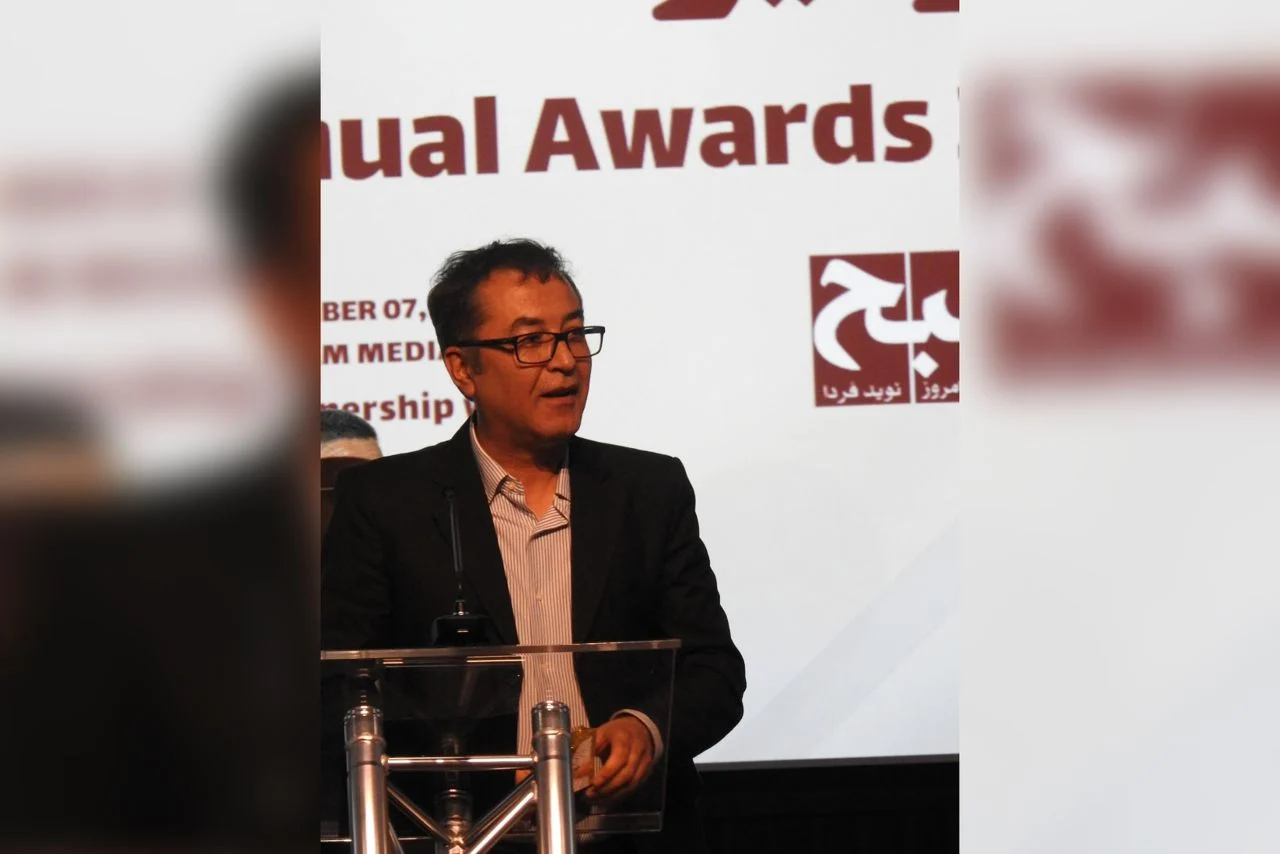
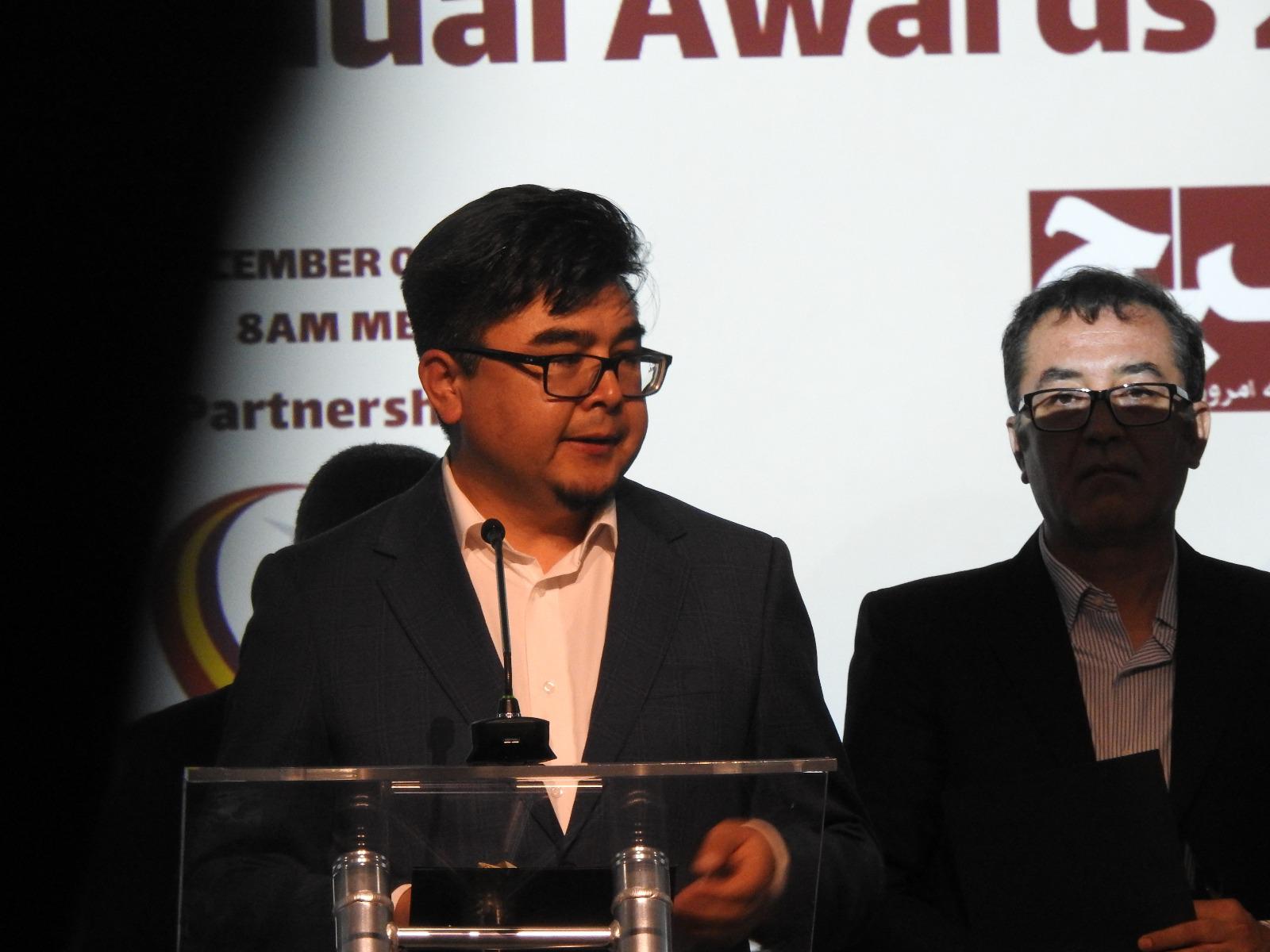
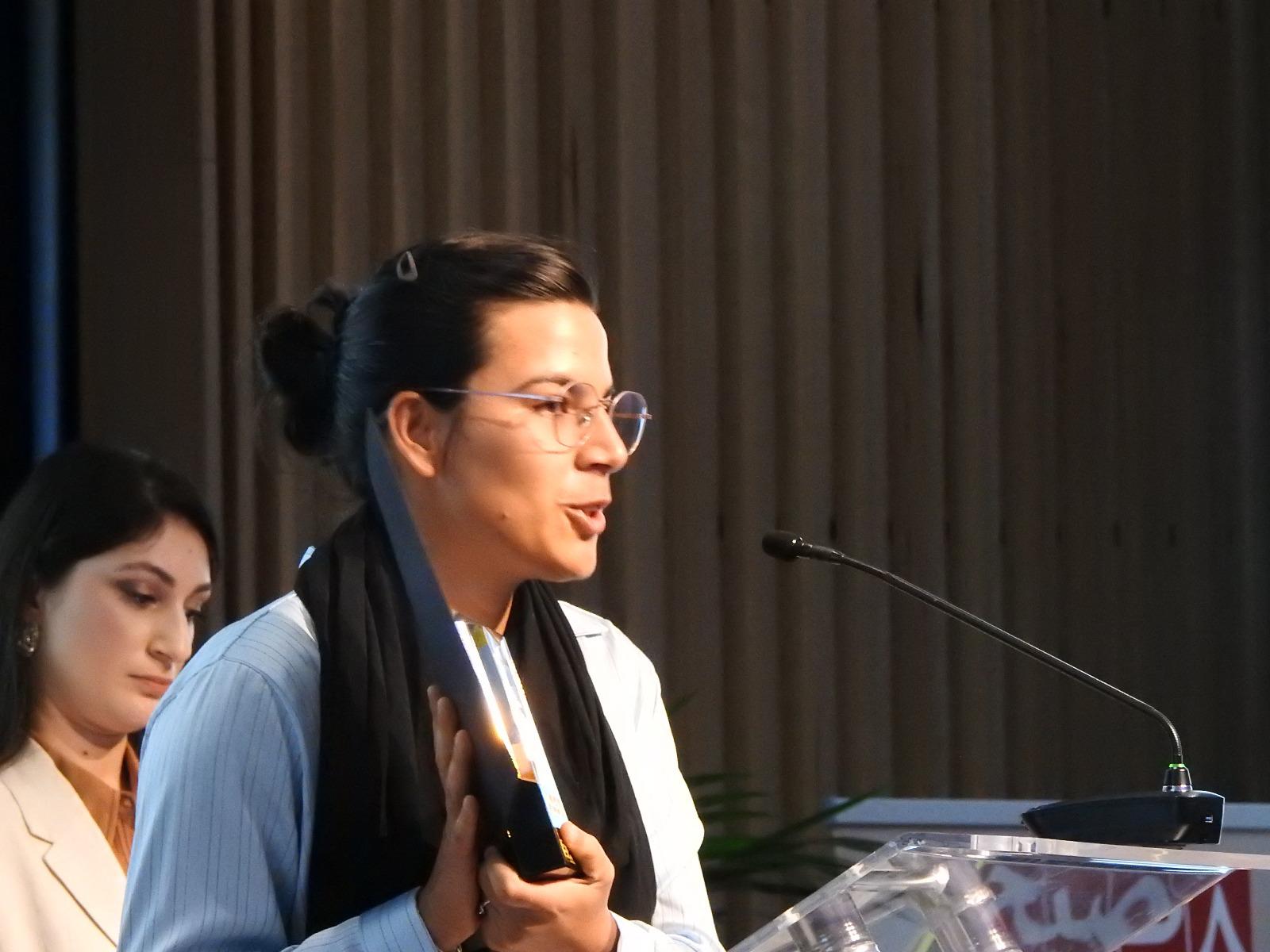
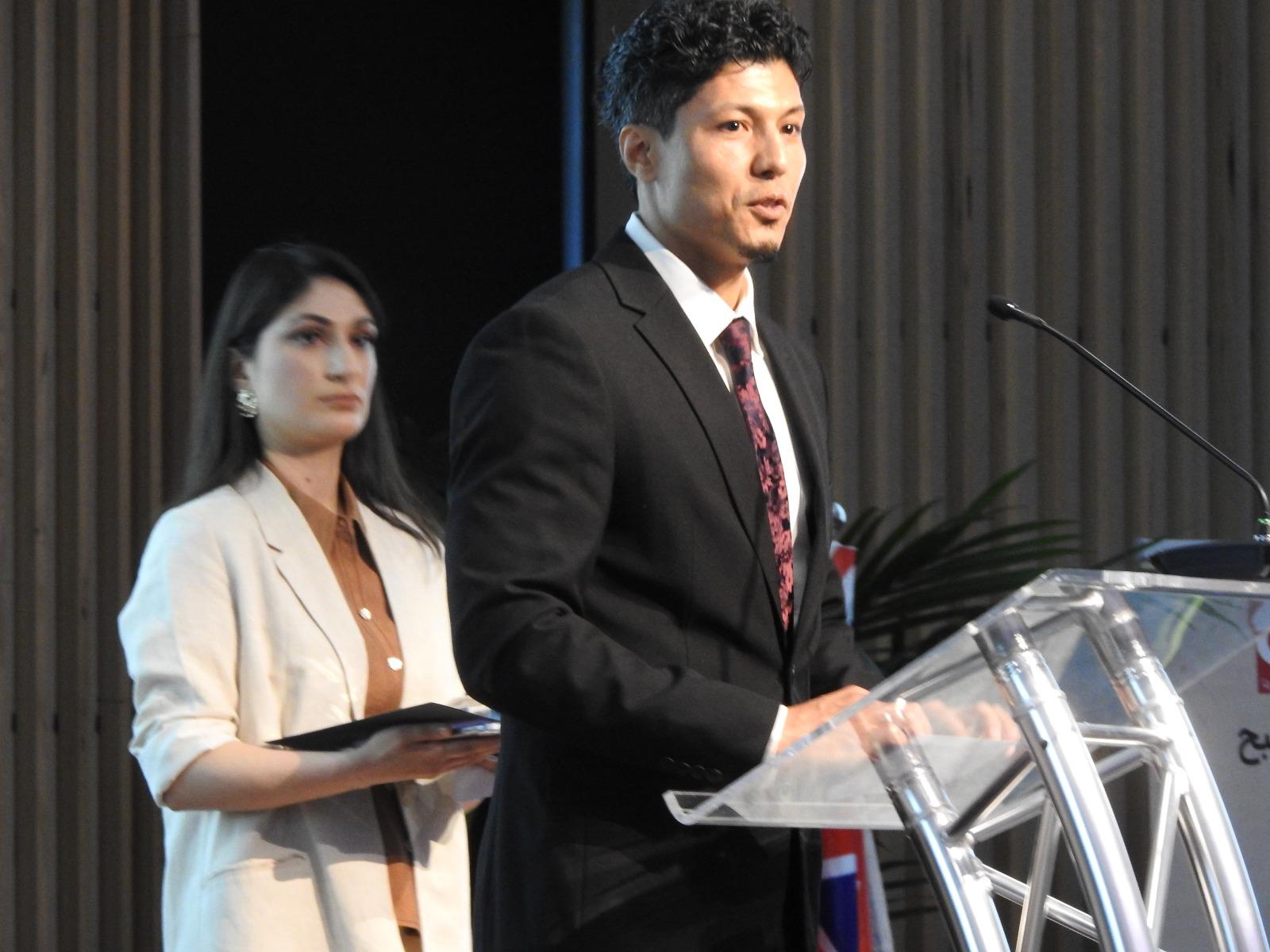
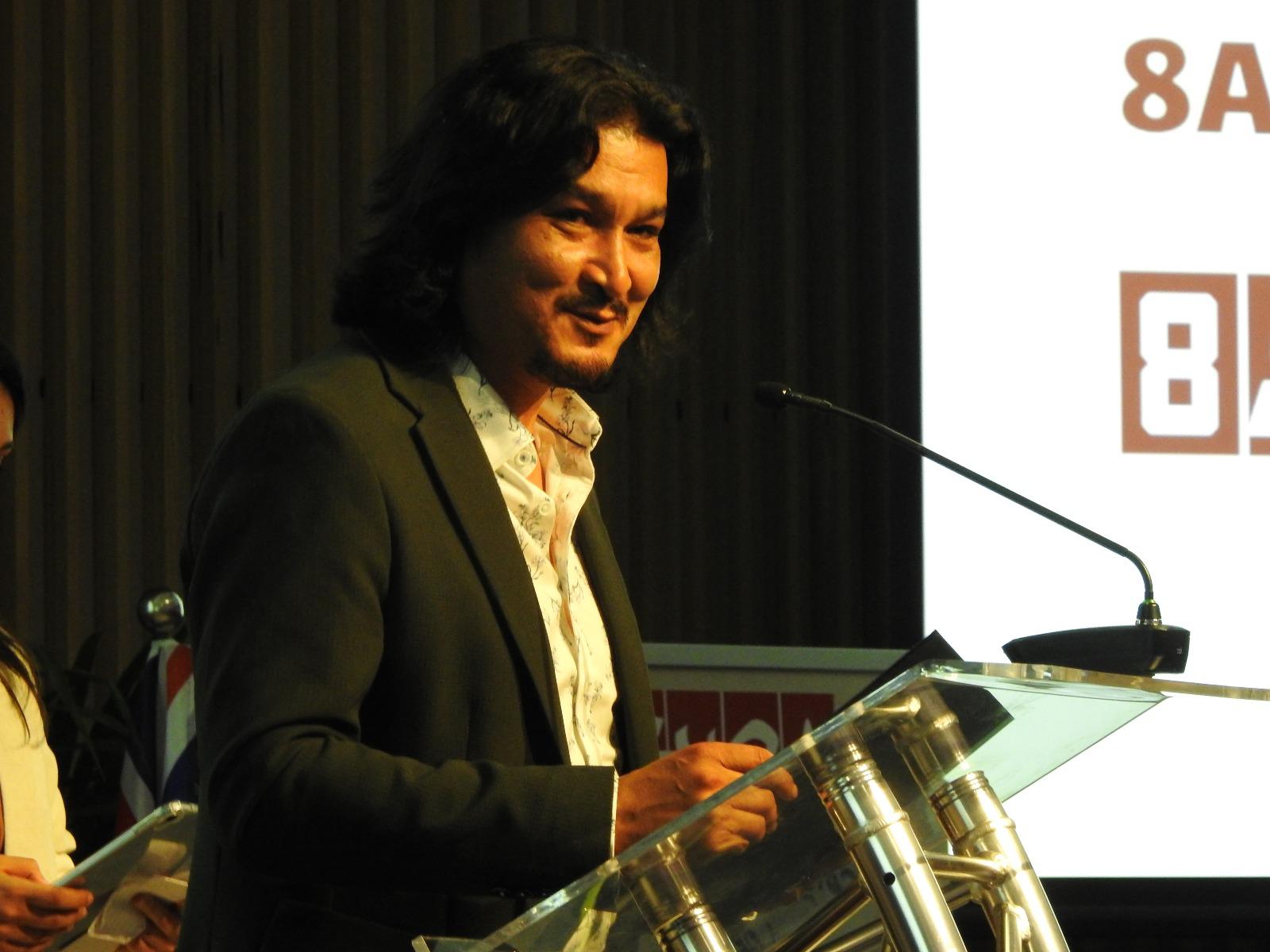
The Hasht-e Subh Daily presented its statuettes in the fields of culture, art, sports, diplomacy, and history. Each one stood for more than an award. Each served as a record of honor, a sign of belief in freedom, a promise to truth, and a symbol of steady work toward a brighter and more hopeful future.
During the event, the organizers also introduced the first round of the 8AM Award statuettes dedicated to leaders in enlightenment, history, art, and culture. The hosts reminded the audience that the Page of Tribute ceremony first opened in 2021 in Kabul. At that time, war cast a long shadow, and extremism stood close, yet hope still found a way to grow. A few months later, the walls fell, but the light born in the heart of the 8AM Media did not fade. That light continued to keep hope alive in people’s hearts, even in exile and displacement.
Guided by its deep commitment to freedom and enlightenment, the 8AM Media kept honoring the nation’s leading figures even after leaving its homeland. In 2024, it held the second edition of its annual awards in Washington. The pain of exile burdened their hearts, yet their eyes still carried hope. With the ceremony in Melbourne, they turned another page and once again lit the fire of pride and hope in many hearts.
Beginning of the Awards Presentation
The host opened this part of the program with a powerful message. He said that Afghanistan has always stood between pain and resilience, between collapse and new beginnings. He reminded everyone that each time the ground shook beneath their feet, brave people rose with thought, courage, and compassion to give new meaning to the land. In honor of this spirit of resilience, the ceremony recognized those who kept the flame of Afghanistan alive on the paths of freedom, thought, art, and humanity.
The Sima Samar Human Rights Statuette
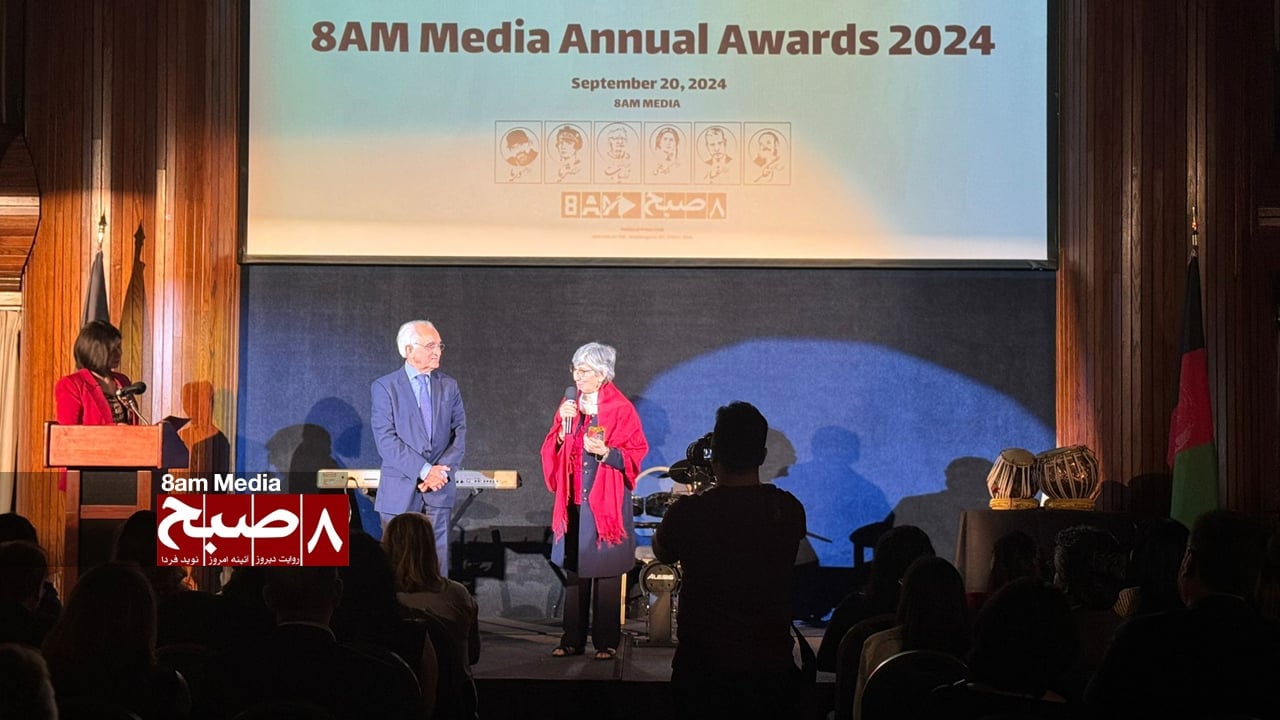
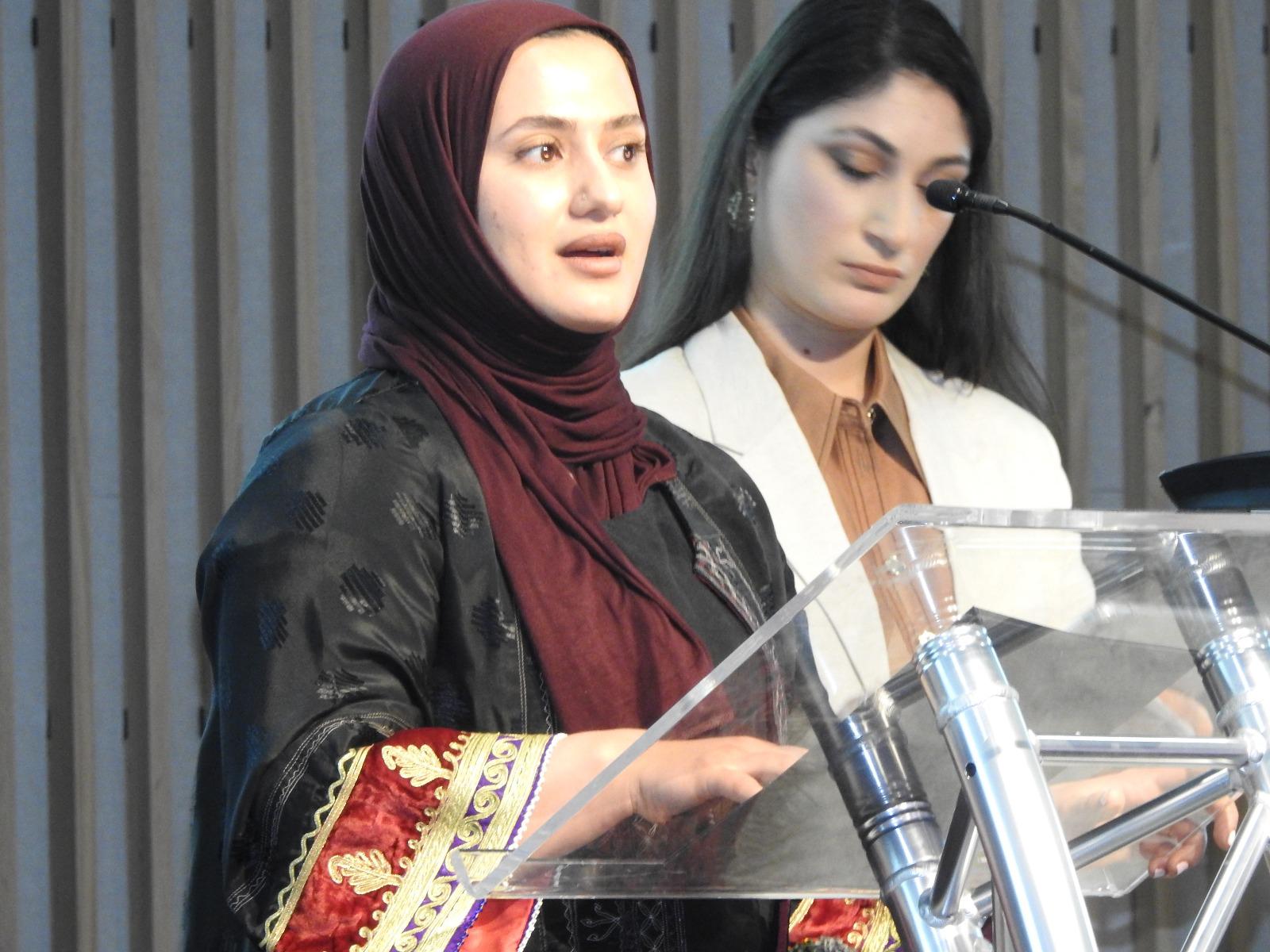
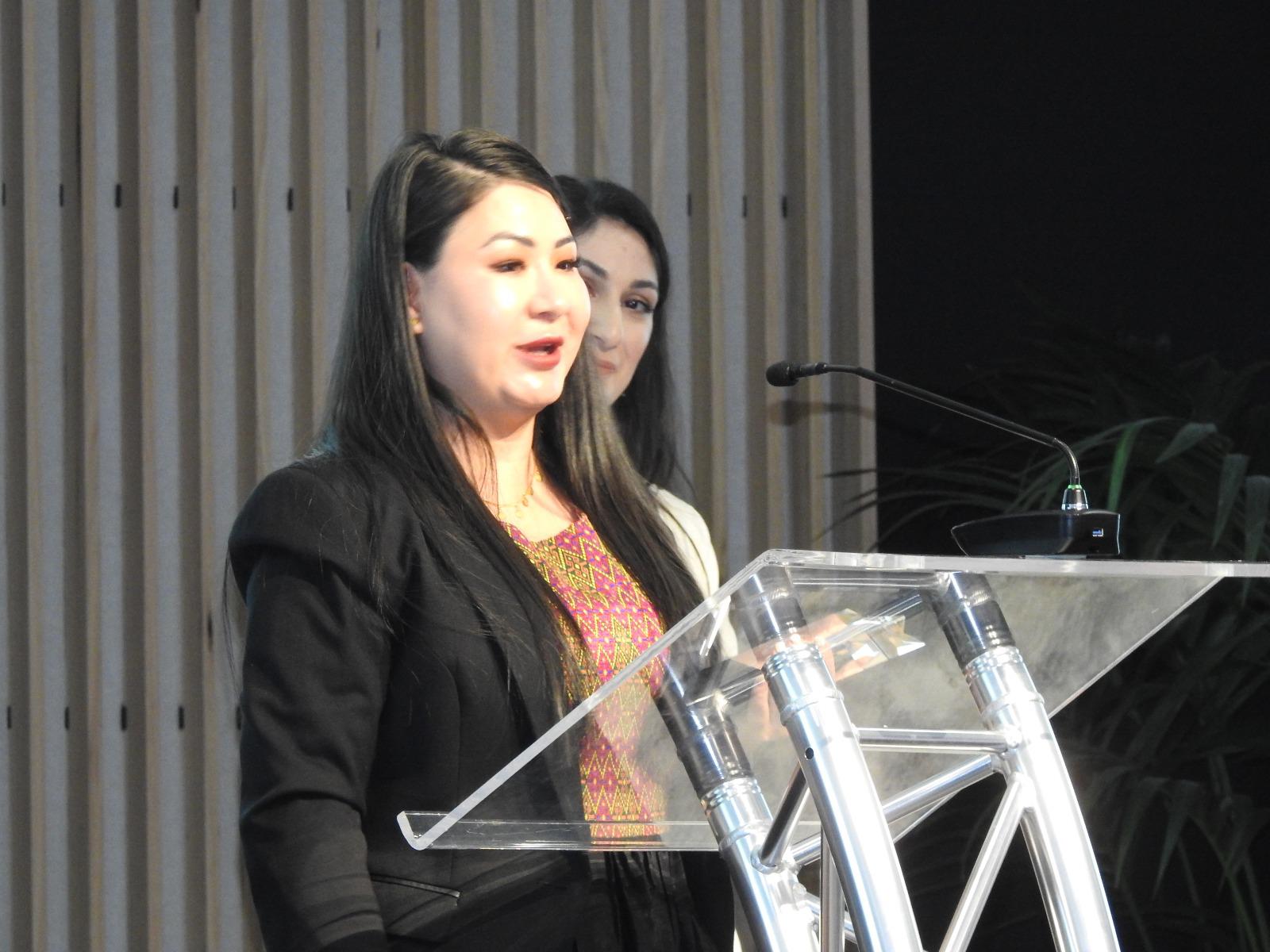
For the first time, the Hasht-e Subh Daily introduced the Sima Samar Human Rights Statuette at this ceremony. Sima Samar personally presented the award to Richard Bennett, the United Nations Special Rapporteur on human rights in Afghanistan, and to Azadah Raz Mohammad, a human rights activist. The statuette honored Dr. Samar’s lifelong struggle for justice. In the hardest years of Afghanistan, she stood firm against silence and oppression. She defended human dignity, kept the light of knowledge burning, and brought comfort to the wounded hearts of the people.
Richard Bennett, the United Nations Special Rapporteur on the situation of human rights in Afghanistan, could not attend the ceremony because of work responsibilities. He is expected to receive his award on the fifteenth of the current month in Mexico City, during a gathering with journalists and human rights activists from Afghanistan.
The Rahnaward Zaryab Literary Statuette
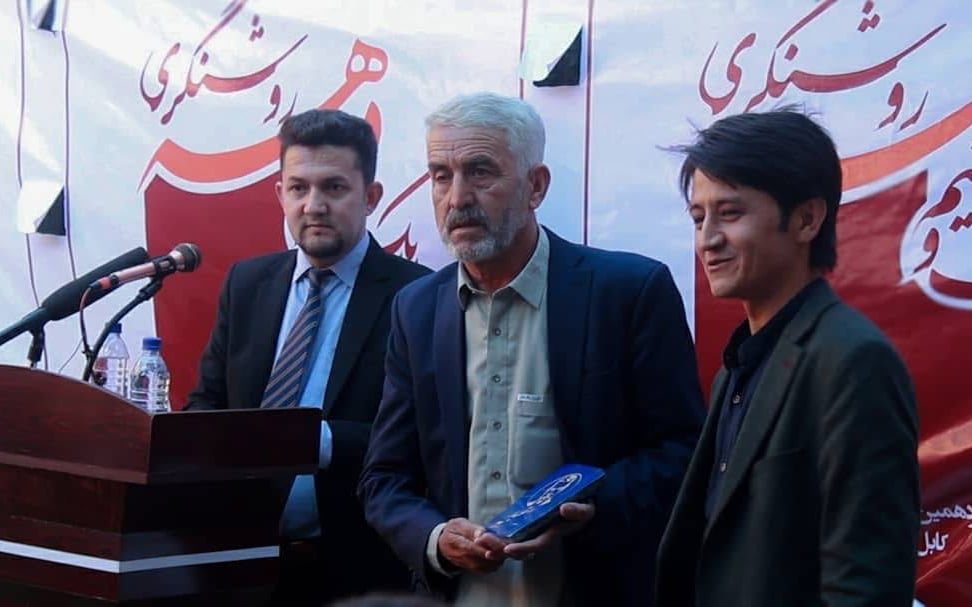
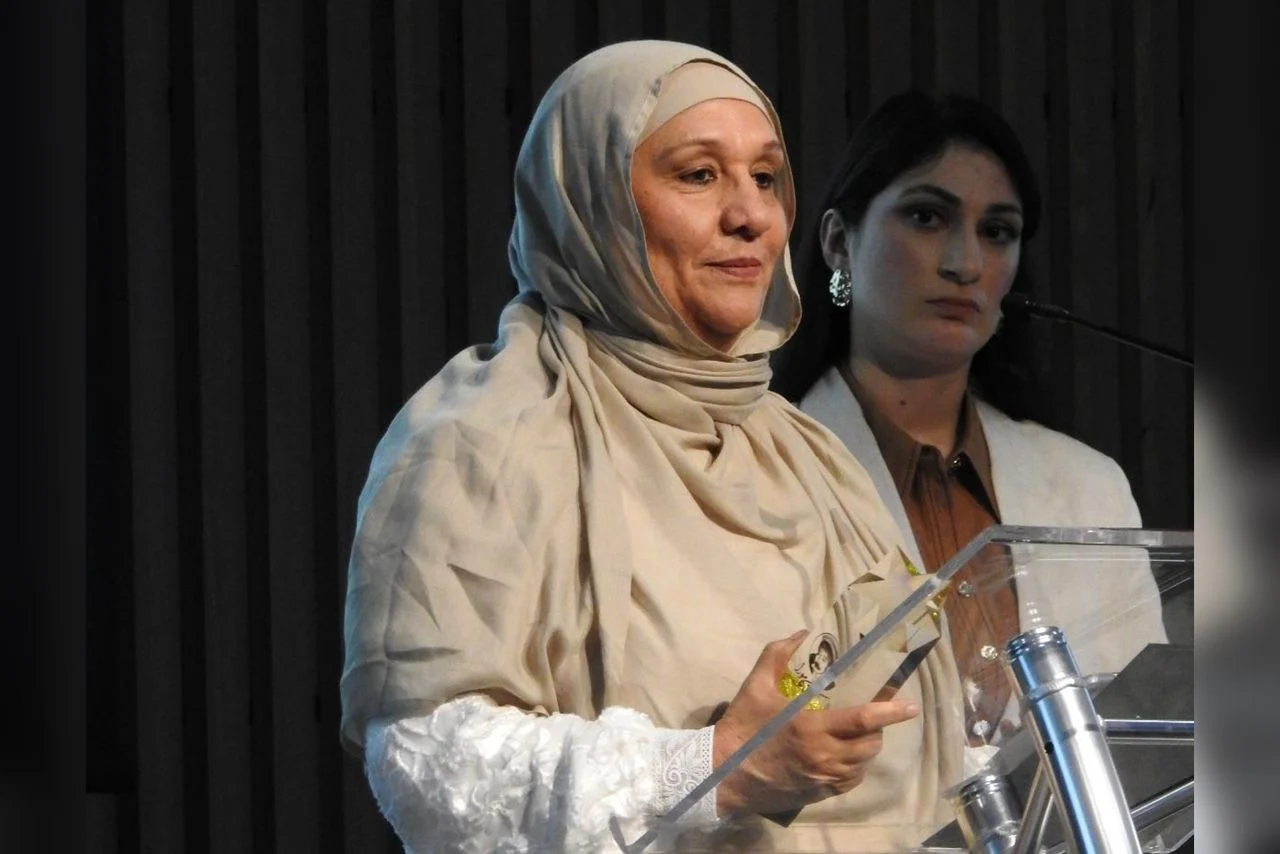
The organizers created this statuette in memory of a writer who opened new paths of thought and language with his pen. They also dedicated it to all those who still write to show that even among ruins, the words of life can grow. At the ceremony, Farid Bizhan, a close friend of Zaryab, presented the Zaryab statuette to Bazarshah. Since Bazarshah could not attend, his wife, Saba Afrasiabi, stepped forward and received the statuette on his behalf.
The Queen Soraya Innovation Statuette
Queen Soraya stood among the first women who dared to challenge rigid traditions. She opened the doors of education, equality, and awareness for women. She believed that knowledge forms half of freedom, and she defended that freedom without fear. The Queen Soraya statuette went to Farkhondeh Akbari and Professor Jackie True, two researchers who worked for women and refused to let the voice of the women of Afghanistan fall silent. Professor True could not attend the ceremony because of an urgent commitment.
The Musa Shafiq Diplomacy Statuette
The organizers created this statuette to honor the art of dialogue, deep understanding, and the defense of the interests of Afghanistan that the name of Shafiq represents. It remembers a figure who stood for wisdom and balance and who, during a turbulent time, tried to be a voice of peace and reason.
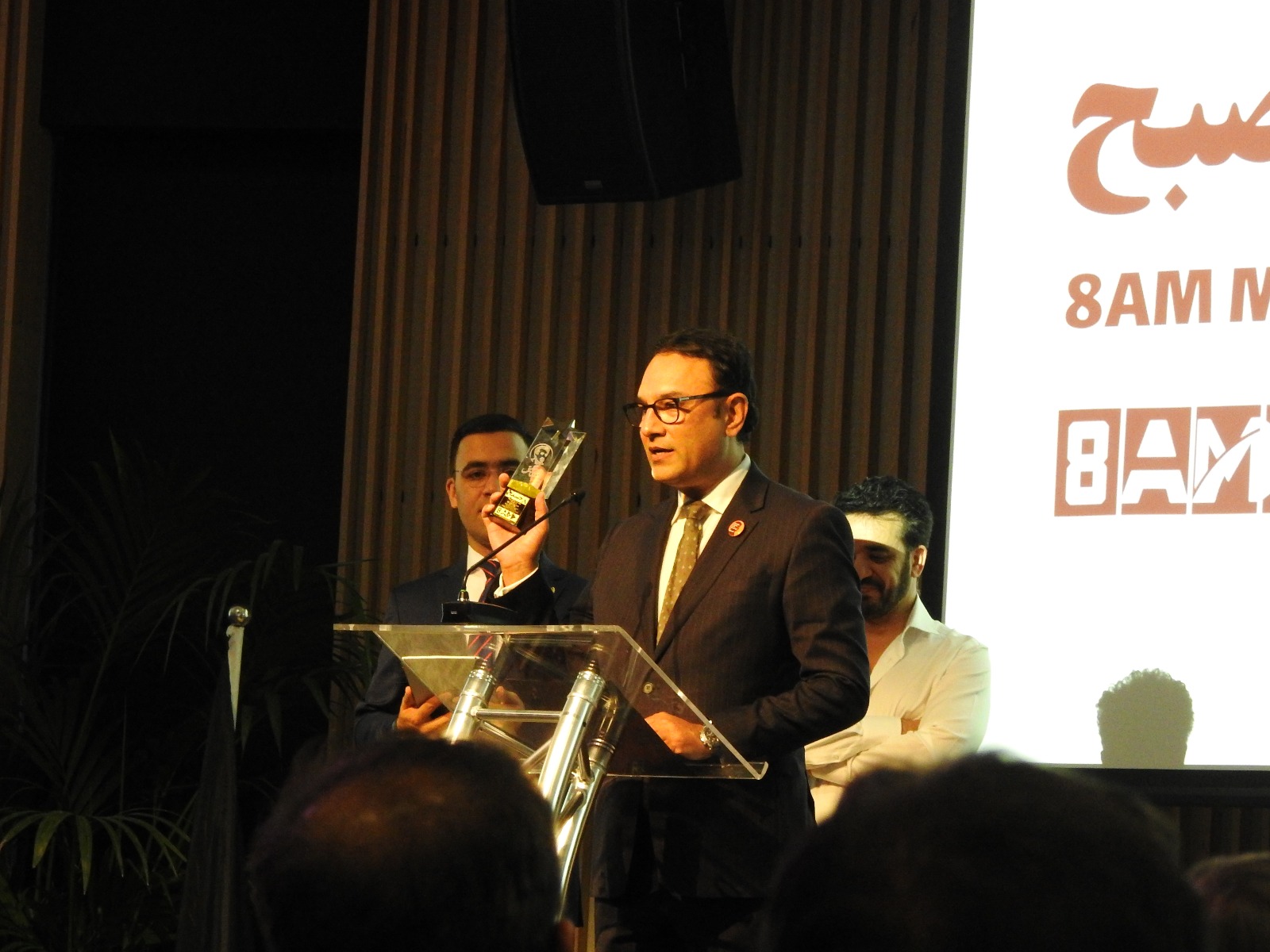
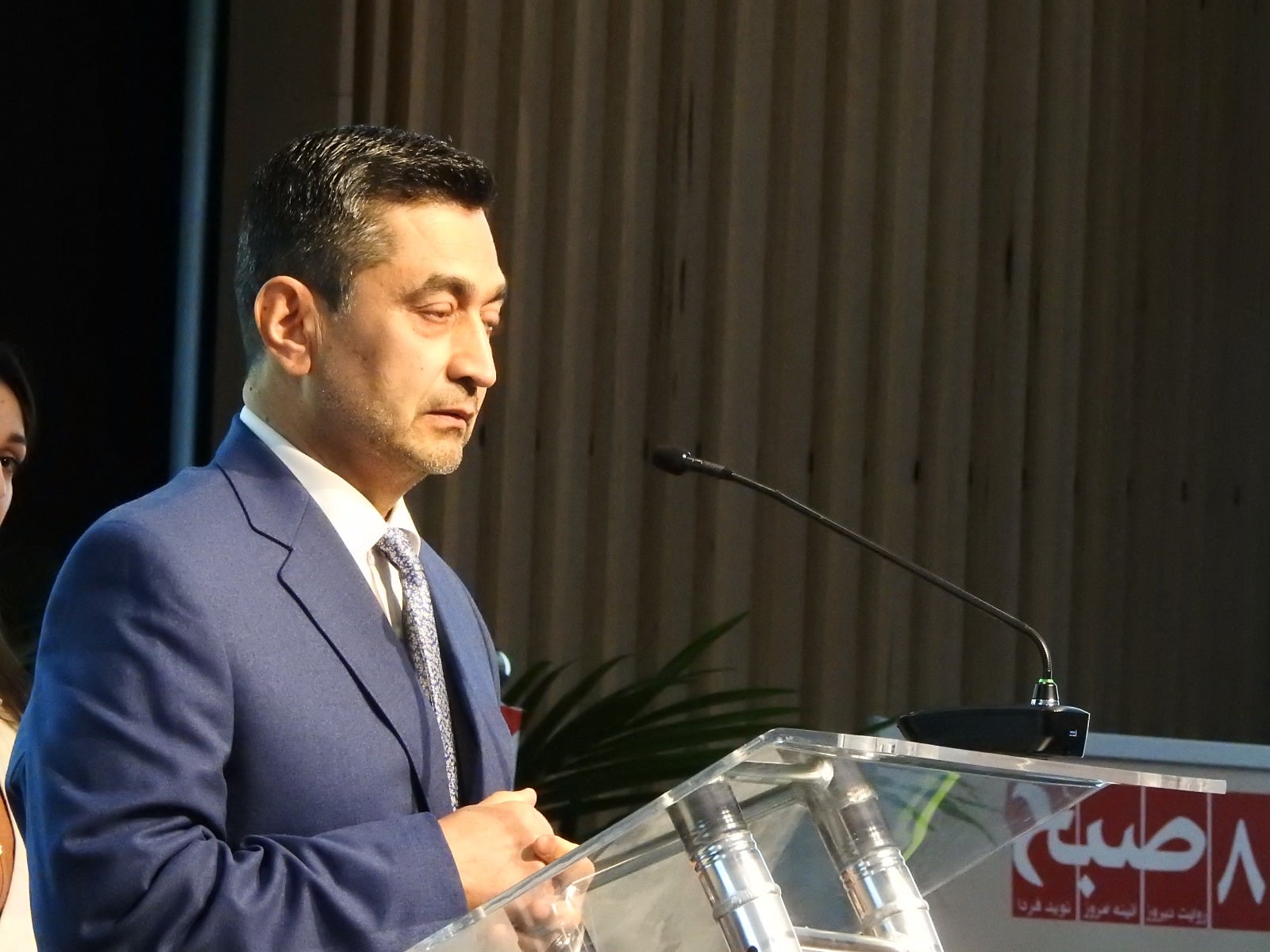
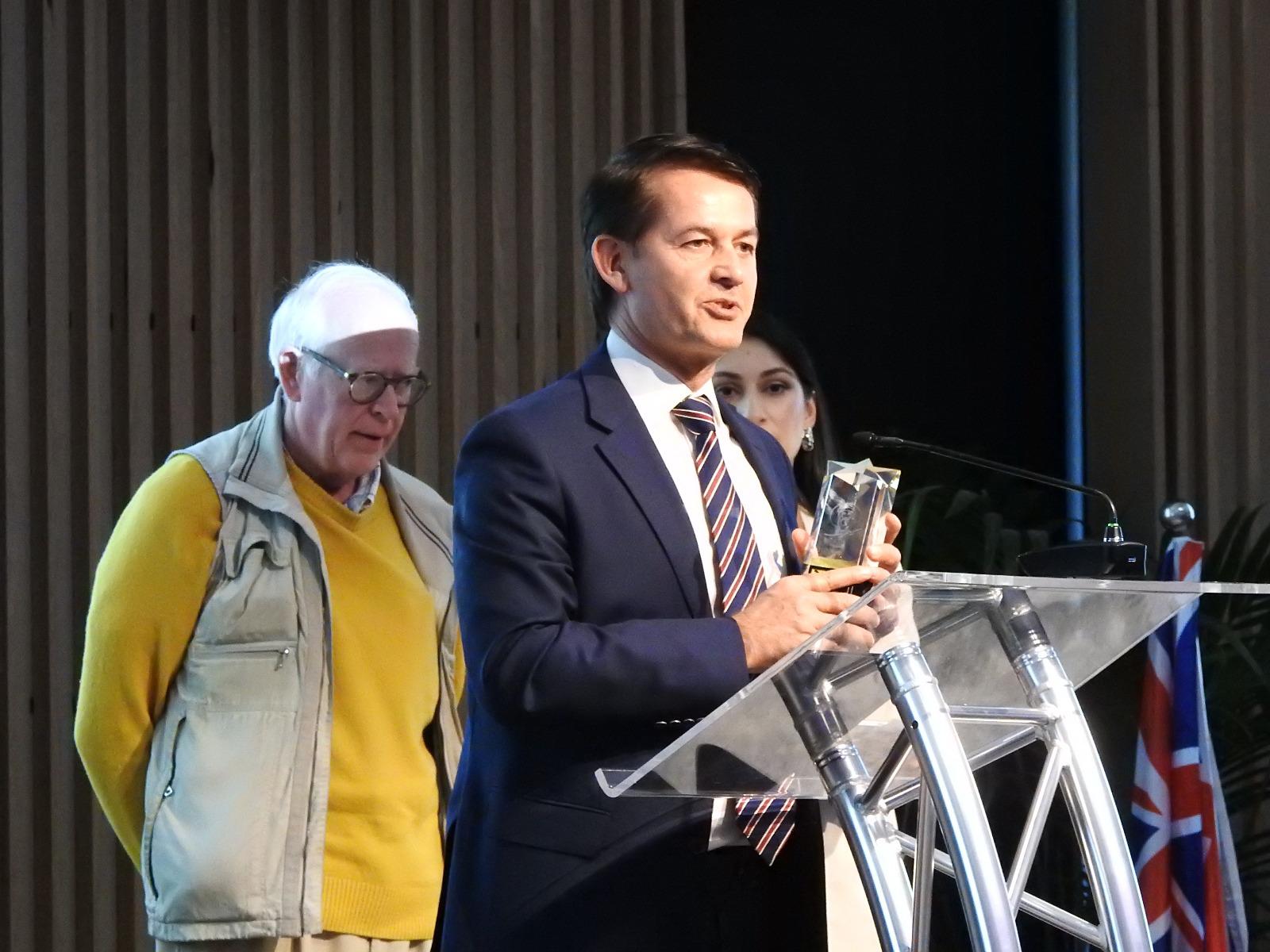
The ceremony awarded this statuette to Wahidullah Waissi, the Ambassador of Afghanistan to Australia. He ensured that the voice of the people did not fall silent and continues to represent the People of Afghanistan with care and strength in diplomacy. Tahera Shafiq Rabbani, the daughter of Musa Shafiq, was expected to attend but could not come because of illness. For this reason, his granddaughter, Tajalla Sadat, presented the statuette to Mr. Waissi.
The Bakhtari Poetry Statuette
This statuette carries the name of a poet who turned words into a shelter for conscience. His poetry gave voice to exile, endurance, and the hidden wounds of the People of Afghanistan in modern times. Basir Qadiri, head of the Bakhtar Social Institution, presented this statuette to Nader Ahmadi to show that poetry can still offer a home for truth and hope, even in the farthest places of exile.
The Katib Research Statuette
Research stands as the clearest and strongest form of resistance in the heart of darkness because it lights the path toward the future. The Katib Research Statuette honors those who use thought and writing to open new ways of understanding Afghanistan. Professor William Maley, a friend of Afghanistan who has made great efforts for the country, presented the Katib Research Statuette to Dr. Nemat Bizhan.
The Akhgar Enlightenment Statuette
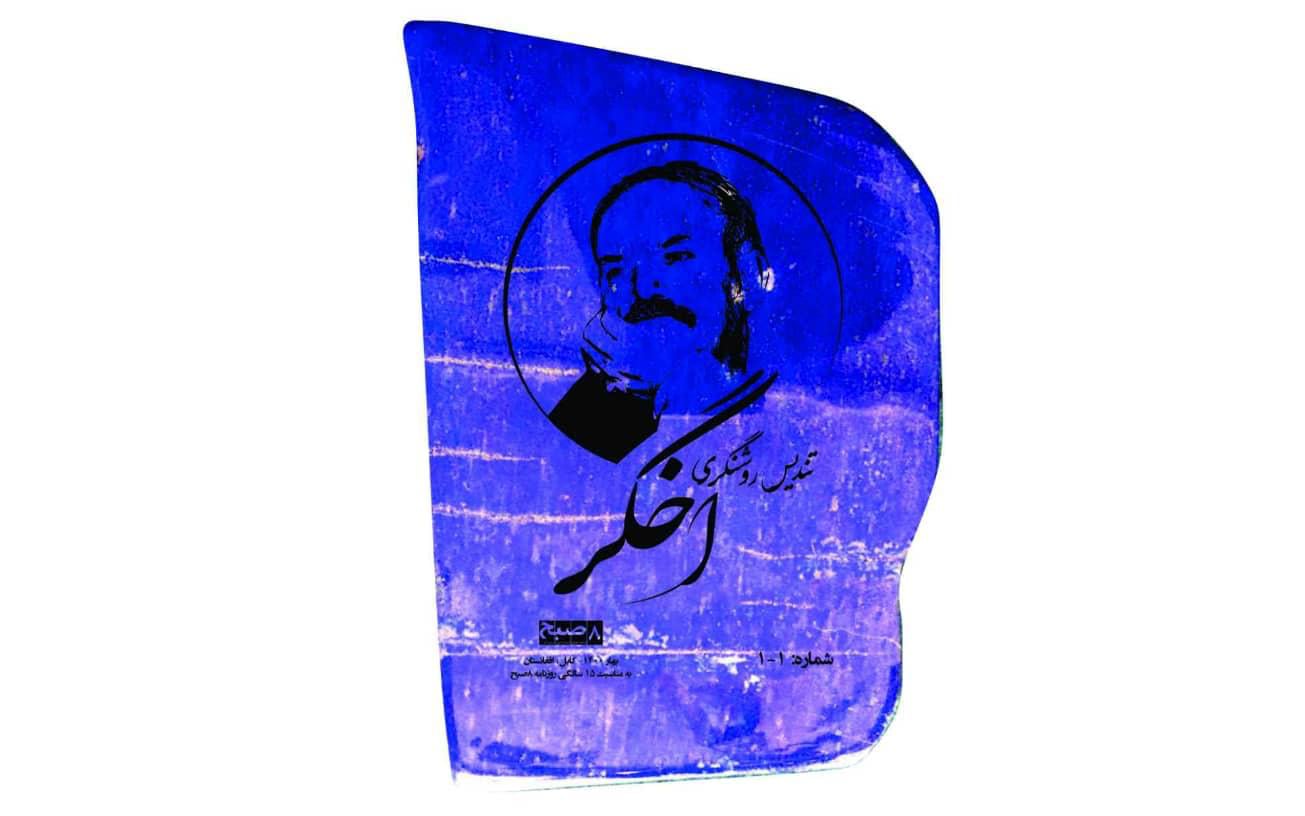
The Akhgar Enlightenment Statuette stands as one of the most sensitive, profound, and spiritual annual honors of the Hasht-e Subh Daily. This memorial carries the legacy of a man whose pen reflected the pain of the people and whose thoughts lit the way for an entire generation. He served as the first editor-in-chief of the Hasht-e Subh Daily.
He was not only an intellectual figure but also a source of inspiration for a new generation of thinkers. That generation continues to walk in the light of his ideas and integrity and keeps the flame of awareness alive. Dr. Ahmad Sarmast, musician and president of the Afghanistan National Institute of Music, presented the Akhgar Enlightenment Statuette to Abbas Farasoo and Niamatullah Ebrahimi, two dedicated researchers.
The Ghobar History Statuette
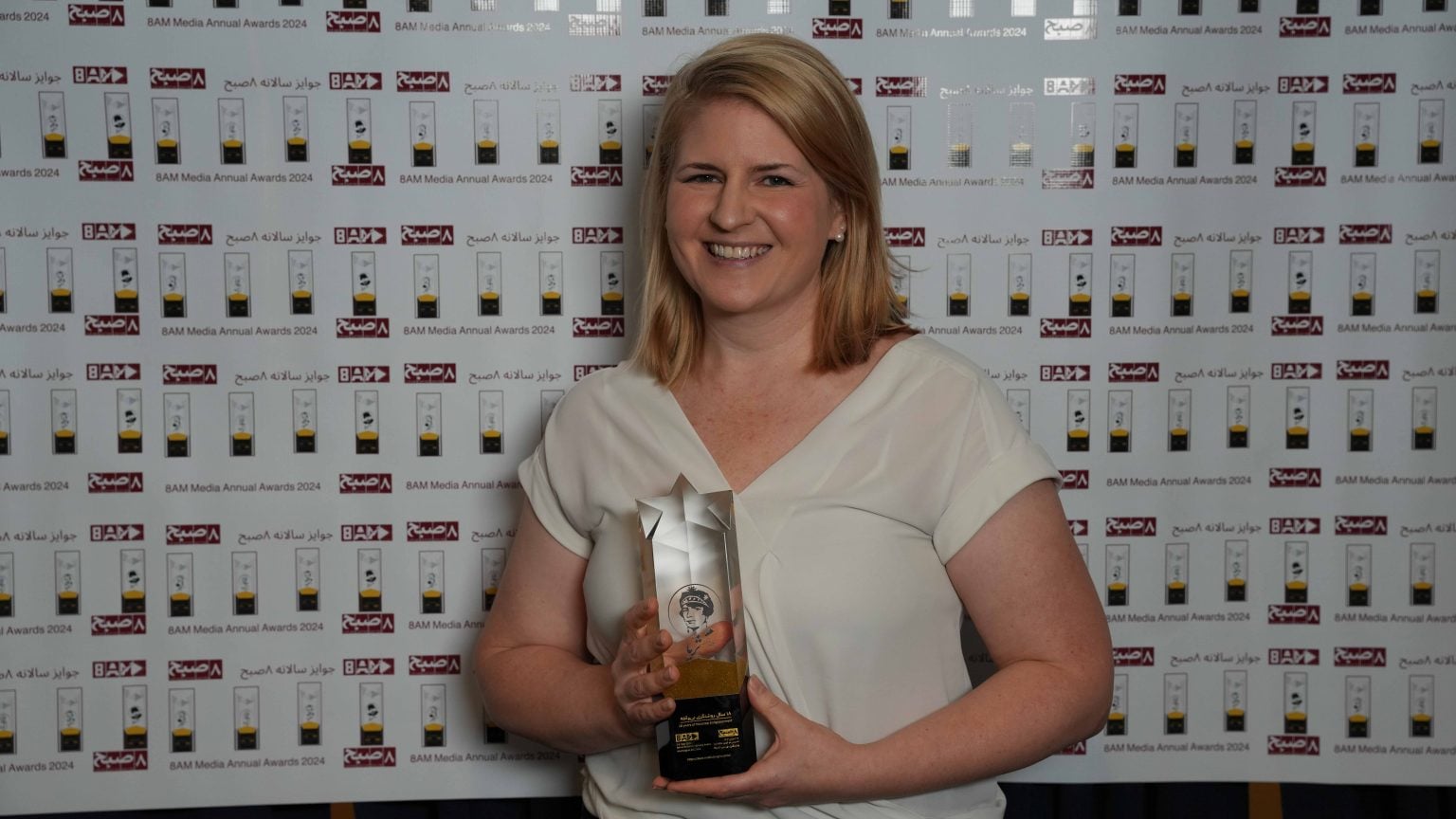
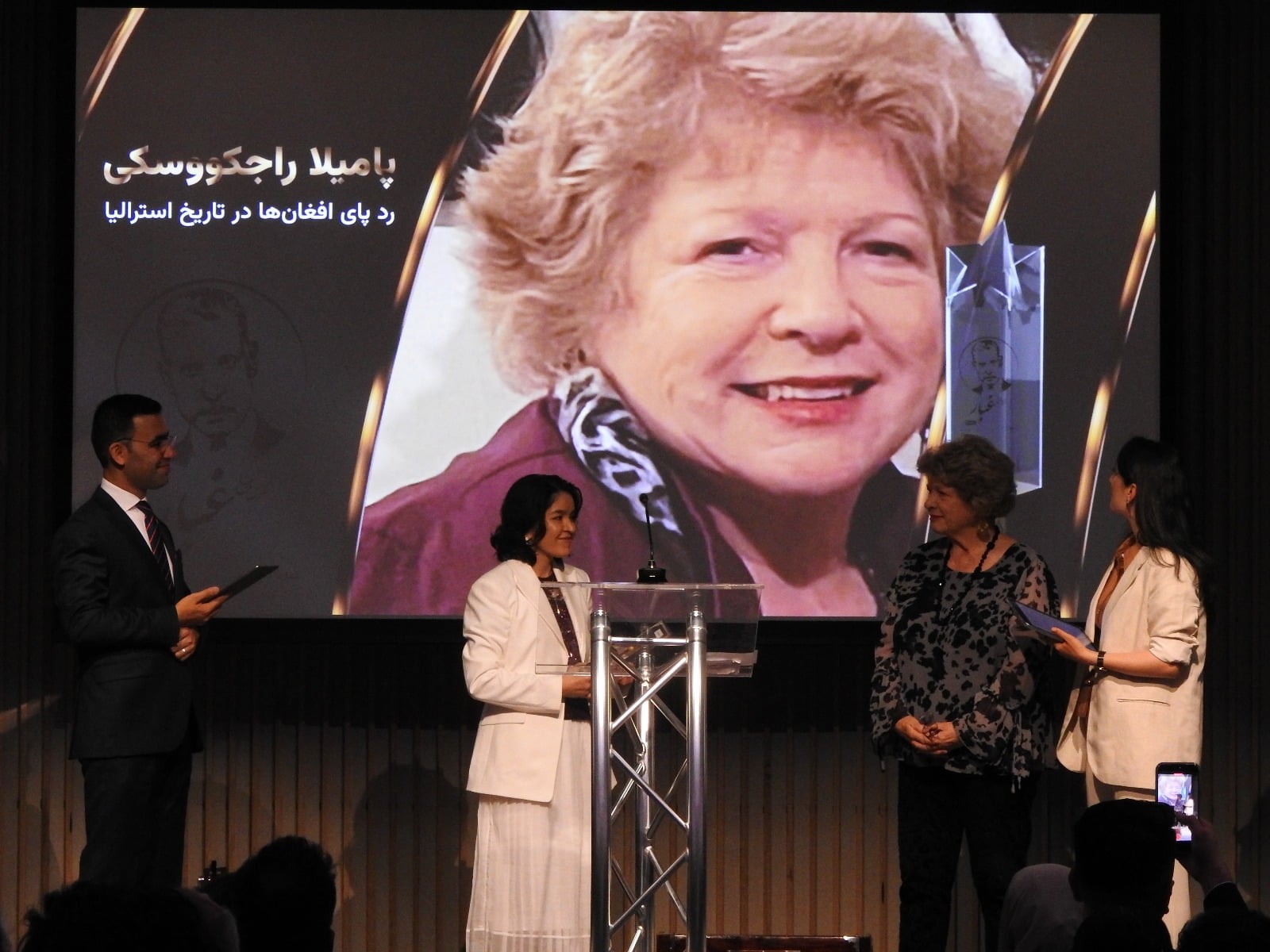
This statuette honors a name that protects our collective memory. Through his book Afghanistan in the Course of History, he became one of the strongest voices of awakening in the past century. Sakina Amani, a former reporter of the Hasht-e Subh Daily, presented this statuette to Pamela Rajkowski as a sign of the gratitude of the People of Afghanistan for her valuable research. Dr. Rajkowski is one of Australia’s leading historians, and her academic work has focused on the Afghan cameleers in the country.
The Rabia Balkhi Resilience Statuette
This statuette draws inspiration from a poet who centuries ago rose against silence, cried out for love, and stood firm against domination. It is awarded in the name of someone who lifts a voice from the heart of darkness, speaks from within suffering, and turns that pain into hope through storytelling.
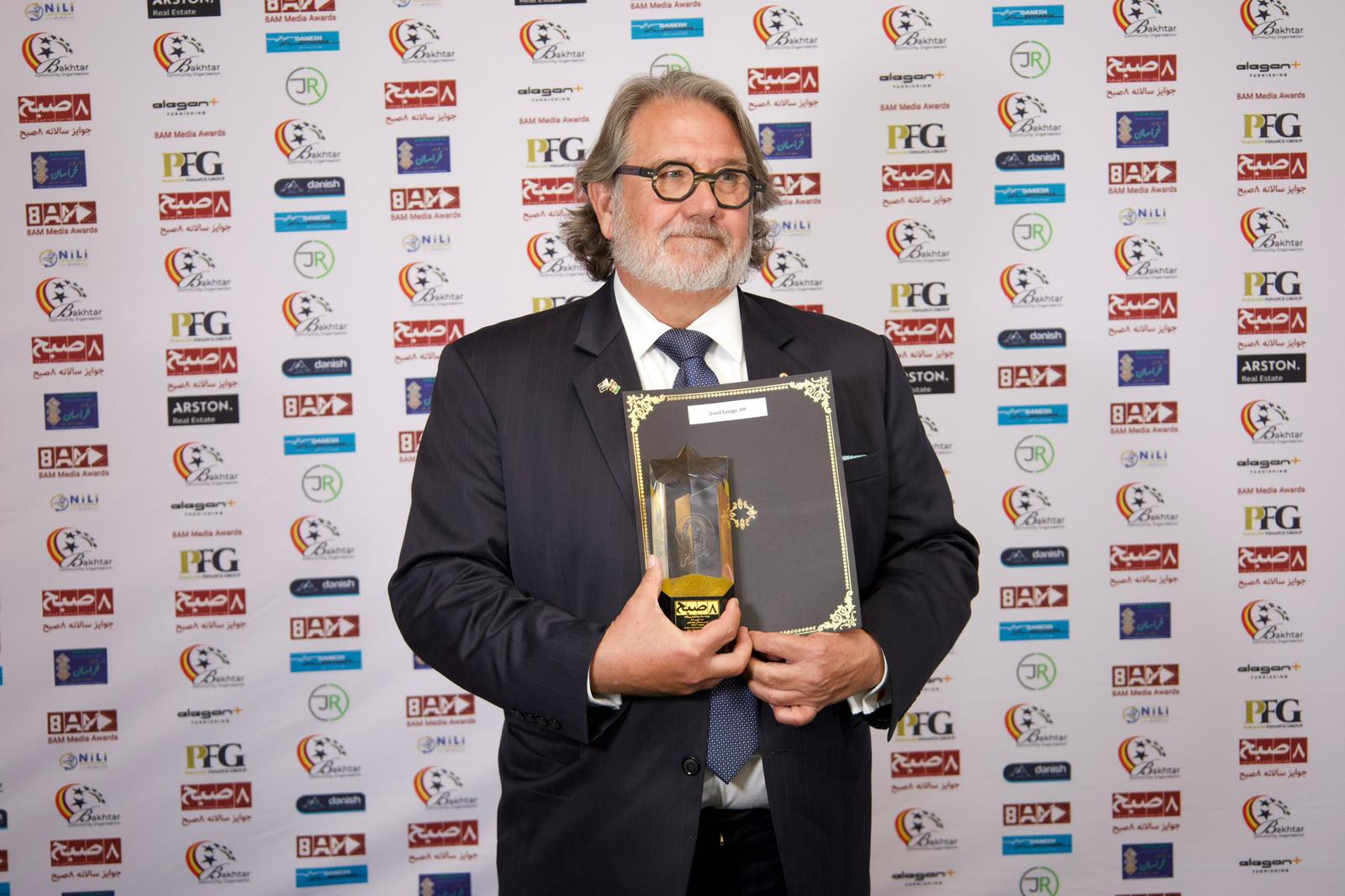
Dr. Arif Saba presented this statuette to Fahim Hashemi, a filmmaker and director of the Gahan International Film Festival, and to David Savage, a war veteran and an advocate for the rights of the People of Afghanistan. The award honored their tireless efforts to keep the stories of Afghanistan alive.
The Nakamura Humanitarian Service Statuette
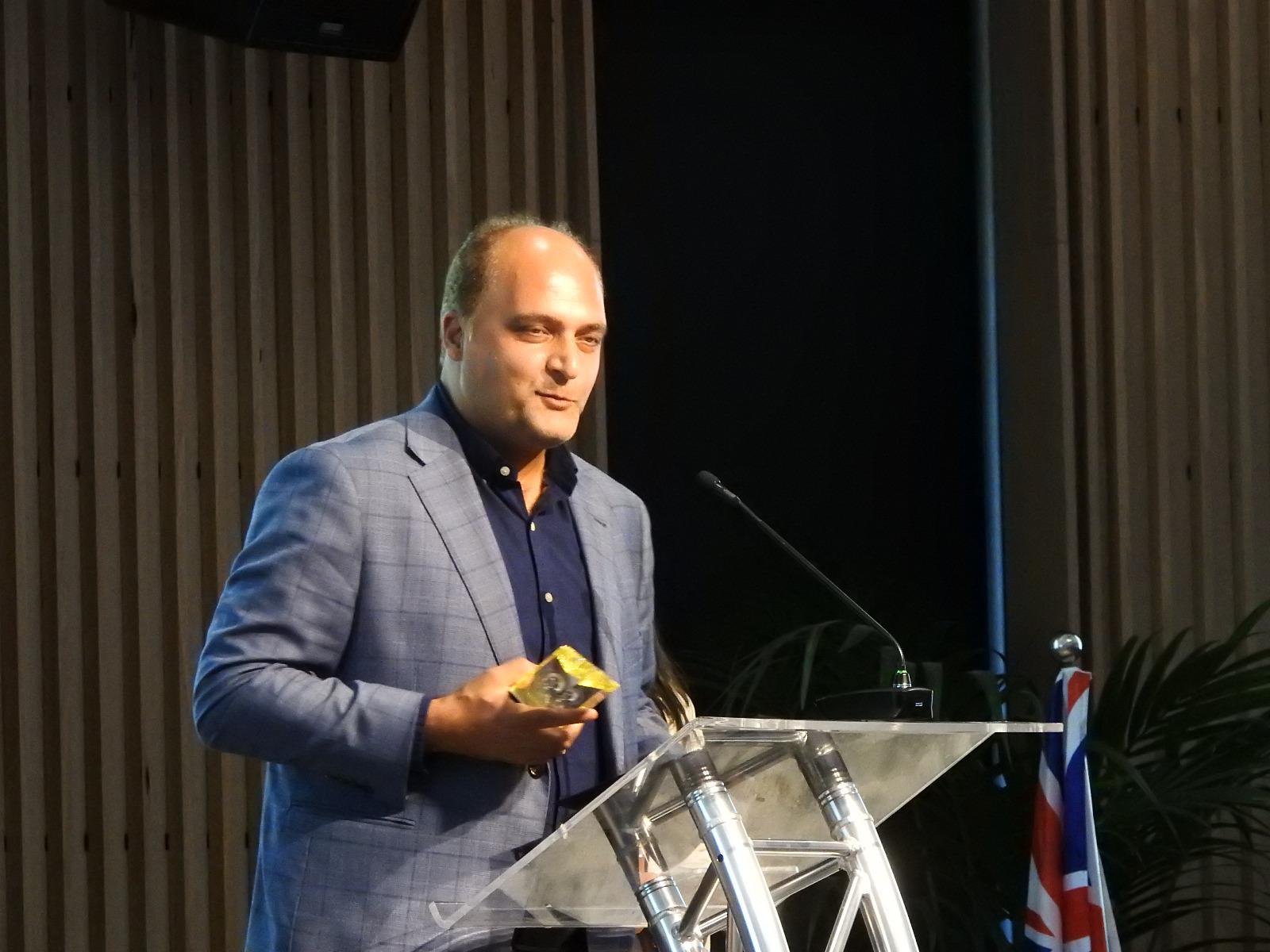
This statuette, awarded in recognition of the efforts of Mahbouba Rawi, stands among the most humane and deeply moving of all the statuettes. It is not only a memorial but also a guiding light for service, humility, and humanity. It reminds us of a man whose selfless work took deep root in the soil of this land. He gave life through water, built hope through love, and achieved immortality through his humanity. He proved that service is the greatest form of friendship with a nation. Haji Danish, a supporter of many initiatives and activities in Australia, presented this statuette to Mahbouba Rawi. For years, she has kept the light of life burning in the homes of the most vulnerable with her kind and tireless hands.
The Behzad Art Statuette
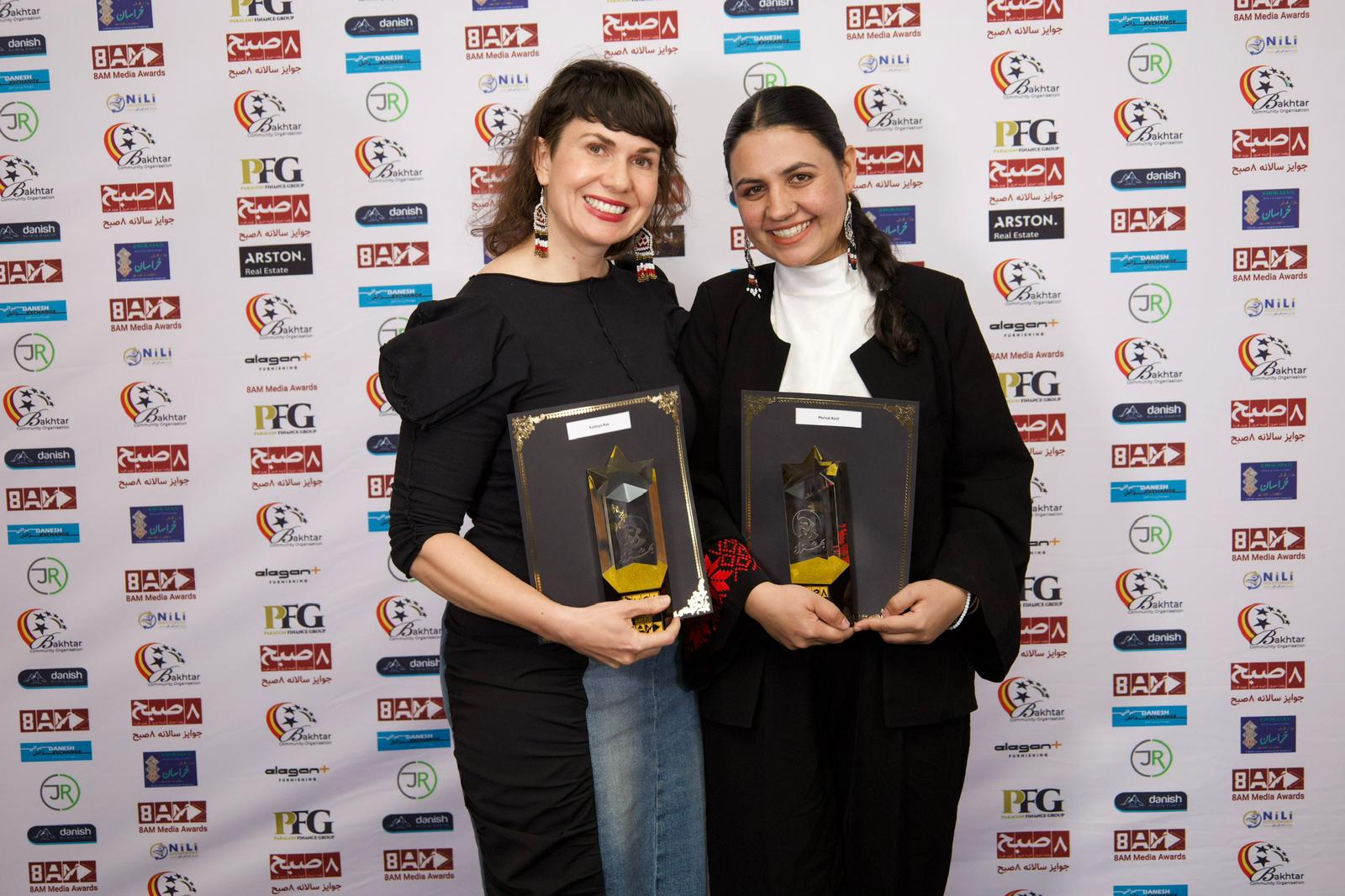
The name of this statuette alone reflects the long history of art in Afghanistan. Its artistic legacy stretches through years of hardship and creates moments of splendor. The award went to two artists who built a bridge of beauty, empathy, and hope between Kabul and Melbourne. Shahnaz Rafi, a defense lawyer and legal expert, presented this statuette to Mursal Azizi and Katharine Ray. Through their joint project, they introduced 208 hand-embroidered works created by women of Afghanistan.
The Besed Theater & Cinema Statuette
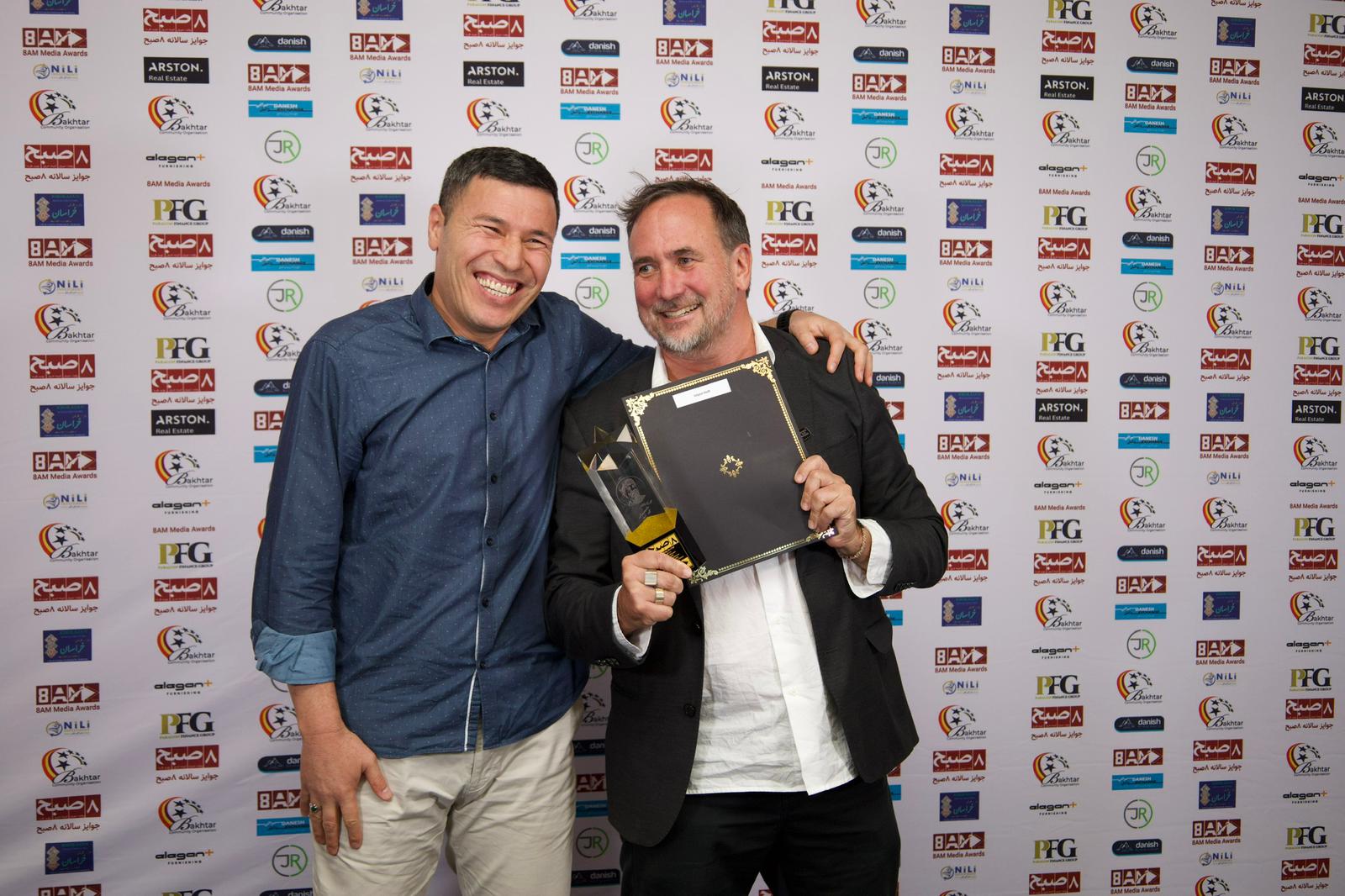
This statuette pays tribute to visual storytelling and the deep narrative heritage of Afghanistan. It honors all those who turn images into voice and give voice to human stories. Habiba Askar, a renowned theater artist of Afghanistan, presented this statuette to Muzaffar Ali and Julian Hoff. Though they came from different worlds, they found unity in one shared human story.
The Majid Zabuli Entrepreneurship & Economic Innovation Statuette
This statuette recognizes the economic initiatives of Zabuli, who is known as the founder of the modern economic structure of Afghanistan. Through trade, banking, and policymaking, he helped lift industry from scattered and traditional roots to a modern and organized system.
The statuette also honors courage and the creation of opportunity, showing how a path to new horizons can rise from nothing. This memorial was awarded to two entrepreneurs who turned the experience of migration into a bridge and transformed limits into doors of innovation and hope.
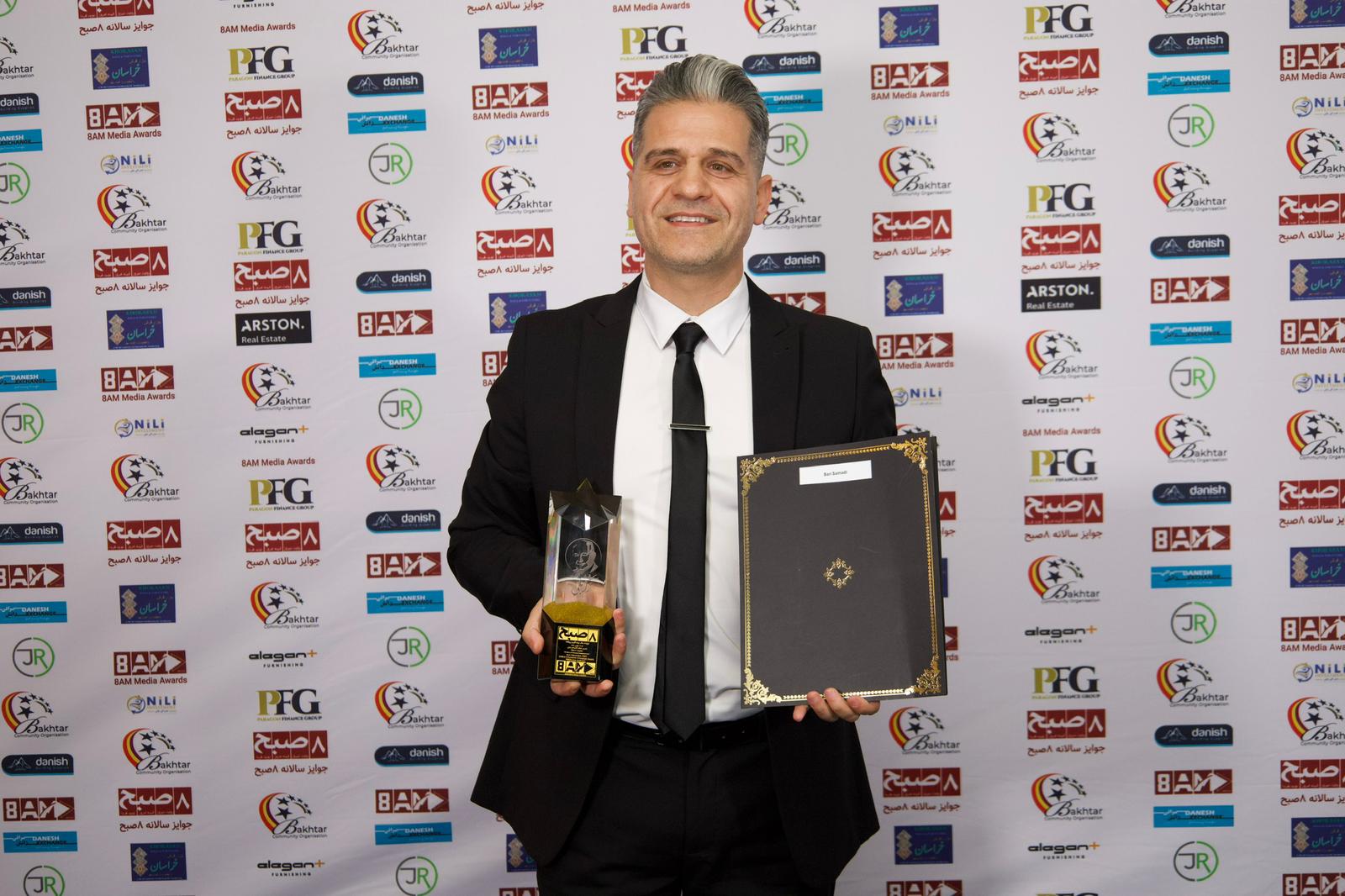
The statuette was awarded to Bari Samadi and Saviz Saviziar, two outstanding examples of migrants whose creativity and hard work opened a window of hope for many others.
The Goharshad Education Statuette
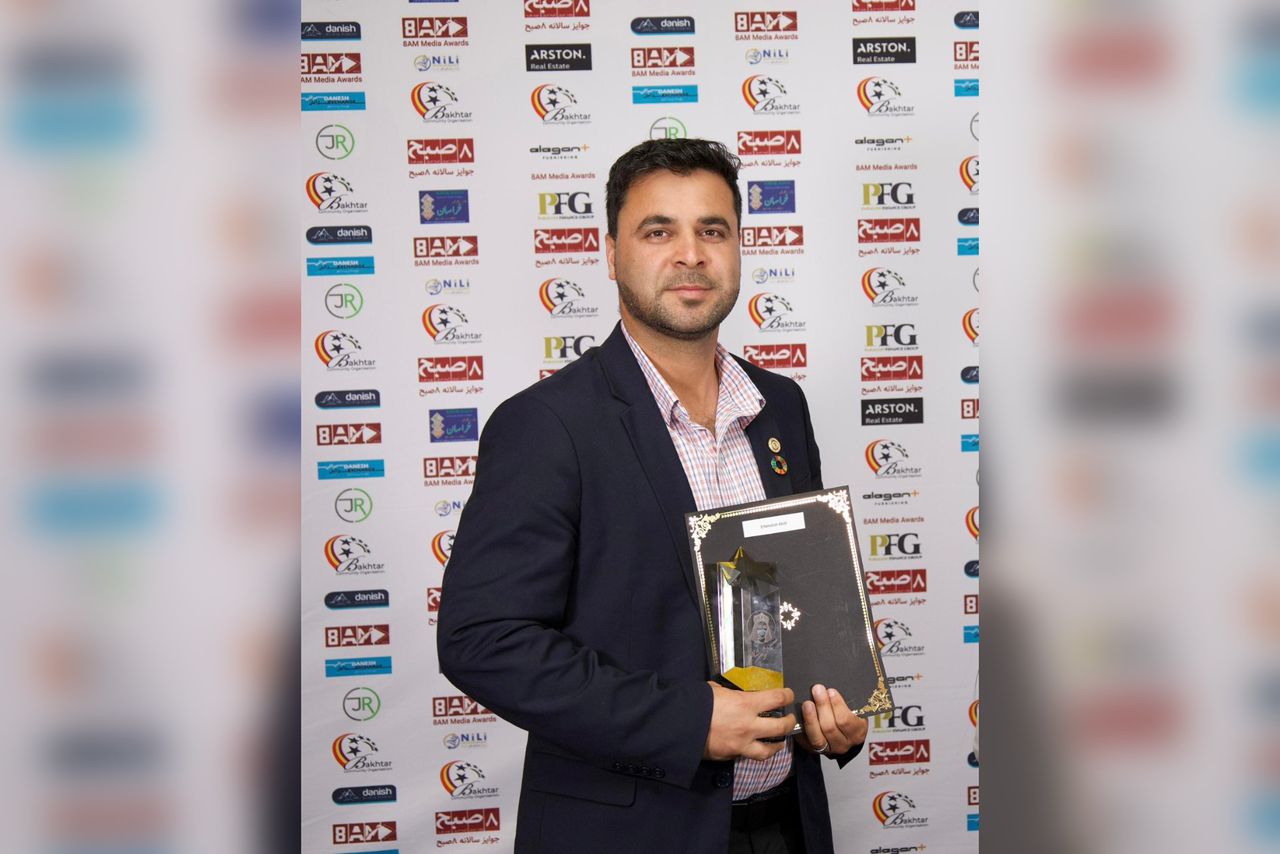
This statuette honors a woman who, centuries ago, built strong foundations of art and knowledge by establishing a school and a library. Today, the award goes to someone who has kept the light of education alive, someone who moved from the hardships of war and migration to the path of peace, learning, and awareness. Ehsanullah Daliri, poet, writer, and associate of the Milton City Council, presented the Goharshad Statuette to Erfanullah Abedi, an education activist.
The Rohullah Nikpai Sports Statuette
This statuette honors someone whose name is forever tied to the pride and honor of a nation. Through the tears of joy of millions of women and men of Afghanistan, he brought two Olympic medals to the country.
The award also belongs to two teams that did more than play. They fought, ran, cried, and raised the flag of Afghanistan during the darkest days in stadiums around the world.
Rohullah Nikpa introduced the winners of this statuette to the guests and received warm applause from the audience. The Afghanistan women’s national football team and the Afghanistan women’s national cricket team won this honor. Fatima Yousefi and Nilab Stanikzai accepted the statuette on behalf of the two teams.
The Farhad Darya Music Statuette
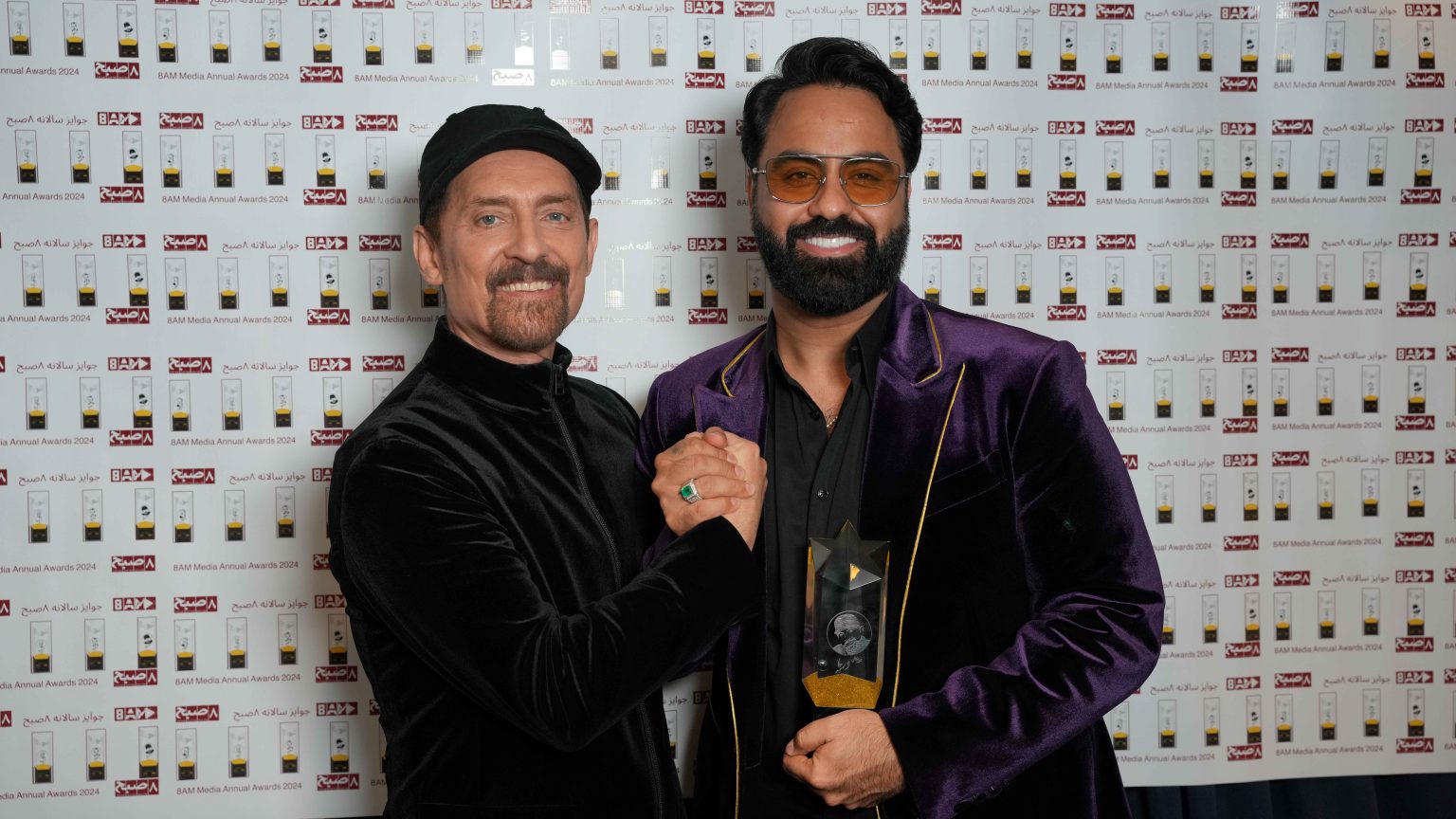
This statuette was created to honor the artistic legacy of Farhad Darya, a man who, for years, gifted smiles and love to the people. His voice became a shared memory for several generations. His melodic songs still color life, and his voice continues to bridge hearts separated by distance and exile. With fresh spirit and new vision, his ghazals traveled from Bamyan to Melbourne. Jawid Nader introduced the winner of this statuette to the guests, and the memorial was awarded to Zia Sahel. Farhad Darya also congratulated Zia Sahel through a video message sent to the ceremony.