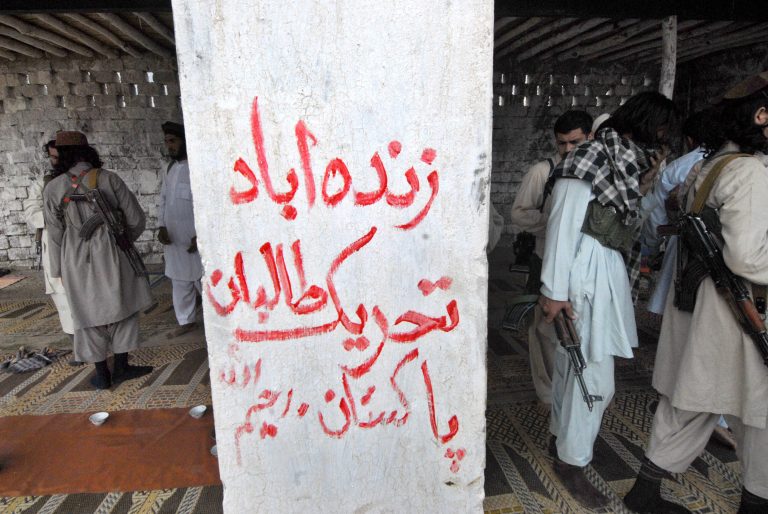
The Tehreek-e-Taliban Pakistan (TTP) poses a significant challenge to the Pakistani government and shows no signs of diminishing anytime soon. A key factor in the TTP’s resilience is its stronghold and sanctuary in Afghanistan, where it receives considerable support from the Taliban. Recently, Mohammad Nabi Omari, deputy interior minister of the Taliban group, stated in a meeting in the Khost province that the Pakistani government has backed off from waging war against the TTP and should engage in negotiations with them—a move akin to what the Afghan Taliban must do with their dissenting factions. Omari’s remarks, whether cautionary or suggestive, serve as a pointed message to the Islamabad authorities, indicating that even if Pakistan’s army were to double in size, it wouldn’t ensure victory in a war against the TTP. However, Islamabad has not embraced this call from the Taliban leadership. Mumtaz Zahra Baloch, spokesperson for the Pakistani Ministry of Foreign Affairs, denied the necessity of dialogue with the TTP and instead advocated for the suppression of the group: “We have no plans to negotiate with the TTP, and we expect the Taliban to take action against the crimes and terror attacks perpetrated by terrorist groups and their leaders.” The divergence in perspectives between the Pakistani government and the Taliban underscores the complexity of the situation and the challenges ahead in addressing the TTP threat effectively.
The reality is that Islamabad is apprehensive about engaging in dialogue with the Pakistani Taliban, fearing it might grant legitimacy to them as a legitimate rival force. Pakistan is well aware of the implications of negotiating with a terrorist group and thus will not easily come to the negotiation table with TTP. The image of the Taliban’s unexpected return to power through clandestine negotiations still looms large, especially in the eyes of neighboring and regional countries. Except for the previous Afghan government, no country in the region has been willing to negotiate with a terrorist group. Pakistan, Iran, China, Tajikistan, Uzbekistan, and others each have a terrorist group threatening their interests, but instead of negotiating, they have opted to suppress these groups, despite being native to those countries. Therefore, with the military and intelligence prowess it holds in the region, Pakistan might not consent to negotiate with TTP, or else it will be at its peril.
The fact that the Afghan Taliban are recommending dialogue between the warring factions in Pakistan is because they have tasted its benefits. The Taliban initially thought to be severely weakened, have slowly and steadily stepped into the arena with the green light from major and minor powers of the world and the region. Sher Mohammad Abbas Stanikzai, the Taliban’s political deputy minister, claimed that the United States has had secret talks with this group since 2007, which is quite intriguing. Following that, Qatar, at the behest of the United States in 2013, established a political address for them in Doha to kickstart the peace process. Other countries also competed to gain the Taliban’s satisfaction, even at the cost of the dissatisfaction of the former Afghan government. Later, things reached a point where, in the absence of its supported government in Afghanistan, the United States blatantly initiated bilateral talks with the Taliban, which had unforeseen and devastating consequences: the return of the Taliban and the collapse of twenty years’ worth of achievements.
Perhaps the supporting governments of the Taliban understood that the victory of the Taliban is not achievable solely through war, and alongside it, creating a political address under the guise of negotiation could integrate this group into power or make them its exclusive owners. Indeed, some figures in the previous government, based on ethnic and tribal grounds, valued dialogue without a clear outlook over war against the Taliban. Nonetheless, the result was the same: the exclusive dominance of an insurgent group over a nation’s destiny.
Now, the Afghan Taliban seek their Pakistani allies to tread this safe and risk-free path so that they can quickly and with less cost become power-sharing partners. In this scenario, the Pakistani government would replace the previous Afghan government, the TTP would replace the Afghan Taliban, and Kabul would replace Doha because the Emirate of the Taliban would be the host. The Afghan Taliban believe that if the warring factions in Pakistan engage in dialogue, TTP will not be eliminated; instead, it will gain benefits. Pakistan’s hand in dealing with the Taliban Emirate is also weakened. For example, a Taliban official in Khost said: “The fact that TTP and our brothers are fighting against the Pakistani government and consider this war a jihad, we do not interfere, but this war creates problems for us.” The Afghan Taliban still want to present themselves as a peace-loving and benevolent force amid the warring factions. If negotiations take place and the Afghan Taliban’s mediation proves effective, it will be beneficial for their reputation. Another point is that the Afghan Taliban deem their Pakistani allies unstoppable and assume that the Pakistani government is compelled to negotiate with them. The claim by the Taliban’s deputy interior minister that even if Pakistan’s army becomes two million strong, it cannot prevail over TTP, confirms this point.
The war against TTP is challenging, but not to the extent of legitimizing this group through negotiations. Islamabad is indeed grappling with challenges, especially in the economic sphere, but this does not mean it will withdraw from the war against TTP. Pakistan’s view of the Taliban of this country is singular: weakening or destruction. If the war against TTP incurs losses, it also brings benefits. Gaining the support of the United States and some regional powers, including Saudi Arabia, is an example. Recently, Joe Biden, the President of the United States, promised support to Prime Minister Shehbaz Sharif by sending a letter, stating that he stands with Islamabad in the fight against global and regional challenges. Foreign ministers of both sides have emphasized joint efforts against terrorism in their recent phone conversations. By acknowledging the issue of war against TTP, Pakistan can also portray itself as a frontline victim in the fight against terrorism; something it hasn’t failed to do. Pakistan, accused of supporting terrorism, has benefited from financial support under the guise of fighting terrorism for years.
Other countries have also not invited Islamabad to negotiate with TTP. Even if occasionally suggested, the aim was to end the conflict between Pakistan and the Afghan Taliban over the TTP issue, not for Islamabad to engage in negotiations with the Pakistani Taliban. For example, if Iran or China were to suggest negotiations with TTP to Pakistan, Islamabad might propose negotiations with Jaish-e-Adl and the Uyghurs to Tehran and Beijing; something that would seem unacceptable.
Perhaps it would have been better if Islamabad officials had responded to the Taliban’s deputy interior minister’s call for negotiations with TTP as follows: Engage in dialogue with your opposing forces to end the current crisis in your country.