Poverty is a harsh reality of Afghan society that many men and women are unaware of. This poverty is a complex issue that is closely linked to economic policies, government, cultural beliefs, gender equality, and societal traditions and customs, making women more vulnerable due to their different social structure and unique experience of poverty. According to the definition of poverty, there are fundamental and structural factors, such as changes in the economic and political system, that contribute to poverty. In Afghanistan, the fall of the republic brought about drastic changes in gender relations and women‘s access to employment. Poverty, in general, and poverty among women, in particular, is one of the social challenges caused by discriminatory, anti–feminist laws and policies that deny women their rights. Therefore, women are not to blame for their poverty due to the restrictions placed upon them.
The phenomenon of female poverty is widespread across the globe, as women are the most impoverished population in the world. According to a United Nations report, 388 million women live in extreme poverty. However, the situation of Afghan women is unique due to the restrictions imposed by the Taliban. This situation has many causes, particularly social and political factors that have deprived women of the resources that could help them escape poverty. It appears that the unequal and discriminatory distribution of resources and opportunities, the gender gap in the economic and social system, and the lack of necessary skills are among the factors that have left women more vulnerable to poverty.
Dad Provided Food/ Dad Bought a Ball
The lack of financial autonomy among women has had a profound impact on their lives, leading to them having to suffer all kinds of violence. The primary factor in relegating women to the lowest rung of the social ladder in our society is the absence of financial independence. Women‘s economic inferiority has been a major factor in determining their status in society as a whole, thus reinforcing gender inequality. Economic inferiority ensures women‘s reliance on men. However, economic and financial autonomy gives women the power to make decisions and liberates them from the restrictions of family life. When women have economic autonomy, they will no longer be subjected to oppression and inferiority and will be able to resist violence or escape from it if it exists.
The gender gap, particularly in the economic sphere, has led to the feminization of poverty in Afghanistan, which has had a detrimental effect on women‘s health, literacy, and overall well–being. Traditional beliefs, public opinion, and the ruling regime all consider men to be responsible for the family‘s economic stability. Consequently, one of the primary causes of women‘s economic decline in Afghanistan is the misconception that men are solely responsible for providing for the family, while women‘s income is not taken into account.
In school textbooks, children are taught from the outset that men are the primary providers of food and other necessities. This perpetuates the idea that men are the breadwinners and reinforces the notion that women have limited opportunities for financial independence due to their physical strength, violence, and insecurity in public spaces. Furthermore, domestic and handicraft jobs are often low–paying, making marriage one of the few viable options for women to earn a living. Those without a husband, widows, those whose husbands are drug addicts, and those without family support are particularly vulnerable to double poverty.
Furthermore, economic strain, cultural stagnation, and the prohibition of female education impede their ability to gain vocational skills and obtain employment. In the past, cultural taboos, the absence of resources, warfare, and insecurity denied women the right to education, work, and the acquisition of skills; however, today, the Taliban regime alone has created a significant barrier to women‘s access to education and employment, thus not only intensifying poverty but also validating cultural misconceptions about working women.
Inheritance and Economic Dependency
Inheritance can be an effective tool in alleviating female poverty, yet the unequal division of inheritance between men and women has caused women to receive only half of what men do. Furthermore, when women demand their inheritance, they are often accused of severing family ties and disloyalty, thus preventing them from accessing it. In cases of impoverished families, the share of inheritance is often insignificant due to the lack of assets to divide. This gender division of inheritance is one of the factors that intensifies female poverty and women‘s economic dependence on men.
Women as Breadwinners
The social system acknowledges the man as the primary figure in the family. However, due to the economic dependence of women, they are reliant on men. Unfortunately, this dependence can have a detrimental effect, particularly for women from disadvantaged backgrounds. In such cases, the responsibility of providing for the family falls on the women. Illness, the death of a spouse, addiction, and divorce are all factors that can lead to women becoming the head of their households. As a result, in addition to their unpaid domestic duties, women are often compelled to work outside the home in order to support their families.
Women who are the primary breadwinners encounter numerous issues and impediments in all areas of life. A lack of job opportunities, laws safeguarding women, access to healthcare, civil and legal liberty, adequate housing, and psychological strain are some of the difficulties these women must contend with.
Taliban and the Institutionalization of Female Poverty
Apart from social factors, the political system is the primary factor in exacerbating or alleviating the poverty of women. Currently, in addition to the social and cultural system of society that does not support women‘s employment, the ruling regime does not recognize them as autonomous individuals, assigning the role of breadwinner solely to men. This ideology creates gender inequality and legalizes discrimination, thus eliminating the possibility of women‘s employment.
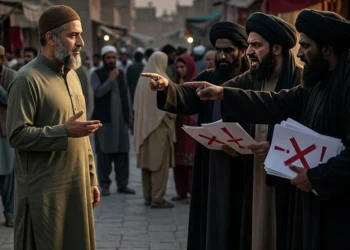
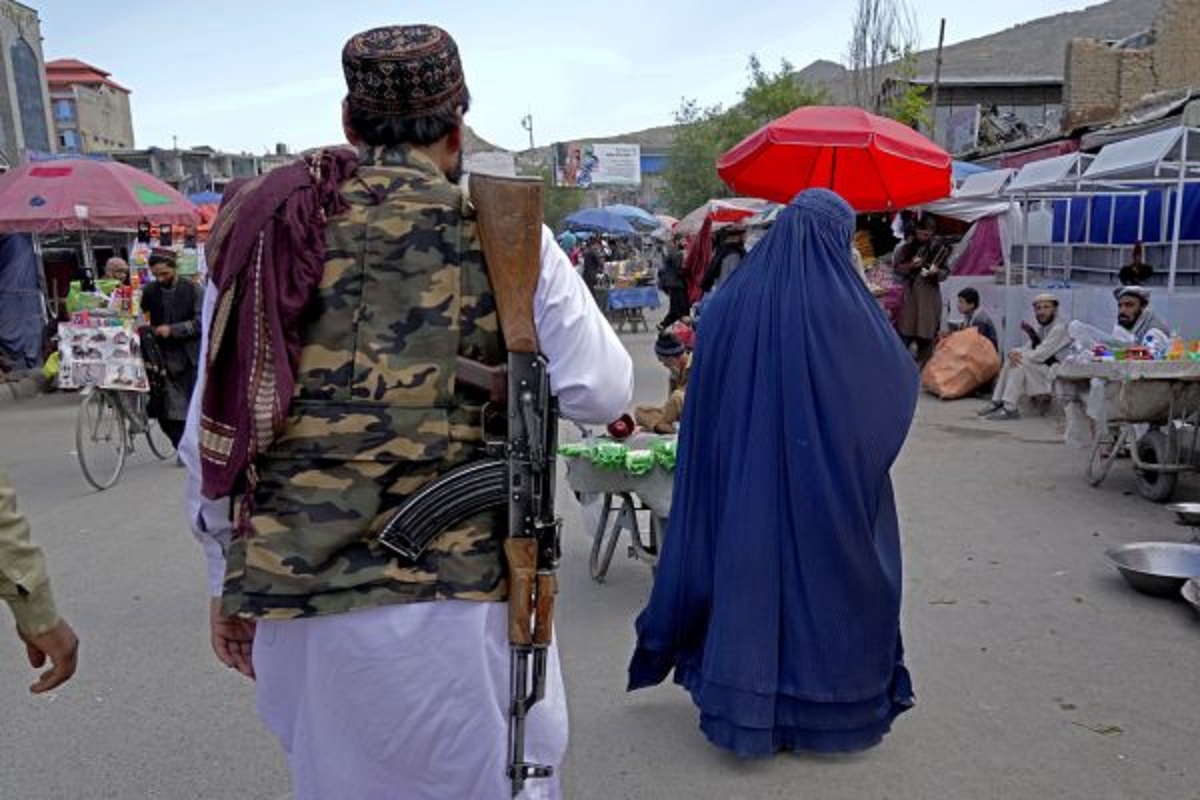
The Taliban regime has a systematic function of gender inequality, as they do not believe in gender equality. This leads to a lack of respect for women‘s economic independence, and they view the presence of women in the public sphere as shameful. In their intellectual system, men are seen as the only breadwinners and heads of the family, and women in this role are not considered the head of the family. As a result of the Taliban‘s systematic removal of women from society, they are facing poverty, and have been denied the right to employment and access to humanitarian aid.
The Taliban‘s policies during both regimes have manifested in the form of misogynies, which take advantage of the aggravation of women‘s poverty by institutionalizing and normalizing gender inequality in society. The existence of inequalities, such as gender, ethnic, and religious inequalities, institutionalizes inequality in society as a natural phenomenon and makes it appear inevitable, leading to the oppressed group getting involved in conflict rather than standing and resisting a regime that has caused such poor living conditions for them.
During the Republic period, there was a significant economic disparity between men and women, but the re–establishment of the Taliban and the restrictions they imposed on women have exacerbated this gap. According to the National Statistics and Information Authority (NSIA), in 2019, 26% of civil service employees were women, who worked in judicial, security, and educational institutions. Additionally, many Afghan workers were teachers, health experts, journalists, judges, police officers, and defense lawyers. However, with the Taliban‘s dominance, millions of women lost their jobs, leading to widespread poverty in the country, particularly among women. Furthermore, the prohibition of women‘s right to work and denying them access to humanitarian aid has left many female breadwinners and households in extreme poverty and hunger.
Women in various regions of the country are facing poverty. Prohibiting women from working causes irreparable harm to those who are breadwinners and to society as a whole. Consequently, begging and prostitution have become more prevalent in our community. Therefore, it is essential to combat “women’s poverty“ and it is one of the pressing obligations of all justice–seeking forces in society. To eradicate and reduce the current crisis, it is necessary to eliminate the factors that have caused the emergence and perpetuation of this phenomenon, so that women can gain access to education and acquire professional skills and employment.