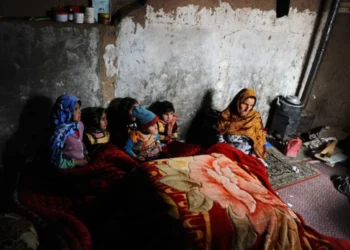

The World Bank has said that 15.9 million people in Afghanistan are facing acute food insecurity, while declining purchasing power and rising prices are making living conditions more difficult for families.
In a report published on Wednesday, November 18, the bank said families are facing reduced working days and higher food prices as they struggle with economic pressures.
According to the report, in September 2026, daily wage workers had 14 per cent fewer working days compared with the same period last year.
It added that one week’s wages could buy 27 per cent less wheat flour than before, while people’s purchasing power had declined in all 31 provinces of Afghanistan.
The World Bank said workers and returning migrants have been more severely affected by the decline in purchasing power than other groups.
Meanwhile, the World Food Program (WFP) has said that more than half of returning families cannot meet their basic living needs through their income.