Every year, June 20th is celebrated globally as Refugee Day. This date was designated by the United Nations to increase public awareness of refugees’ plight and their rights. According to the 1951 United Nations Convention on Refugees, a refugee is someone whose life is in danger due to their affiliation with a specific nation, religion, race, social class, or political party, necessitating their flight from homeland.
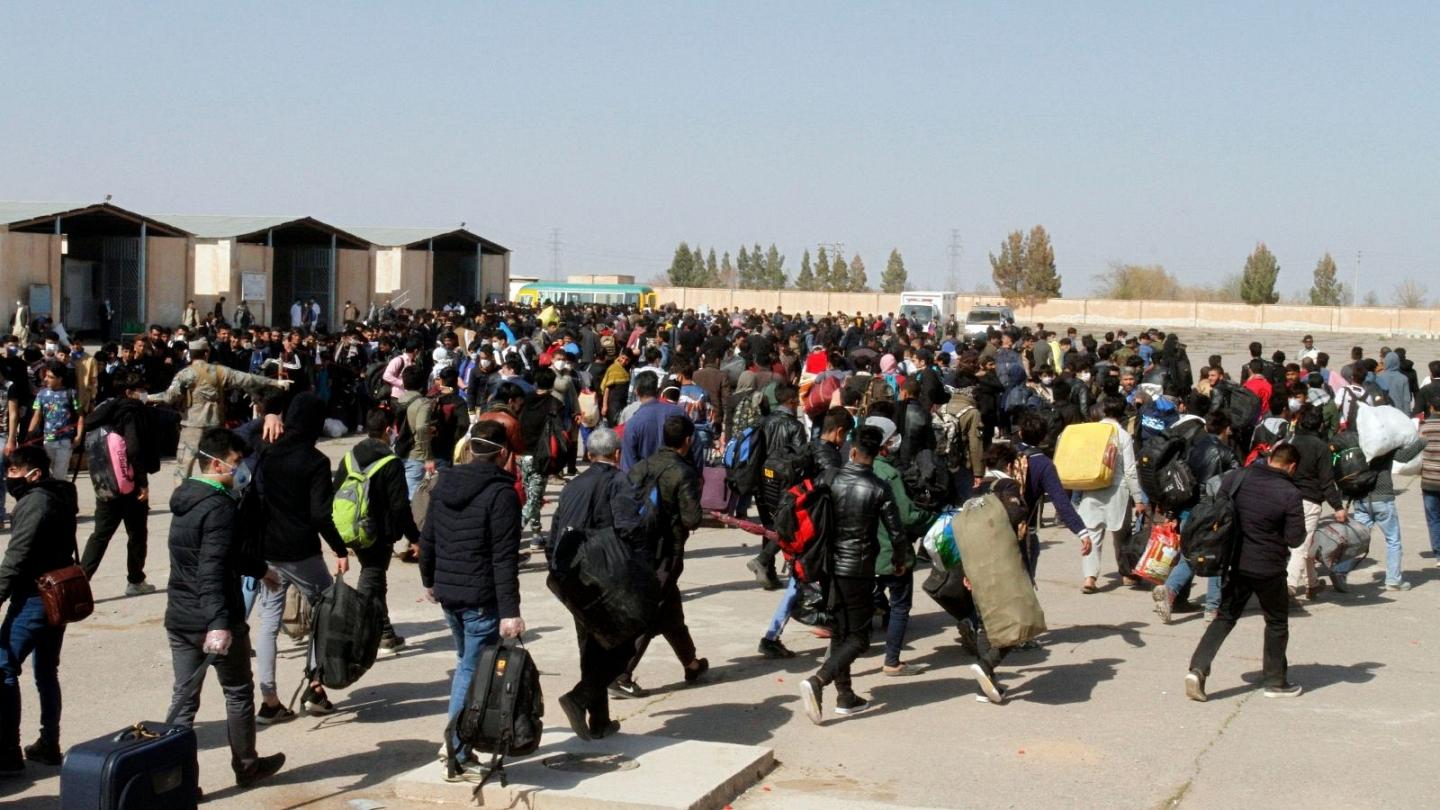
Afghanistan is one of the countries with millions of refugees. As per the United Nations Refugee Agency (UNHCR) report, 5.7 million Afghans are living as refugees in neighboring countries. Additionally, about 24 million Afghans are in dire need of humanitarian assistance due to the conflicts and recent political developments in the country.
The Afghan Migration Background
The migration exodus from Afghanistan began nearly 43 years ago, back in 1979 when a communist Party orchestrated a coup against the then government. The leadership of the communist party being ideologically inspired by communism and Marxism, sought to establish a communist state, eliminate the so-called class division, and transform Afghan society into a socialist society. The coup was bloody, resulting in the death of then-president Sardar Muhammad Daud Khan and his family.
Afghan Refugees’ Problems
Emigration is a distressing experience, often taken up only when one’s life, honor, and dignity are under threat. Afghan refugees sought refuge in neighboring countries for their safety and the preservation of their honor. The refugees, who have been away from home for more than five years year and cannot yet return, are classified under the Protracted Refugees Situation.
In this long migration process, Afghans have faced economic, social, and psychological pressure. They are estranged from their history, geography, culture, language, and religion. This exodus has affected four generations of Afghans, starting with the older generation that sought refuge and is now largely no more, followed by the youth and the subsequent generations born in the 80s, 90s, and after the turn of the millennium.
The 1951 International Convention on Refugees mandates that no country can forcibly expel refugees or discriminate against them. Refugees have the right to education, work, social security, religious freedom, property, movement, and identity in their host countries. However, Afghan refugees are not fully enjoying these rights, especially in Iran and Pakistan, where they face economic and psychological stress.
In 2007, Pakistan registered Afghans for the first time, but only as refugees, offering them no additional rights. In doing so, it ended their immigration status. Moreover, Afghan immigration has been politically manipulated, often leading to the victimization of the refugees.
Responsibility of Afghan Immigration
Those are responsible for the Afghans’ displacement who forced them to leave their homeland, provoked them into wars, exploited them for their political and economic goals, and then abandoned them irresponsibly.
The Political leaders who had come out against an established system for their vested interests seeking power through coups, destructive politics, and armed uprisings bear the responsibility for the tragedy of Afghan refugees
The International powers are responsible who have turned Afghanistan into a battlefield for the past 40 years to achieve their strategic goals.
Moreover, the international community is answerable for not devising a reasonable plan to address the issues, even after 40 years of migration.
The Solutions
To date, the international community, the Afghan government, and host countries for Afghan refugees have largely focused on repatriation – the return of refugees to their homeland. However, this approach is ineffective, especially for those caught in a protracted refugee situation.
Addressing the Afghan refugee crisis requires a humane and responsible approach, and it should be regarded as a global humane crisis, given the exploitation of immigrants in drug trafficking, religious conflicts, and proxy wars. To alleviate the problem, the international community should take the following steps:
1.Resettlement
Resettlement programs should be established, sending refugees to other countries where they can gain citizenship or permanent residence. Countries involved in Afghanistan for the past forty years, along with the United Nations, the international community, refugee organizations, and human rights groups, have a responsibility to accept a significant number of refugees. This will not only reduce the burden on host countries but also offer a solution to the refugee problem. A similar resettlement approach was successful for European refugees after 1945 and Indo-Chinese refugees in the 1980s.
2. Integration
Host countries of Afghan refugees should consider granting citizenship to a significant number of them. Many Afghans have physically and psychologically integrated into these societies, building businesses, establishing families, and developing intellectual and cultural bonds with the local population. It is their right to obtain legal citizenship in these countries. According to the Pakistan Citizenship Act, 1951, anyone born in Pakistan (with certain exceptions) is considered a Pakistani citizen. Pakistan Ex-Prime Minister Imran Khan attempted to grant citizenship to Afghans based on this law in 2018, but domestic pressures prevented its implementation.
3. Repatriation
For recent refugees, the repatriation program could be implemented with a comprehensive mechanism ensuring favorable living conditions and eliminating factors contributing to immigration. Repatriation alone isn’t a solution for all refugees; other means should be explored. For instance, the Central American refugee crisis in the 1970s and 1980s was handled through a conference called CIREFCA, which emphasized regional integration. The UNHCR deemed this effort highly effective.
Th Responsibility of Afghan Leadership
The Afghan government and political parties bear a significant responsibility in ending Afghan migration. They should work with the international community and host countries to return recent refugees to their homeland with dignity, facilitate their employment, and eliminate factors causing forced migration. They should create conditions where people don’t need to flee the country by removing barriers to education, work, and political and economic participation to prevent further migration.
Political parties and leaders involved in the past 40 years of turmoil must accept their policies’ harm. They should stop using coup policies and forceful power ascension, and instead work towards correcting and strengthening the current governing order to evade further destruction and miseries. The Afghan people also carry the responsibility to learn from past misfortunes.
Writers, journalists, and anyone with a voice in international media should strive to end the prolonged Afghan migration. They should raise their voices loud enough to stir the international conscience, advocating for the wellbeing and comfort of a nation whose fourth generation is still grappling with refugee status.