• 8AM.MEDIA
  • ویب‌سایت فارسی
  • پښتو ویب‌پاڼه
  • اۉزبېکچه ویب‌سایت
  • Podcast
Sunday, September 20, 2026
Hasht-e Subh
  • Home
  • News
    • Afghanistan News
    • World News
  • Opinion
    • Editorial
    • Analysis
  • Reports
    • Daily Reports
    • Investigative Reports
  • Society
    • The story of people
  • Women’s Word
  • Columns
    • Three Years After Afghanistan’s Fall: The Taliban’s Resurgence
    • Towards Equality
    • The Resurgence of the Taliban: Two Years Since Afghanistan’s Fall
    • Hebatullah Report Special Edition
    • Resistance for Education Special Edition
    • Special Column on Taliban’s Education Curriculum
    • Nawroz
  • Interviews
  • Contact Us
    • About Us
    • 8AM MEDIA Annual Awards
    • Submit an Article to Hasht-e-Subh
  • 8am.mediaBack
Subscribe
No Result
View All Result
  • Home
  • News
    • Afghanistan News
    • World News
  • Opinion
    • Editorial
    • Analysis
  • Reports
    • Daily Reports
    • Investigative Reports
  • Society
    • The story of people
  • Women’s Word
  • Columns
    • Three Years After Afghanistan’s Fall: The Taliban’s Resurgence
    • Towards Equality
    • The Resurgence of the Taliban: Two Years Since Afghanistan’s Fall
    • Hebatullah Report Special Edition
    • Resistance for Education Special Edition
    • Special Column on Taliban’s Education Curriculum
    • Nawroz
  • Interviews
  • Contact Us
    • About Us
    • 8AM MEDIA Annual Awards
    • Submit an Article to Hasht-e-Subh
  • 8am.mediaBack
No Result
View All Result
Hasht-e Subh
No Result
View All Result

Taliban and the Flames of Ethnic Conflicts

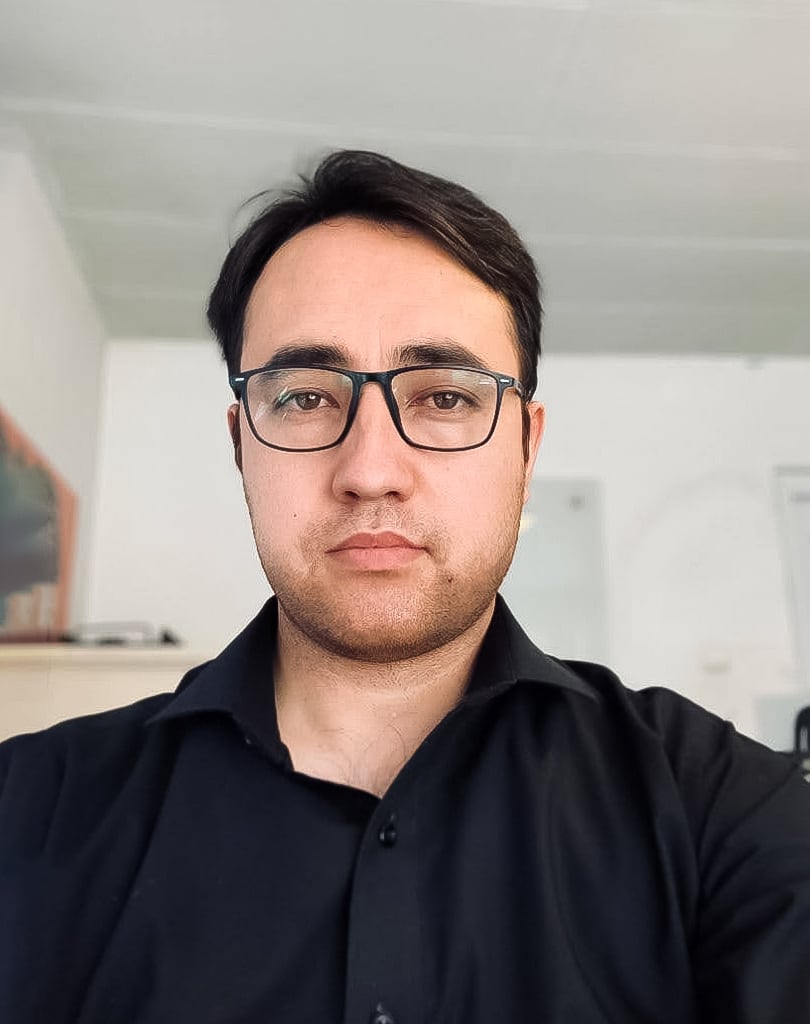
By: Muhammad Ali Nazari

Mohammad Farhaad Mohammad Farhaad
8 May 2024 - Solar Hijri Date: 1403/02/19 [t_time:1715160198]
Protesters in Badakhshan province

Social Media

In the past two to three days, three ethnocentric incidents related to Taliban rule have occurred in Afghanistan. The first incident took place in Badakhshan province. Taliban fighters in the Darayem district of this province, under the pretext of destroying poppy fields, destroyed legitimate people’s farmlands and then stormed homes, committing acts of robbery against the people, including women. In response to this aggression and disrespect, the people of Darayem protested against the Taliban, who, in turn, responded by opening fire on the people. Although the bullets resulted in casualties and injuries, they did not quell the protest; instead, it intensified. To suppress it, the Taliban dispatched fresh forces. These protests spread on the second day to two other districts in Badakhshan (Jurm and Argo), widening their scope. These protests have not subsided yet and continue to assert their strength. The Taliban, in an attempt to address what they call the conflict, sent a delegation to Badakhshan from the capital, but the protesters blocked their path. The ethnic dimension of this conflict lies in the fact that the invading and aggressing fighters against the people’s homes and women are predominantly Pashtun, while the residents are mostly Tajik and Uzbek. Therefore, the protesters have demanded the expulsion of Pashtun-origin Taliban fighters from these districts.

The second conflict occurred in the Behsud district of Maidan Wardak province. In this district, armed Kuchis, as in previous years, have raided villages and people’s farms, intimidated them, and warned them not to use their agricultural lands anymore. Additionally, they have demanded that they pay compensation for the twenty years of use of these lands. The conflict between Kuchis and settled residents, mainly in Hazara-populated areas, is a longstanding one. This conflict dates back to land policies initiated by Abdul Rahman Khan and continued by Amanullah Khan. Amanullah Khan formalized land policy for the first time in the country and enacted the “Transhumance Ordinance towards Qataghan,” which was implemented. According to the orders of these kings, Kuchis had to move their herds to central Hazara-inhabited areas and some northern areas of the country for grazing, where these grazing lands were considered their property. However, now that Kuchis, who acted as Taliban’s arms during the republic, are acting with impunity, attacking people with arms, setting fire to their homes, and destroying their farms. Now, Kuchis not only claims grazing lands but also considers the homes and farms of the people as their property. They enjoy full support from the Taliban, enabling them to carry weapons and use force against the people. Although the situation was similar during the republic, now, due to the weak power base of non-Pashtuns, especially Hazaras, Kuchis have imposed a much worse situation on the people. Consequently, the local people, who have relatively little ethnic affinity with Kuchis, have come under attack. Therefore, this conflict has practically taken on an ethnic form.

In Baghlan province, a third conflict erupted when Taliban fighters of Pashtun descent assaulted local women, prompting a public outcry. Non-Pashtun Taliban members stood in support of the people. The Taliban security commander in that district, Pashtun himself, deployed his forces and severely humiliated the non-Pashtun fighters, arresting and imprisoning them. This action by the Taliban security commander was heavily interpreted as ethnically motivated, sparking dissent among non-Pashtun members of the group.

The Taliban, predominantly Pashtun in composition, represent a nexus of ethnic and religious identity. Besides suppressing followers of other religions, they have also deeply divided people along ethnic lines, often ridiculing non-Pashtun ethnicities. Attacks on women by Taliban fighters and commanders predominantly target non-Pashtun women, as reported by media outlets. Hence, the Taliban exploit assaults on women as a tool for intimidating and demeaning non-Pashtuns, essentially punishing them through these heinous acts. Therefore, it seems that sending delegations to resolve these conflicts might not yield lasting results. The Taliban do not refrain from their ethnic and religious policies, and the continuation of these policies will likely fuel further conflicts in the future.

On the other hand, attacks on Hazaras and Shias in various parts of the country are not unrelated to the Taliban. After the recent attack on Shia worshippers in Herat, Rahmatullah Nabil, former head of the National Directorate of Security (NDS ) of Afghanistan stated that “a senior Taliban commander was accused of involvement in these attacks”. Analysts have previously suggested that the Taliban exploit ISIS as a lever of pressure on the Afghan people and sometimes attribute their attacks to ISIS. The fact that ISIS claims responsibility for these attacks may be because they also benefit from such attacks.


You can read the Persian version of this analysis here:
طالبان و آتش نزاع‌های قومی

ShareTweetSendSendShare

Related Posts

A Taliban member in a camouflage vest stands in front of a vehicle carrying armed men. (Photo Credit: AFP)
Analysis

Why Have the Taliban Lasted This Long?

19 September 2026 [t_time:1789843474]
A stretch of unpaved, dust-covered road in Faizabad's Dasht-e Shuhada area shows the stalled construction project residents say has left them without a finished road. (Photo credit: 8am.media)
Daily Reports

Faizabad Residents: Road Construction Promises Left Us With Only Dust and Ruins

17 September 2026 [t_time:1789651002]
An aerial view of Badakhshan province (Photo: Wikipedia.org)
Afghanistan News

Generator Explosion in Badakhshan Leaves Three Dead and One Injured

17 September 2026 [t_time:1789617429]

Latest

Loading latest news...

Popular stories

  • Hamza bin Laden - the son of Osama bin Laden (Photo: Social Media)

    Al-Qaeda Releases Hamza bin Laden Message on 9/11 Anniversary

    Share
    Share Tweet
  • UN Report Reveals Shifts in Family Attitudes and Rise in Domestic Violence in Afghanistan

    Share
    Share Tweet
  • German Politician Calls for Faster Deportation of Undocumented Afghan Migrants

    Share
    Share Tweet
  • Taliban Shoot Young Man from Herat After Torturing Him with Hands Tied

    Share
    Share Tweet
  • Pakistan Army Spokesperson: Afghanistan Has Become a Base for Dozens of Terrorist Groups

    Share
    Share Tweet

Podcast

Insights
Insights

Join Lynne O’Donnell for 8AM’s podcast series, Insights.
Lynne talks with generals, diplomats, soldiers, journalists, politicians, activists, people who have front row seats for conflicts around the world, and citizens with a story to tell, happy or sad. For this first series, Afghanistan is the focus. Lynne and her guests talk about the collapse of the republic in August, 2021, and the impact since — for the people of Afghanistan, for the security of the region, for the safety of the world. It’s important, interesting and insightful.

Insights/22: Controlling the Narrative with Mina Sharif
byinsights8am

Controlling the Narrative

Lynne O’Donnell talks with Mina Sharif, author, activist, women’s rights campaigner, educator and mentor. They discuss who controls the narrative and who speaks for Afghanistan’s people when the Taliban appear to have seized control not only of the country but of the message, too.

Have a listen

Insights/22: Controlling the Narrative with Mina Sharif
Episode play icon
Insights/22: Controlling the Narrative with Mina Sharif
Episode Description
Episode play icon
Insights/21: Media Meltdown with Zahra Joya
Episode Description
Episode play icon
Insights/20: Terror Inc with Scott Richards
Episode Description
Episode play icon
Insights/19: Busting Stereotypes with Bushra Gohar
Episode Description
Episode play icon
Insights/18: Media Matters with Waliullah Rahmani
Episode Description
Episode play icon
Insights/17: What Goes Around Comes Around with Sima Samar
Episode Description
Search Results placeholder
Hasht-e Subh

8AM Media, also known as Hasht-e-Subh Daily, stands as Afghanistan's premier independent and non-profit newspaper, resonating as a beacon of journalistic integrity since its establishment in June 2007 by esteemed Afghan journalists and human rights advocates. With a steadfast commitment to citizen journalism and civic education, Hasht-e-Subh Daily has earned its place as the most esteemed publication in the nation.

Publisher: Sanjar Sohail
Email: [email protected]
Executive Director: Parwiz Kawa
Email: [email protected]

Read More

Four Agreements, No Answers: Inside the Taliban Transport Ministry’s 132 Religious Sessions

Polio Vaccination Campaign to Begin Across Afghanistan Tomorrow

The Chapters No One Saw

World Cleanup Day: UNAMA Says Environmental Pollution Has Become a Serious Challenge

Bodies of Two Children Found in Herat’s Ghorian District

Editor’s Choice

Every Saturday morning, 8AM MEDIA English Services Department will guide you through the week’s biggest stories from Afghanistan and the international community.

Subscribe

© 2026 - ©Hasht-e Subh Daily

No Result
View All Result
8am.Media
پښتو ویب‌پاڼه
ویب‌سایت فارسی
اۉزبېکچه ویب‌سایت
  • Home
  • News
    • Afghanistan News
    • World News
  • Opinion
    • Editorial
    • Analysis
  • Reports
    • Daily Reports
    • Investigative Reports
  • Society
    • The story of people
  • Women’s Word
  • Columns
    • Three Years After Afghanistan’s Fall: The Taliban’s Resurgence
    • Towards Equality
    • The Resurgence of the Taliban: Two Years Since Afghanistan’s Fall
    • Hebatullah Report Special Edition
    • Resistance for Education Special Edition
    • Special Column on Taliban’s Education Curriculum
    • Nawroz
  • Interviews
  • Contact Us
    • About Us
    • 8AM MEDIA Annual Awards
    • Submit an Article to Hasht-e-Subh
  • 8am.media

© 2026 - ©Hasht-e Subh Daily