The World Bank has said that water insecurity in Afghanistan is negatively affecting economic growth, employment, energy production, health and development, posing a threat to the country’s economic future.
In its latest report on Wednesday, November 18, the bank said the agricultural sector employs 46 percent of Afghanistan’s workforce and accounts for 95 per cent of the country’s water consumption.
According to the report, water shortages directly threaten agricultural production, livestock farming and the incomes of rural households.
The World Bank added that declining river flows could limit hydropower generation, while unreliable access to water and electricity could disrupt economic and industrial activities.
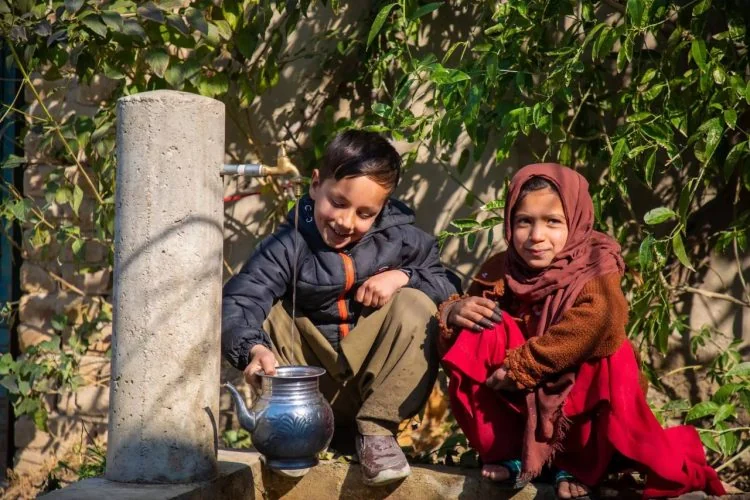
The bank also warned that unsafe drinking water and inadequate sanitation facilities harm public health and children’s development.