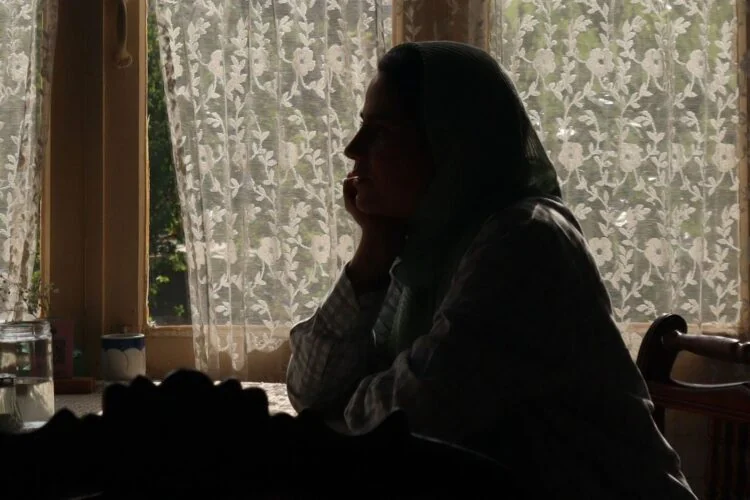
Afghanistan is a society in which women face violence and judgment based on misconceptions and are often regarded as inferior or weaker than men. Yet no human being is more intelligent, powerful, knowledgeable or deserving than another simply because they are male or female. Intelligence, awareness and ability do not come from being born with a particular gender. What helps people grow is education, experience, reading, critical thinking and the opportunities they are given to discover and develop their abilities.
If a girl is deprived of education, it does not mean she lacks talent. If a woman is denied the opportunity to participate in society, work or make decisions, it cannot be concluded that she is incapable of doing these things. Sometimes what is described as women’s inability is, in fact, the result of opportunities they have never been given.
In Afghanistan, this issue carries even greater significance. Many girls have dreams they have not yet had the chance to pursue. They want to become doctors, writers, teachers, researchers, artists or business owners. Their minds are full of questions, ideas and ambitions, but they often face numerous obstacles even when trying to achieve their simplest goals.
Despite all these restrictions, Afghan women have repeatedly demonstrated their ability to learn, create and make an impact. Many women take on major responsibilities at home, within their families, at work and in society. Some teach, others write, establish businesses or struggle to continue their education despite the difficulties. These efforts may not always be recognised, but an ability does not cease to exist simply because it goes unseen.
Over the past 20 years in particular, we Afghan women have tried to speak out against the injustices committed against women and to change society’s perception of women through our presence and abilities. Despite the changes and progress we achieved, attitudes are once again shifting, and women have now been excluded from all areas of public life. Our demand is that we not be deprived of the opportunities to learn, make choices, discover our potential and progress. We want people to pay attention to the substance of what we say, not our gender.
We must recognise that a society progresses only when all its members have opportunities to grow. No country can build a bright future by ignoring half of its human potential. Educating a girl benefits not only her but also her family, society and future generations. A woman who learns, thinks and gains knowledge can play a role in building a more informed and responsible society.
Of course, equality does not mean that all human beings are the same. Every individual has their own talents, characteristics and abilities. However, individual differences should never be used as an excuse to deny anyone respect or basic human opportunities. No one should have to erase their gender to prove the value of their ideas.
What matters most today is women’s solidarity in the face of injustice. Afghan women and girls must once again work together and use every possible means to pursue opportunities in education, employment and the arts, demonstrating that they can overcome any crisis despite the restrictions imposed on them. Today, we are witnessing the achievements of some girls in the fields of art, education and sports. Despite all the limitations, they continue to resist and win awards and honours.
Although the road ahead is difficult and the future remains uncertain, we must continue to speak about these misconceptions, highlight the importance of education and teach future generations that respect for human beings should not depend on their gender. Changing such attitudes may not be easy or happen quickly, but awareness, dialogue and acceptance of human values can help pave the way towards change.