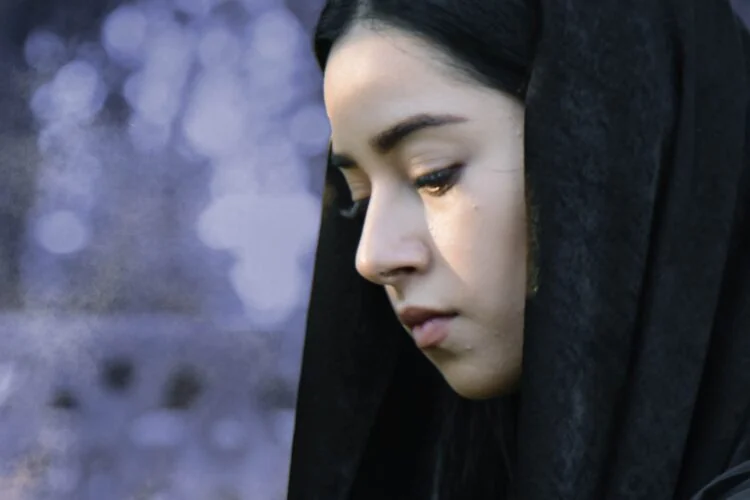
Tamanna was born in Iran, grew up there, went to school, continued her education and graduated from university. The neighbourhoods, streets, schools and university were all part of her childhood and youth in a country where she had spent her entire life. She had never seen Afghanistan in person, a country whose name she had heard from family members and whose image she had occasionally seen in the news and on television. Yet, as she grew older, she increasingly realised that being born and raised in a country does not always mean being accepted as part of it.
Tamanna says that throughout her years in Iran, people saw her as a migrant before recognising her as a school pupil or university student. She studied, took exams and worked towards her future, but the shadow of being a migrant never left her life. When she talks about her school years, she uses a sentence that sums up her entire experience: “I was never just a school student; I was always a migrant student. I was never just a university student; I was a migrant university student.”
For Tamanna, being a migrant was not merely a word on her identity documents. It was part of her everyday life. She was born in a country where her family had also lived for many years, yet she still felt that she did not fully belong. Whenever she tried to think about her future, her migrant status and residence permit followed her like a shadow.
She studied engineering and spent years working towards reaching that stage. Her educational journey, from childhood through university, took place in Iran. But at the end of that journey, she did not find the sense of security and belonging she had hoped for. Tamanna says she had grown tired of the living conditions of migrants in Iran and no longer wanted her entire future to remain under the shadow of an identity she had never chosen.
She wanted to live somewhere that questions about her education, work and future would not begin with a reminder that she was a migrant. She wanted to be seen simply as herself: a young woman who had studied, earned an engineering degree and wanted to use her abilities to build a life.
For this reason, she decided to leave Iran and move to a country where she hoped she could start a new life without feeling like a stranger. But the decision was not easy. Tamanna decided to travel without her family and use a smuggling route to reach the Turkish border, a dangerous journey that she hoped would bring her closer to a different future.
However, the journey did not go as she had imagined. She was caught along the way, and as a result, her Iranian residence card also became invalid. In the end, instead of reaching another country, she was sent back to Afghanistan, a country she had never seen in person.
Tamanna says: “I had never seen Afghanistan. My entire life had been spent in Iran. I sometimes saw Afghanistan in the news and heard about its situation. I never thought I would one day enter a country that was so unfamiliar to me under these circumstances, alone and far away from my family.”
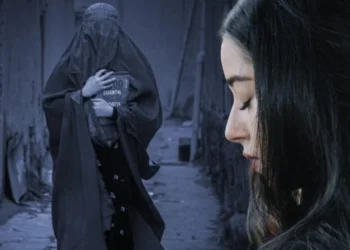
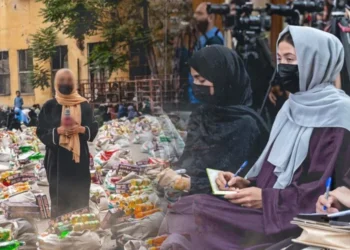
Her return to Afghanistan was not a homecoming. It was an arrival in an unfamiliar country where she had never expected her first experience to be marked by loneliness, anxiety and restrictions. She entered Afghanistan at a time when the Taliban had once again taken control of the country and women were facing widespread restrictions on education, employment, movement and participation in public life.
Tamanna has now been living in Afghanistan for more than a year, a country whose name appears in her identity documents but where she has no memories of childhood or youth. She lives with one of her relatives and is trying, by any means possible, to return to Iran, the country where she was born, grew up and studied, and where her family still lives.
Life in Afghanistan, however, has not been easy for her. Tamanna describes days spent at home and the lack of facilities available to her. She talks about cold winters and hot summers, difficulties getting around and restrictions imposed on women’s clothing and presence in society. After years of working towards education and personal independence, she now faces numerous obstacles even in finding a job.
Tamanna says: “I studied for years, went to university and completed my engineering degree, but here I have not even been able to find a job for myself. I spend most days at home. It feels as though all those years I worked hard for my future have never been of any use to me.”
For a young woman who spent much of her life in school and university, being confined to the home means more than simply being unemployed. It means being cut off from the life she had prepared herself for. Tamanna wants to work, use her knowledge and skills, and make decisions about her future like any other woman. But in Afghanistan, existing restrictions have gradually narrowed her opportunities.
She talks about the differences between life in Iran and Afghanistan. Despite all the difficulties of being a migrant in Iran, she was able to attend school and university. In Afghanistan, despite being a citizen of the country, she faces serious obstacles to finding work and building an independent life.
For Tamanna, this situation is a bitter contradiction: she was born and raised in Iran but was always regarded as a migrant. She came to Afghanistan hoping to find a place where she could build a life, but here too, she has been unable to create the life she wanted.
She says: “In Iran, even though I had spent my entire life there, I always felt that people looked at me as a migrant. Now that I am here, I am also facing restrictions that do not allow me to live a normal life. I just wanted to live somewhere where I could study, work and make decisions about my future.”
When she talks about her days in Afghanistan, what exhausts her most is the repetition: mornings that begin and nights that end without anything changing. She once travelled between home, school and university, making plans to achieve her dreams. Now, she spends most of her time at home. She has no job to give meaning to her days and lacks the opportunities to make use of the degree she earned.
Tamanna still wants to return to Iran, where her family lives and where all her childhood and youth memories are rooted. For her, returning to Iran is not simply about going back to a country. It is an attempt to return to a life from which she was separated against her will.
What makes Tamanna’s story even more painful is that she has been unable to experience the simple sense of belonging and security in either country. In Iran, despite being born and raised there, she was always identified as a migrant. In Afghanistan, despite her ties to the country through her identity, social restrictions and the lack of employment opportunities and possibilities for independent living have confined her to the home.
When I think about Tamanna’s story, the main question for me is not which country she belongs to. It is why a young woman with years of education, university knowledge and the ability to work should have to struggle so much just to live a normal life.
Tamanna stands between two countries: one where she was born and raised but was always a migrant, and another to which she was sent back but where she has been unable to begin the life she wanted. She does not want to be known only as a migrant, nor does she want to spend all her days at home, separated from work and society.
Perhaps the most painful part of Tamanna’s story is this: she spent years studying to build a future for herself, but now she is searching for a place where she is allowed to use the knowledge and skills she worked so hard to gain. She did not leave Iran because she had no memories there, nor did she come to Afghanistan because she had memories of it. Circumstances separated her from the country where she had spent her entire life and brought her to one that was unfamiliar to her.
Tamanna still hopes that one day she will return to Iran, be reunited with her family and live in the place where all her memories were formed. But until that day, her days in Afghanistan pass in waiting: waiting for an opportunity to use her education and skills again, to work and to move beyond the shadow of being a migrant and the restrictions that have surrounded her life.