• 8AM.MEDIA
  • ویب‌سایت فارسی
  • پښتو ویب‌پاڼه
  • اۉزبېکچه ویب‌سایت
  • Podcast
Monday, November 16, 2026
Hasht-e Subh
  • Home
  • News
    • Afghanistan News
    • World News
  • Opinion
    • Editorial
    • Analysis
  • Reports
    • Daily Reports
    • Investigative Reports
  • Society
    • The story of people
  • Women’s Word
  • Columns
    • Three Years After Afghanistan’s Fall: The Taliban’s Resurgence
    • Towards Equality
    • The Resurgence of the Taliban: Two Years Since Afghanistan’s Fall
    • Hebatullah Report Special Edition
    • Resistance for Education Special Edition
    • Special Column on Taliban’s Education Curriculum
    • Nawroz
  • Interviews
  • Contact Us
    • About Us
    • 8AM MEDIA Annual Awards
    • Submit an Article to Hasht-e-Subh
  • 8am.mediaBack
Subscribe
No Result
View All Result
  • Home
  • News
    • Afghanistan News
    • World News
  • Opinion
    • Editorial
    • Analysis
  • Reports
    • Daily Reports
    • Investigative Reports
  • Society
    • The story of people
  • Women’s Word
  • Columns
    • Three Years After Afghanistan’s Fall: The Taliban’s Resurgence
    • Towards Equality
    • The Resurgence of the Taliban: Two Years Since Afghanistan’s Fall
    • Hebatullah Report Special Edition
    • Resistance for Education Special Edition
    • Special Column on Taliban’s Education Curriculum
    • Nawroz
  • Interviews
  • Contact Us
    • About Us
    • 8AM MEDIA Annual Awards
    • Submit an Article to Hasht-e-Subh
  • 8am.mediaBack
No Result
View All Result
Hasht-e Subh
No Result
View All Result

Nangarhar: Poverty and Unemployment Drive Women and Children to Beg

Translated by Farhad Farhaad | Originally reported in Persian by Adrina Behzad

Mohammad Mohammad
16 November 2026 - Solar Hijri Date: 1405/08/25 [t_time:1794809088]
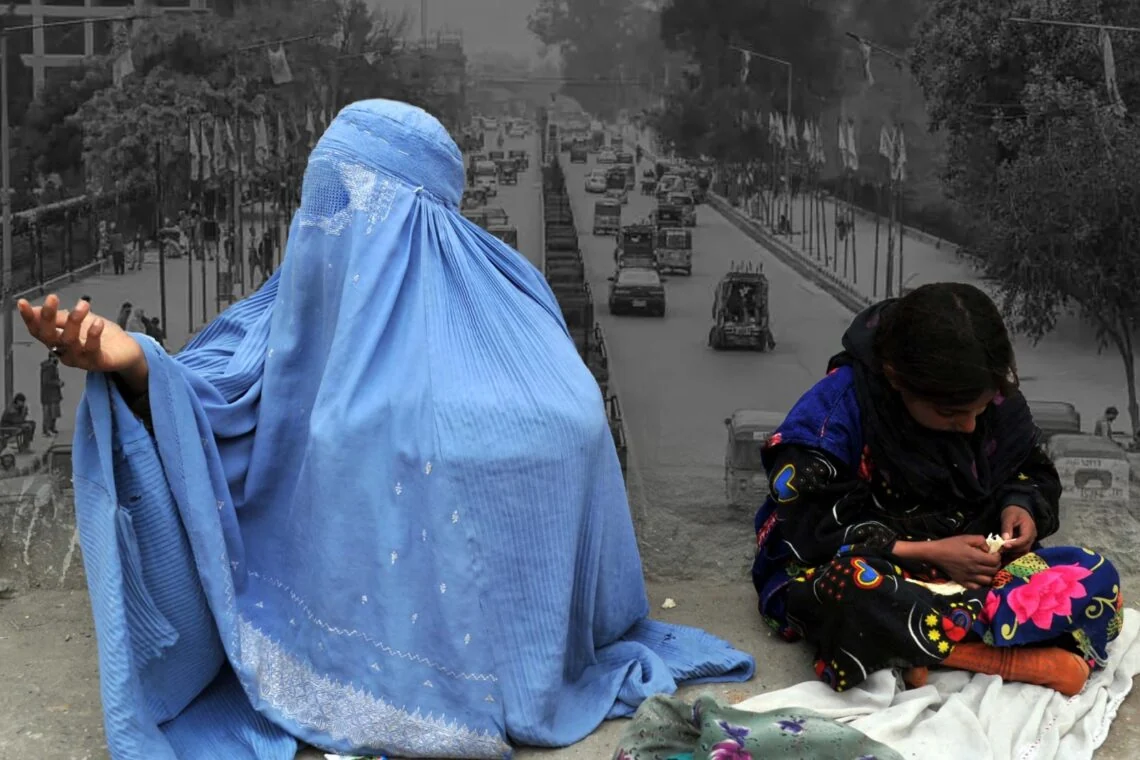
A woman in a blue burqa and a young girl sit on a roadside as poverty and unemployment push families toward begging in Nangarhar. (Photo credit: AFP + Social Media)

AFP + Social Media

A number of residents of Nangarhar province have expressed concern over the rising number of beggars in various parts of the province. They say the spread of poverty and unemployment, along with the return of migrants from Pakistan and a lack of living facilities, has pushed several families to resort to begging to meet their basic needs. Some economic experts say emergency aid could ease part of these families’ problems, but to prevent the spread of poverty and people’s growing dependence on handouts, it is essential to create job opportunities, provide the grounds for work, and offer economic support to families in need.

Shagufa (pseudonym), a resident of Nangarhar province, expressed concern about the growing number of beggars in the province. According to her, people’s economic situation is becoming harder day by day, and many families have been forced into begging because of poverty and livelihood problems.

She said: “Recently, the number of beggars in Jalalabad city has risen dramatically. Wherever we go, on the streets, in the markets, and at the intersections, we see many women and children asking people for help. We ask the Taliban to look into the situation of these families, provide work opportunities for those in need, and not let children spend their days begging on the streets instead of going to school. This situation is truly worrying and needs serious attention.”

Imran Mohammadzai, another resident of Nangarhar, expressed regret over the increase in the number of beggars in the province and said that their number is rising day by day. According to him, the main reason for the increase is unclear, because some of the beggars have come from Pakistan, some have moved from villages to the cities, and others have been active in this field for years.

He added: “The number of beggars in Nangarhar has become very high, and this constant increase has turned into a serious problem and a source of concern among the people. Large parts of the city are now full of beggars.”

This Nangarhar resident said: “Unfortunately, some parents abandon their children in the city and stay at home themselves, while sending their children out to beg on the streets. For example, if four children each beg 200 Afghanis a day, a total of 800 Afghanis is collected daily and 24,000 Afghanis in a month, an amount that is even higher than the monthly salary of some government employees.”

Abdul Ghaffar, another resident of Nangarhar province, also expressed concern about the rising number of beggars in the province. He said the spread of poverty and destitution has forced many needy families, especially widowed women and people without means, to go from one house to another and ask for help to meet their basic needs.

He added: “Many poor people, especially widowed women, are forced to go from one alley to another and ask people for help just to find a morsel of bread. This situation damages their dignity and honor. When I see young girls wandering the alleys to beg, tears flow from my eyes, but unfortunately I am unable to help them.”

Meanwhile, Sair Qureshi, an economic affairs expert, considers the lack of job opportunities and sufficient income for many families to be among the main factors behind the increase in the number of beggars. According to him, the return of migrant families from Pakistan has also increased economic and livelihood pressures in Nangarhar province.

He said: “Imagine a family that has just returned from Pakistan and faces problems such as paying house rent and covering the cost of food, yet none of the family members has found a job opportunity so far. Once the savings of these families run out, some of them are forced to ask others for help to meet their basic needs. Emergency aid is necessary to support these families, but the lasting solution to this problem is to provide job opportunities and create the grounds for a stable income for families in need.”

This comes as last week, several residents of Kabul city also expressed concern about the renewed rise in the number of beggars across the city. They said that despite the Taliban’s plan to round up beggars, many women, children, and men in various parts of Kabul still ask passersby for money and food. According to these residents, women and children make up a significant share of those begging across the city. Kabul residents believe unemployment, economic problems, and the restrictions imposed on women’s work are among the factors behind the spread of begging in the city. In the view of Kabul residents, rounding up beggars from the streets, without addressing their livelihood problems and providing the grounds for work, cannot be a lasting solution to reducing begging.


You can read the Persian version of this report here;
ننگرهار؛ فقر و بیکاری زنان و کودکان را به گدایی کشانده است

ShareTweetSendSendShare

Related Posts

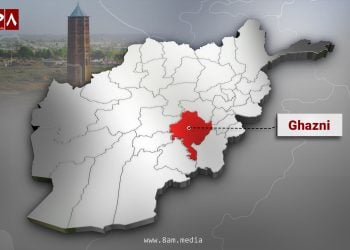
Ghazni province map in red inside a 3D map of Afghanistan.
Afghanistan News

Child Killed in Unexploded Ordnance Blast in Ghazni Province

16 November 2026 [t_time:1794809249]
Official letters from the Taliban governor’s office and a review committee outline proposals for distributing land plots in Helmand’s Ahmadshahi Mina township. (Photo credit: 8am.media)
Daily Reports

Lashkargah’s Ahmadshahi Mina Township: Why Are Former Civil Servants Being Denied Half Their Land Share?

16 November 2026 [t_time:1794806914]
Iran's anti-narcotics chief Hussein Zolfaghari meets Oman's ambassador Ya'arab bin Qahtan Al Busaidi in Tehran. (Photo credit: Shafaqna)
Afghanistan News

Iran: Drug Cultivation in Afghanistan Has Increased Again

16 November 2026 [t_time:1794804775]

Latest

Loading latest news...

Popular stories

  • A scanned copy of the Taliban order outlining new restrictions requiring female doctors to have a mahram when working with male colleagues. (Photo credit: 8am.media)

    Taliban Order Female Doctors to Have Male Guardians to Work With Male Colleagues

    Share
    Share Tweet
  • ISIS-Khorasan: A Real Threat to the People of Afghanistan and a Political Opportunity for the Taliban

    Share
    Share Tweet
  • UN Report Reveals Shifts in Family Attitudes and Rise in Domestic Violence in Afghanistan

    Share
    Share Tweet
  • Taiwan Accuses China of Escalating Military Activities in the Western Pacific

    Share
    Share Tweet
  • World News Day 2024: We need your help

    Share
    Share Tweet

Podcast

Insights
Insights

Join Lynne O’Donnell for 8AM’s podcast series, Insights.
Lynne talks with generals, diplomats, soldiers, journalists, politicians, activists, people who have front row seats for conflicts around the world, and citizens with a story to tell, happy or sad. For this first series, Afghanistan is the focus. Lynne and her guests talk about the collapse of the republic in August, 2021, and the impact since — for the people of Afghanistan, for the security of the region, for the safety of the world. It’s important, interesting and insightful.

Insights/22: Controlling the Narrative with Mina Sharif
byinsights8am

Controlling the Narrative

Lynne O’Donnell talks with Mina Sharif, author, activist, women’s rights campaigner, educator and mentor. They discuss who controls the narrative and who speaks for Afghanistan’s people when the Taliban appear to have seized control not only of the country but of the message, too.

Have a listen

Insights/22: Controlling the Narrative with Mina Sharif
Episode play icon
Insights/22: Controlling the Narrative with Mina Sharif
Episode Description
Episode play icon
Insights/21: Media Meltdown with Zahra Joya
Episode Description
Episode play icon
Insights/20: Terror Inc with Scott Richards
Episode Description
Episode play icon
Insights/19: Busting Stereotypes with Bushra Gohar
Episode Description
Episode play icon
Insights/18: Media Matters with Waliullah Rahmani
Episode Description
Episode play icon
Insights/17: What Goes Around Comes Around with Sima Samar
Episode Description
Search Results placeholder
Hasht-e Subh

8AM Media, also known as Hasht-e-Subh Daily, stands as Afghanistan's premier independent and non-profit newspaper, resonating as a beacon of journalistic integrity since its establishment in June 2007 by esteemed Afghan journalists and human rights advocates. With a steadfast commitment to citizen journalism and civic education, Hasht-e-Subh Daily has earned its place as the most esteemed publication in the nation.

Publisher: Sanjar Sohail
Email: [email protected]
Executive Director: Parwiz Kawa
Email: [email protected]

Read More

Fox News: Iran Threatens to Track Down Two US Navy Officers

Child Killed in Unexploded Ordnance Blast in Ghazni Province

Nangarhar: Poverty and Unemployment Drive Women and Children to Beg

Traditional Pneumonia Remedies Endanger Children’s Lives in Afghanistan

Lashkargah’s Ahmadshahi Mina Township: Why Are Former Civil Servants Being Denied Half Their Land Share?

Editor’s Choice

Every Saturday morning, 8AM MEDIA English Services Department will guide you through the week’s biggest stories from Afghanistan and the international community.

Subscribe

© 2026 - ©Hasht-e Subh Daily

No Result
View All Result
8am.Media
پښتو ویب‌پاڼه
ویب‌سایت فارسی
اۉزبېکچه ویب‌سایت
  • Home
  • News
    • Afghanistan News
    • World News
  • Opinion
    • Editorial
    • Analysis
  • Reports
    • Daily Reports
    • Investigative Reports
  • Society
    • The story of people
  • Women’s Word
  • Columns
    • Three Years After Afghanistan’s Fall: The Taliban’s Resurgence
    • Towards Equality
    • The Resurgence of the Taliban: Two Years Since Afghanistan’s Fall
    • Hebatullah Report Special Edition
    • Resistance for Education Special Edition
    • Special Column on Taliban’s Education Curriculum
    • Nawroz
  • Interviews
  • Contact Us
    • About Us
    • 8AM MEDIA Annual Awards
    • Submit an Article to Hasht-e-Subh
  • 8am.media

© 2026 - ©Hasht-e Subh Daily