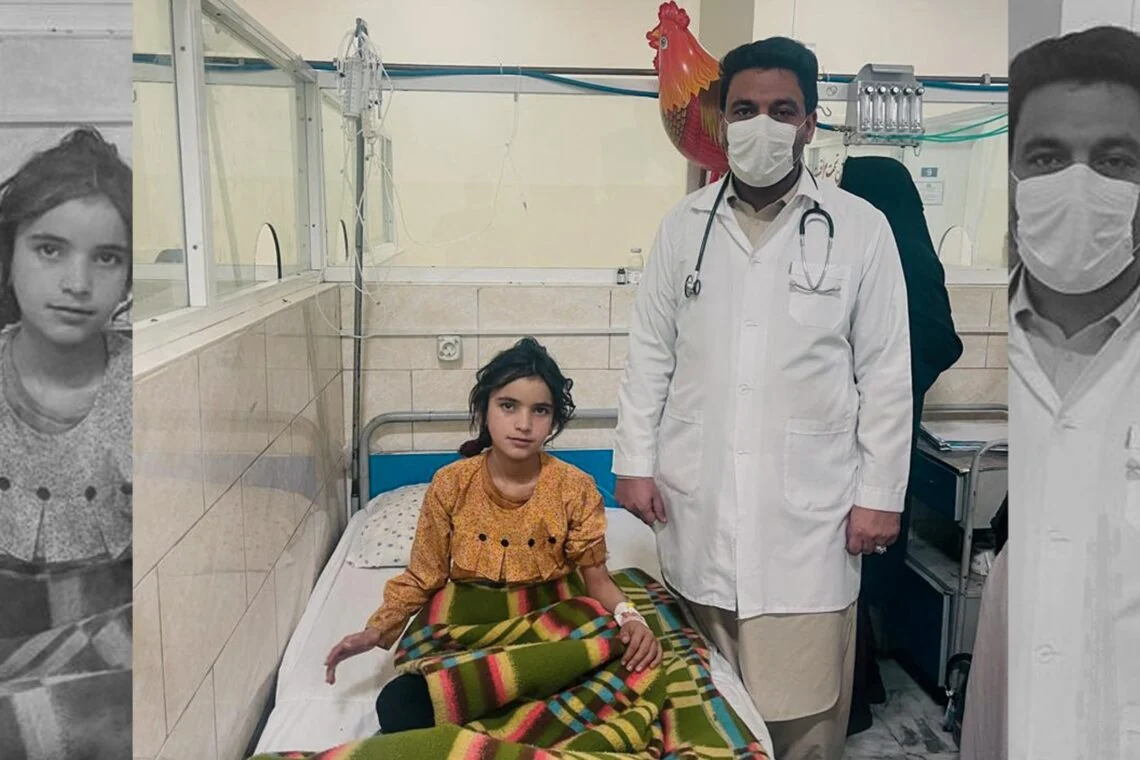
Several pediatric specialists have expressed concern about families, particularly in remote areas of Afghanistan, turning to traditional methods to treat pneumonia in children instead of seeing a doctor. They say that delays in visiting health facilities and the use of traditional methods instead of medical treatment can worsen the condition of children with the disease and increase the risk of serious complications and death. According to these doctors, some families, because of poverty, the lack of standard health facilities, and difficulty accessing doctors, resort to methods such as herbal decoctions and rubbing oil and Vicks on the chest to treat children’s pneumonia. They add that these methods do not cure lung infections, and using them instead of medical treatment can endanger children’s health.
The doctors also warn that although cold weather alone does not cause pneumonia, poor winter living conditions, including the use of polluting fuels and inadequate ventilation in homes, can increase the risk of respiratory diseases and worsen the condition of affected children. They stress that raising families’ awareness about the symptoms of pneumonia, the consequences of self-treatment, and the importance of timely visits to health facilities can help prevent serious complications and reduce deaths from the disease among children.
Atiqullah Mohib, a pediatric specialist, says pneumonia is a respiratory disease that mostly affects children under five, and that cases increase in autumn and winter. He warns that the use of traditional methods to treat the disease, particularly in remote areas, can delay children’s timely access to a doctor and increase the risk of serious complications and death. Mohib stresses that families must take the danger signs of pneumonia seriously, including rapid breathing, chest indrawing, bluish lips, severe lethargy, and pauses in breathing, and that when they notice these signs, they should take the child to a doctor or health facility as soon as possible. According to him, proper nutrition, especially breastfeeding, vaccination, and keeping children away from smoke and air pollution also play an important role in preventing the disease.
The doctor says: “Pneumonia is a respiratory disease that mostly affects children under the age of five, and its cases increase in autumn and winter. Using traditional methods to treat this disease, particularly in remote areas, can delay a child’s visit to a doctor and the start of treatment, and in severe cases, it can increase the risk of death. Families must take danger signs seriously, such as rapid breathing, chest indrawing, bluish lips, severe lethargy, and pauses in breathing, and when they notice these signs, they should take the child to a doctor or health facility as soon as possible. Proper nutrition, breastfeeding, vaccination, and keeping children away from smoke and air pollution are also effective in preventing this disease.”
Mohammad Zubair Hashemi, another pediatric specialist, says that the use of traditional methods, including rubbing oil, opium, and some other substances on the chest and using herbal compounds, cannot cure a lung infection. According to him, some of these methods may cause burns, allergic reactions, and poisoning in children. He warns that replacing medical treatment with home remedies and delaying a visit to a doctor can worsen a child’s condition.
Hashemi says: “Pneumonia is a serious infectious disease, and its treatment must be based on a doctor’s diagnosis. When the cause of the illness is bacterial, the child needs an appropriate antibiotic, and oil, steam inhalation, and herbal compounds cannot replace medical treatment. When parents notice symptoms such as rapid breathing, difficulty breathing, and lethargy, they should take the child to a health facility as soon as possible.”
The doctor also warns against taking antibiotics without a prescription, using leftover medicine from previous illnesses, and stopping a course of treatment without consulting a doctor. He says that not every cough is a sign of pneumonia, and that the diagnosis of the cause of the illness and the choice of treatment must be made by a doctor. According to Hashemi, timely visits to health facilities and the start of appropriate treatment can prevent the progression of the infection, severe breathing problems, and prolonged hospitalization of children.
The doctor stresses: “Parents should not stop a child’s treatment because of a temporary improvement in symptoms, or give the child medicine on their own. Pneumonia in children under the age of five can quickly become serious, which is why early diagnosis and appropriate treatment are very important in preventing the dangerous complications of this disease.”
Meanwhile, a number of families say that, with the arrival of the cold season and the rise in respiratory diseases among children, they face great difficulties because of economic hardship and an inability to pay for treatment.
Ali Jan, a resident of Baghlan province, says there is no clinic in his village and the hospital is far from them. He adds that because he cannot afford transportation costs, the doctor’s fee, and medicine, when his children contract pneumonia, he is forced to take them to a traditional healer in his area.
Ali Jan says: “There is no clinic in our village and the hospital is very far away. We cannot afford the fare, the doctor’s fee, and medicine, so when my children get pneumonia, I have no choice but to take them to the Unani healer at the end of our street. He gives them herbal decoctions and rubs their bodies with Vicks and massages them several times so that they recover.”
Sotuda, a resident of Panjshir province, says, however, that at the first signs of illness, including fever and cough, she takes her children to a doctor and buys the prescribed medicine for them.
Sotuda says: “When my children have a fever or cough, I take them to a doctor to be examined and to get the necessary medicine. If their fever rises, I cool their foreheads with a damp cloth. If a child’s condition is critical, we take the child to the Anaba medical center in the hospital ambulance, and if the ambulance is not available, we use a private car.”
Sattar, a resident of Takhar province, says that the lack of standard health centers and specialist doctors in villages has pushed families toward traditional medicine and self-treatment, a practice that can put children’s health at serious risk.
He adds that poverty and families’ inability to pay for transportation, examinations, and medicine have limited their access to health services and forced many families to rely on Unani medicines and herbal shops.
Sattar says: “Unfortunately, the use of traditional medicine and non-standard treatment methods has become a habit, especially in villages and remote areas of Afghanistan. In many of these areas, either there is no standard health center, or the existing centers lack doctors and necessary facilities. On the other hand, families facing poverty cannot afford to take a child to the city, pay for an examination, and buy medicine, and they are forced to turn to Unani medicines and herbal shops to treat their children, without knowing how effective these methods are or what consequences they carry. This situation is worrying and can put the lives of children with pneumonia at risk.”
Pneumonia is a serious respiratory disease to which children under the age of five, especially infants and malnourished children, are most vulnerable. A weak immune system, indoor air pollution, overcrowding, and limited access to health services can also increase the risk of infection and the consequences of the disease.
According to statistics from the World Health Organization (WHO), more than 845,000 cases of pneumonia were recorded in Afghanistan in the first eight months of 2026. The WHO says that pneumonia kills more than 700,000 children worldwide every year and accounts for 14 percent of deaths among children under the age of five. Also, according to the organization’s statistics, about 740,000 children under the age of five died worldwide from the disease in 2019.
You can read the Persian version of this report here:
درمانهای سنتی سینهبغل؛ تهدیدی جدی برای جان کودکان در افغانستان