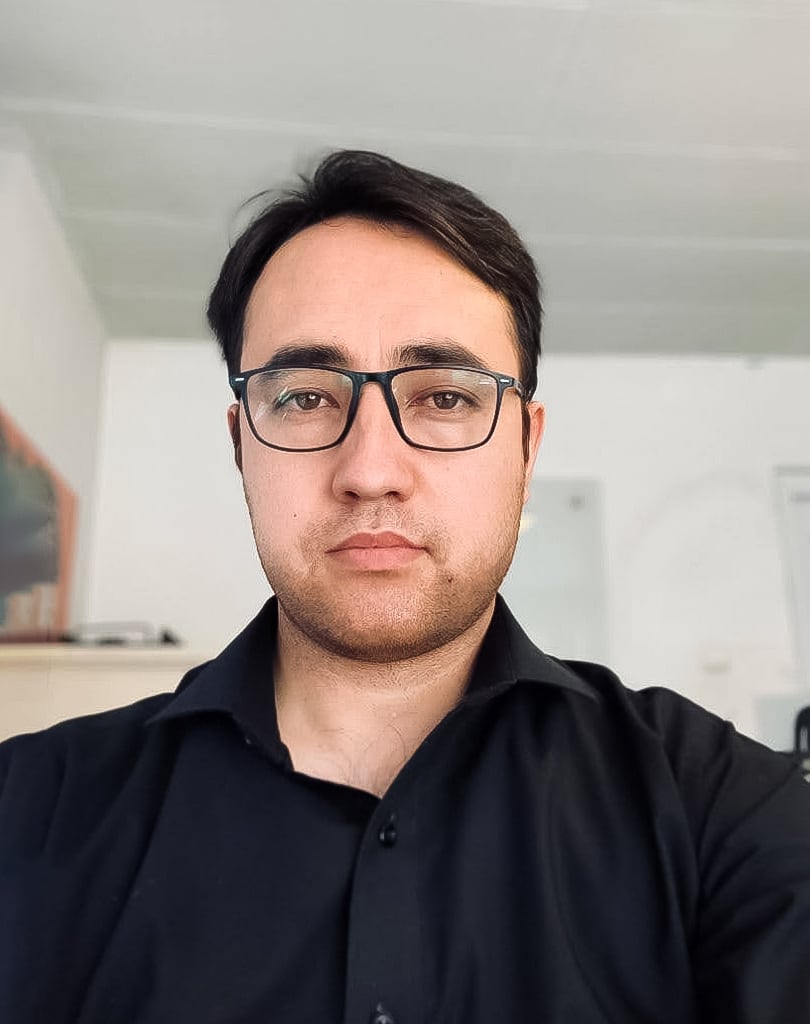

The arrest of three residents of Badakhshan by the Taliban on charges of affiliation with Fawzia Koofi, a former member of the House of Representatives, has sparked widespread reactions. Several social media users have strongly condemned the Taliban’s action, stating that this form of retaliation stands in direct contradiction to all humanitarian principles. At the same time, the relatives of those detained have expressed deep concern over the fate of their loved ones and have called for their immediate release.
The Taliban have arrested three individuals who are reportedly close associates and relatives of Fawzia Koofi, president of the organization “Women for Afghanistan” and a former member of the House of Representatives. To date, no information is available regarding their fate.
The relatives of those detained, expressing concern over the health condition of their loved ones, have stated that the activities of the arrested individuals had no connection to Fawzia Koofi, and that they were employed by an organization that had received permission to operate even from the Taliban.
At the same time, the family members of Engineer Humayoun Khahani and his associates have expressed concern over his health. They have called for his immediate release, stating that he had no political activities whatsoever and was living an ordinary life.
Furthermore, sources report that several days ago, the Taliban raided the house of Fawzia Koofi in the Karte Mamurin area, which served as the office of an organization called Equal for Justice (EFJ), and arrested its staff members, taking them away. According to sources, Sheikh Sabour and Abdul Wakil worked in this office, and it was through them that Humayoun Khahani was also arrested.
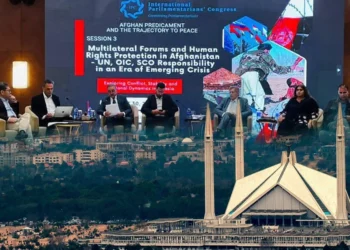
Sources say that the Taliban told Sheikh Sabour to call Humayoun from his phone, obtain his address, and then arrest him as well, transferring him to the Shashdarak area of Kabul. Those close to the detainees say the reason for this action is the Taliban’s attempt to pressure Koofi into refraining from her activities on “international platforms” against the Taliban. According to these sources, Ms. Koofi’s consecutive meetings in London and Islamabad have contributed to the intensification of this pressure.
Sources also report that the wife of one of the detainees approached Taliban intelligence and asked where her husband was, to which the Taliban responded, “Leave, otherwise we will arrest you too.”
Meanwhile, Fawzia Koofi, in a published statement, said that the Taliban, through their “illegitimate” rule, have made the lives of the people of Afghanistan increasingly difficult with each passing day. She added that three months ago, the Taliban raided her private residence and seized it.
The statement reads: “At that time, I did not publicly react to this matter and continued my struggle as usual, because my struggle and our struggle is for the freedom of Afghanistan, not for personal goals. Following this action, my family members and close associates, some of whom were living in that house, were forced to leave and relocate elsewhere.”
Ms. Koofi wrote: “On Tuesday, April 28, the new location was also attacked. During this raid, several relatives and even fellow citizens from Badakhshan who had no family ties to me whatsoever were arrested. Since then, the families of these individuals have had no information about their fate, health condition, or circumstances. Two of them also had pre-existing health conditions. These young men consciously chose to remain in Afghanistan and continue their lives and work as ordinary citizens, alongside forty million other people.”
The statement further reads: “Such an attack is an act of cowardice and demonstrates that the Taliban group is, on one hand, in a state of weakness, instability, and collapse, and on the other hand, that the struggles of the women of Afghanistan have been impactful and decisive. We will continue this struggle until the realization of freedom and the restoration of the dignity and human worth of our people.”
Several women’s rights and political activists have also described the Taliban’s actions as political “hostage-taking” and retaliation, stating that the Taliban, in direct contradiction to all national and international values, are attempting to institutionalize and expand their suppression by imprisoning relatives and confiscating the properties of citizens.
Sima Noori, a women’s rights activist, wrote: “By seizing the home and property of Fawzia Koofi and arbitrarily arresting three of her relatives, the Taliban have once again resorted to political hostage-taking. Two of these young men are seriously ill, and their lives are at risk. We call on human rights organizations to immediately intervene for their release. Join us and be their voice.”
Nahid Farid, a former member of the House of Representatives, wrote: “Fawzia Koofi is the story of a woman who stood against injustice for years and paid the price. She is among those voices that are silenced neither by elimination, nor by pressure, nor by the passage of time. People like her become rooted in the historical memory of the women’s struggles of Afghanistan, roots that no power is capable of uprooting.”
However, Fayazuddin Ghiasi, a former diplomat, told the Hasht-e Subh Daily that the Taliban, through their organized and targeted actions against their opponents, are acting in clear contradiction to the fundamental principles of human rights and accepted international norms. According to him, the continuation of such actions by the Taliban not only reflects a blatant disregard for the fundamental rights of citizens but also further reveals the fragile, fear-based, and illegitimate nature of the Taliban’s governing structure.
Mr. Ghiasi said: “The continuation of policies rooted in discrimination, prejudice, suppression, and structural violence is pushing the country further along a path toward deeper crises. The only way out of this situation and liberation from the oppression of authoritarian tyrants is through strengthening national solidarity, civic resilience, and the responsible support of the international community for the people of Afghanistan.” According to him, the current trajectory is alarming, and he views the mistreatment, destruction, and elimination of national figures, both men and women, as part of the Taliban’s discriminatory and monopolistic policies, considering the recent actions against Ms. Koofi and other national figures as a continuation of this dangerous approach.
You can read the Persian version of this report here:
بازداشتهای زنجیرهای و غصب خانهها؛ فشار جدید طالبان برای خاموشسازی مخالفان