Since the establishment of Pakistan to the present day, the relations between this country and Afghanistan have witnessed numerous ups and downs, occasionally escalating to full-scale military confrontations. Before the wars, some Afghan policymakers attempted to exert pressure on the Pakistani government by advancing territorial claims and strengthening the discourse of Pashtun nationalism in Afghanistan and certain tribal regions of Pakistan. Their objective was to compel Pakistan to respond positively to Afghanistan’s requests. However, due to the longstanding enmity with India, Pakistani authorities consistently favored the establishment of a government in Afghanistan that either opposed India or, at the very least, was not a close ally. They also aimed for this Afghan government to fulfill Pakistan’s strategic needs.
Pakistani strategists believe that Pakistan’s geographical features necessitate a presence in Afghanistan to achieve strategic depth in its conflicts with India. They continue to hold the belief that for Pakistan to attain strategic depth in Afghanistan, it should work towards creating conditions for the emergence of a weak and pliable government in Kabul.
The establishment of the pro-Moscow regime in Afghanistan and its subsequent occupation by the former Soviet Red Army provided Pakistan with a golden opportunity. With comprehensive support from the West, Pakistan seized the chance to expand its intelligence and ideological influence in Afghanistan, strengthening its proxy groups in the country. During this period, Pakistan, newly armed with nuclear weapons, wielded considerable influence in shaping events in Afghanistan, acting as it saw fit.
The peak of Pakistan’s influence and intervention became evident when the country played a direct role in founding the Taliban group. According to documentation, as well as the testimonies of journalists and Pakistani politicians, Pakistani government officials, particularly the military leaders who wield real power in Pakistan, were directly involved in the creation of the Taliban group.
The presence of millions of Afghan citizens in Pakistani territory, who had fled the war, created an optimal opportunity for the Pakistani government. In addition to receiving assistance and privileges from international migration organizations, Pakistan utilized the migrants to further its interests within Afghan borders. One of the most significant actions taken by the Pakistani government, with the support of then-President General Zia-ul-Haq, was the establishment of hundreds of religious schools in Peshawar and border tribal areas. This was a pivotal move aimed at solidifying Pakistan’s influence in Afghanistan. The consequences of establishing these schools became evident in the mid-1990s with the emergence of the Taliban phenomenon.
The Pakistani government has often approached the issue of millions of Afghan immigrants in its territory not as a human rights concern but rather as a political and intelligence matter. It appears that the current Pakistani government is once again addressing the Afghan migrant issue politically, aiming to leverage it for the realization of its desired objectives. Since the new intrim government took office in Pakistan, the issue of Afghan migrants in Pakistan has become a heated topic once more.
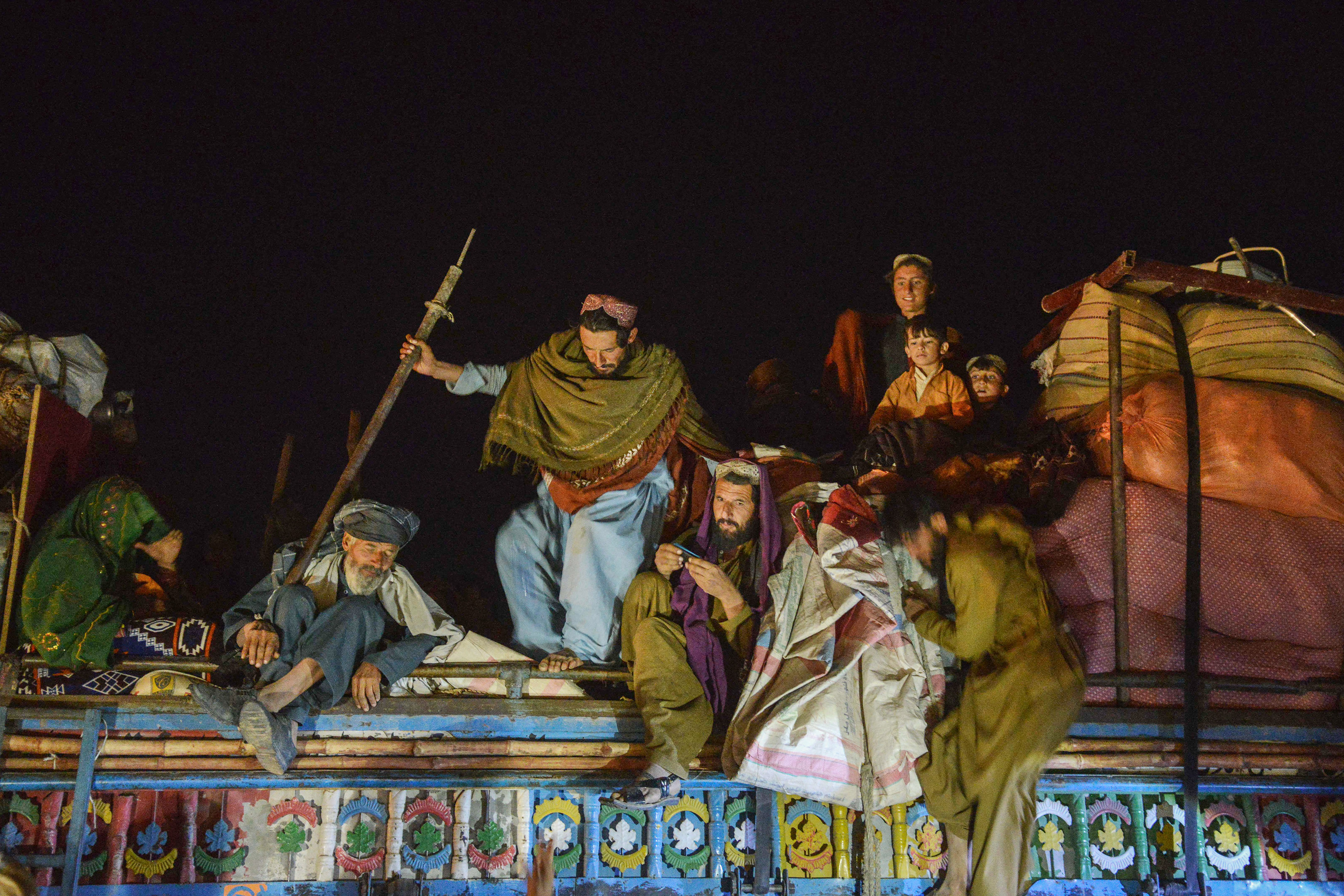
According to the Pakistani Ministry of Interior, the government has successfully deported approximately 500,000 Afghan migrants from Pakistan. The question arises: what factors and motivations have led the interim government of Pakistan, led by Anwaar-ul-Haq Kakar, to vigorously pursue the expulsion of “illegal immigrants” from Pakistan? Various speculations exist in response to this question.
Pressure on the Taliban
There is no doubt that Pakistan has provided comprehensive support to the Taliban from the outset until their recent victory. This extensive support has led Pakistan to have heightened expectations from the Taliban, demanding strict compliance with its directives. However, the reality is that despite the Taliban being nurtured by Pakistan, they face constraints in executing its commands. One of these limitations is evident in the Taliban’s dealings and interactions with the Tehrik-i-Taliban Pakistan (TTP).
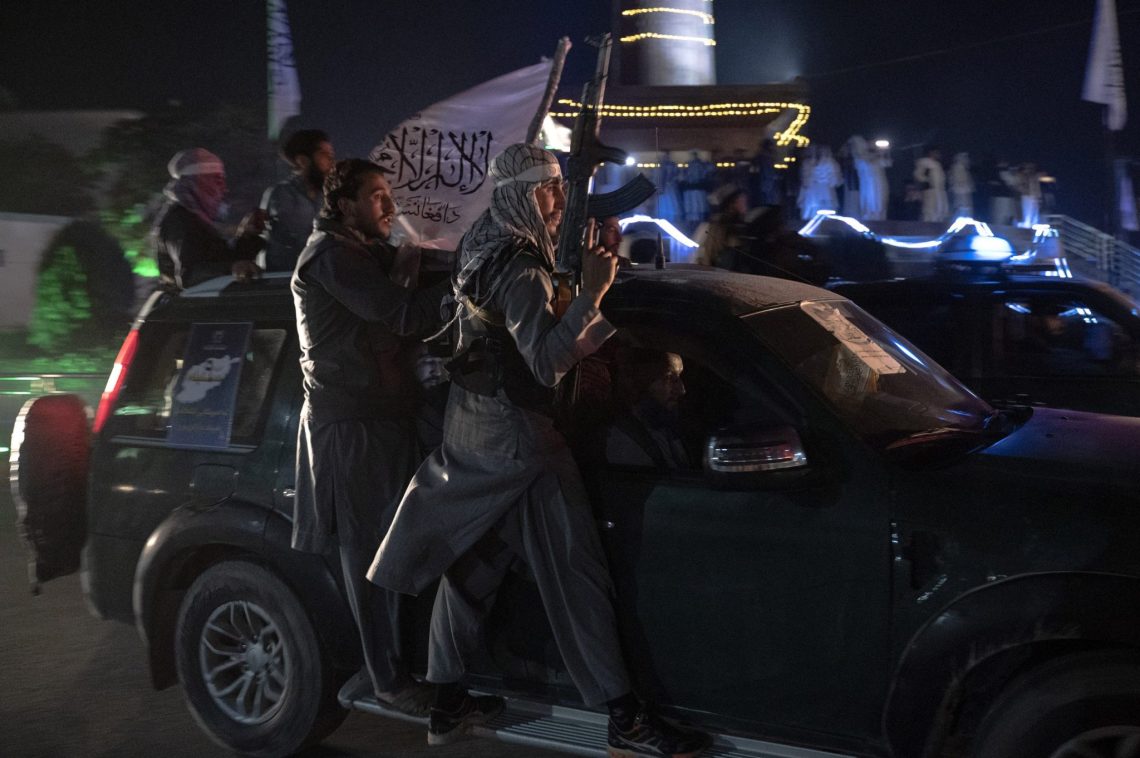
The Pakistani government insists on reducing the TTP’s presence to zero in Afghanistan and preventing its armed members from being present in the country. Meanwhile, the Taliban have had long-term dealings and cooperation with the TTP, and it is not feasible for them to abruptly distance themselves from their past. The TTP has actively collaborated with the Taliban in overthrowing the republic system in Afghanistan and gained experience and maturity by fighting alongside the Taliban against the established government in Afghanistan.
At least some factions within the Taliban maintain close ties with Tehrik-i-Taliban Pakistan (TTP), and if the Taliban leadership decides to expel the TTP from the country, there is a strong likelihood of discontent among many Taliban members. The Taliban leadership fears that suppressing the TTP could lead to a loss of unity within their ranks.
Despite all circumstances, the Taliban have, to the extent possible, minimized the presence and activities of the TTP in Afghanistan. They have reportedly arrested some commanders of this group, and there are even claims of collaboration with the Pakistani government in killing certain prominent TTP leaders. However, it seems that Pakistan is not satisfied with the Taliban’s partial actions against the TTP. Pakistan urges them to betray their fellow insurgents and hand them over, surrendering them to Pakistan.
The Taliban have always been accused of dependence on Pakistan. Therefore, following their return to power, they strive to demonstrate independence from Pakistani intelligence. Critical statements from Mullah Yaqoob, the Taliban’s defense minister, and other Taliban officials against Pakistan can be evaluated in this context. Given this, if the Taliban openly and unilaterally suppress the TTP, they will undoubtedly be perceived in the public opinion of Afghanistan as a mercenary and obedient group of Pakistan. All their previous claims of independence and patriotism will be called into question.
It should not be forgotten that Pakistan created and nurtured the Taliban to exploit them for its long-term regional objectives. While the Taliban have largely contributed to achieving those goals, groups similar to the Taliban cannot be managed indefinitely. The disagreement between the Taliban and Pakistan over the Tehrik-i-Taliban Pakistan (TTP) is serious and genuine. The Taliban do not intend to easily abandon providing refuge to the TTP. Currently, Afghanistan serves as a sanctuary for several extremist groups from South Asia, the Central Asia, and the Middle East. The killing of Ayman al-Zawahiri in one of the residential areas of Kabul has dispelled all doubts and suspicions in this regard. Even ISIS Khorasan (IS-K), considered a top enemy of the Taliban, has shown increased activities in Afghanistan with the resurgence of the Taliban. Pakistan, which once sowed the wind, must now reap the whirlwind.
It appears that one of the motivations for the interim government of Pakistan in expelling “illegal Afghan immigrants” is to exert pressure on the Taliban to take more tangible actions against the Tehrik-i-Taliban Pakistan (TTP) in Afghan territory. Pakistanis correctly understand that with the collapse of the republic system, Afghanistan’s economy is fragile, and the influx of hundreds of thousands of migrants into the country exacerbates its problems, putting more public pressure on the Taliban. Perhaps what the Pakistanis have not considered in their calculations is that the Taliban have not come to power based on popular support, and they do not rely on garnering public support for their survival. The Taliban have forcefully seized power and do not value public sentiment highly. Therefore, it is unlikely that the expulsion of Afghan migrants can bring about a short-term change in the way the Taliban deal with the TTP. It is even possible that the Taliban, using Pakistan’s approach to Afghan migrants, could incite patriotic and national sentiments among the people and, in a way, legitimize themselves among the public.
Exacerbating Internal Tensions
The forced expulsion of Afghan migrants from Pakistan may serve as a multi-pronged strategy for the Pakistani government. One of its motivations could be to exploit internal tensions to weaken Afghanistan. It’s known that Pakistan has historically not favored the emergence of a strong and efficient central government in Afghanistan. The enmity of this country towards the republic system, along with its unequivocal support for the Taliban, has been evident. Some Pakistani officials might entertain the notion that repatriating millions of migrants to Afghanistan, who have historically witnessed internal tensions and conflicts, would create conditions for further strife. The massive returning migrant population will require resettlement, adding complexity to the existing land and farm division disputes in Afghanistan. Throughout history, there have been credible reports that during the reign of Zahir Shah, significant portions of fertile lands belonging to the native people of northern Afghanistan were forcibly seized by the government and allocated to groups migrating from other parts of Afghanistan or even tribal regions of Pakistan.
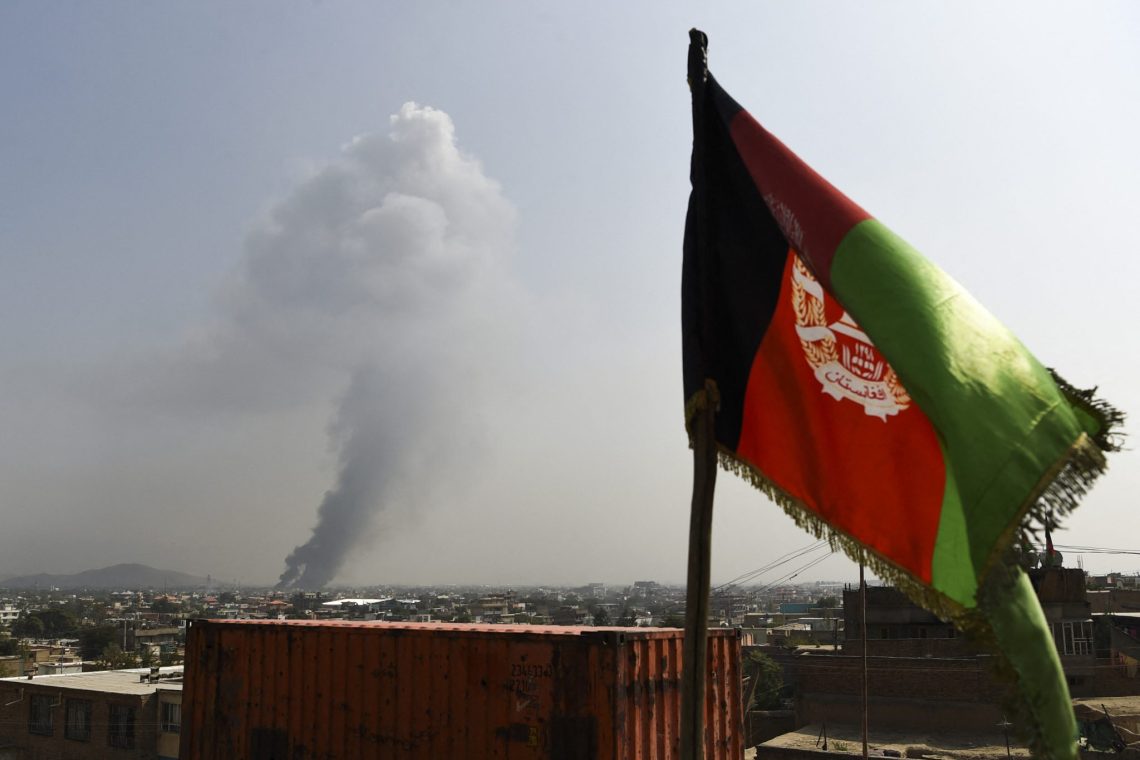
If the Taliban follow their previous approach and resorts to violence in redistributing lands to the returning migrants from Pakistan, ethnic and tribal tensions will likely escalate once again, fostering increased pessimism and mistrust among different ethnic communities. In this scenario, the real beneficiary is the Pakistani government, which, by laying the groundwork for inciting internal tensions, perpetuates discord and division in Afghanistan for years, rendering the already fragile country even weaker. There is even the possibility that Pakistani intelligence, among the returning migrants, may manipulate individuals and groups to serve Pakistan’s intelligence and geopolitical objectives. Additionally, there is a real possibility that ISIS Khorasan (IS-K) could recruit from among the returning migrants. Typically, when migrants are repatriated, specific places and spaces are allocated for their settlement, creating a certain degree of detachment from the rest of society for a while. Experience has shown that radical and fundamentalist groups make the best use of such environments.
Taliban’s shrewdness, currently in control of the country with no other groups present on the scene, could prove effective in neutralizing these goals of Pakistan. The Taliban must exercise caution in the resettlement of returning migrants from Pakistan, taking into account ethnic and linguistic sensitivities and avoiding burdening the indigenous people. One of the primary motivations sustaining the conflict in Afghanistan has been the existence of ethnic and religious tensions in the country. If the Taliban fail to address and mitigate these tensions, the war in Afghanistan will persist. Pakistani strategists have long believed that a turbulent and chaotic Afghanistan is more favorable for Pakistan than a stable and peaceful one.
Potential Humanitarian Catastrophe and Growing Threat of ISIS Expansion
The mass expulsion of migrants from Pakistan is one of the major human rights violations by the Pakistani government, drawing criticism from international organizations. Observers are puzzled as to why relevant international bodies have not yet shown a serious response to this action by Pakistan, and policymakers in the country have not faced sufficient pressure to desist from continuing this course of action. The United Nations High Commissioner for Refugees (UNHCR) recently issued a warning that the indiscriminate expulsion of Afghan migrants from Pakistan could have catastrophic consequences. The organization added that if shelter is not provided for these migrants, there is a risk of casualties, especially considering that many of them are not accustomed to the cold weather of Afghanistan, having lived in Pakistan for several generations.
Millions of Afghan residents currently rely on global assistance for their livelihoods, and if these aids are cut off, the likelihood of a catastrophe increases. The return of hundreds of thousands of migrants to the country has compounded problems and intensified the humanitarian crisis. The Taliban regime’s economy lacks the strength to adequately respond to humanitarian disasters. The recent earthquake in Herat province vividly showcased the incompetence and inefficiency of the Taliban government. Therefore, without the assistance of international organizations, the Taliban can’t provide shelter for the hundreds of thousands of migrants returning from Pakistan. Winter has now arrived, but the Taliban have not taken significant action to prevent a disaster. Taliban officials continuously appeal for help from international organizations. It seems that the primary responsibility for saving the people of this country lies with aid organizations. Interestingly, the Taliban shamelessly interfere in the distribution process of aid and misappropriates at least part of it. If the charity aid is insufficient, they turn to the people, burdening citizens with heavy taxes and additional crippling levies, making them even more destitute. Reports are indicating that the Taliban forcibly collect money from residents in certain parts of Kabul under the pretext of helping migrants returning from Pakistan. The Taliban are not prepared to deal effectively with humanitarian crises. They lack both the knowledge of the profession and the willingness to appoint qualified individuals to lead such matters.
Regardless of the Pakistani government’s claim that among Afghan migrants residing in Pakistan, there are individuals who are posing a threat to Pakistan’s security, and regardless of whether the mass expulsion of migrants by the interim Pakistani government’s can weaken the TTP or not, what is certain is that Pakistan’s treatment of Afghan migrants, according to internationally accepted definitions, has been inhumane and a clear violation of refugee rights.
What makes the situation more challenging for the expelled migrants is the absence of a legitimate government in their home country with both international and domestic legitimacy. Perhaps one of the factors that has emboldened Pakistan to act more boldly in this regard is the lack of a legitimate and popular government in Afghanistan. Such incidents should make people more vigilant than ever before and compel Afghan elites to think of solutions to address the problem of the lack of a legitimate political system in Afghanistan.
The absence of a legitimate, law-abiding government familiar with the pains and problems of the people in Afghanistan exacerbates the hardships of the grief-stricken Afghan citizens. Under such a system, new disasters and calamities may befall the displaced people at any moment.
According to analysts and international observers, Afghanistan is currently turning into a haven and stronghold for global extremists. Alongside groups aligned with the Taliban, which have historically had dealings, friendship, and collaboration with this group and are now operating in Afghanistan, ISIS Khorasan (IS-K) is another faction that, during the Taliban’s two-and-a-half years in power, has predominantly targeted religious figures and religious minorities with massacres.
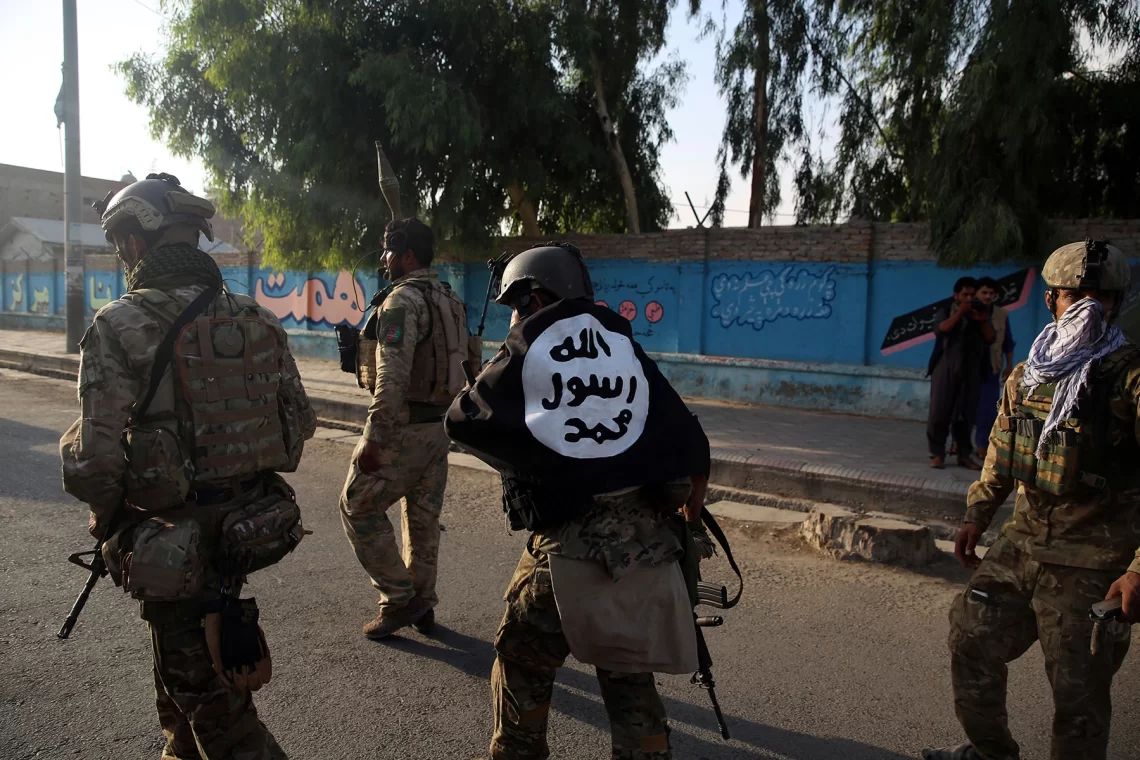
There is particular concern that ISIS will exploit the frustration and dissatisfaction of returning migrants to Afghanistan, extending its influence among them. In such a scenario, the return of migrants could provide fertile ground for the bloody massacres of ISIS and other extremist groups.
The withdrawal of international forces from Afghanistan has left a considerable void, and filling this gap is a challenging task for the Taliban. In light of current events, the outlook for Afghanistan’s future is far from optimistic.