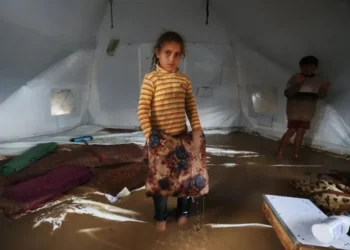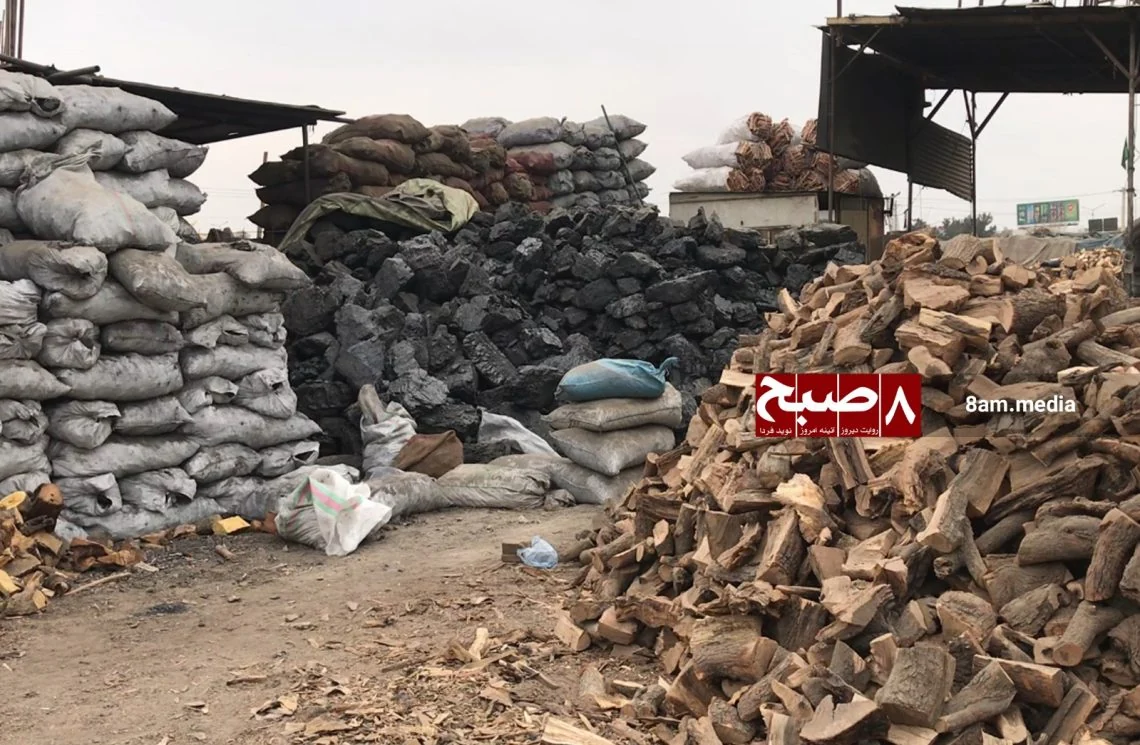
Several Kabul residents say they are worried about rising fuel prices and their inability to afford fuel as winter approaches. They say that every winter, higher fuel prices have been one of the serious problems facing families, but the poor economic situation and people’s reduced purchasing power have deepened the concerns this year. According to these residents, even if fuel prices fall, many low-income families still cannot afford to buy it.
Gholam Rasool, a Kabul resident, says he visited several firewood sellers to check prices but could not afford the firewood he needs with the money he has.
Gholam Rasool adds: “I went around most of the firewood shops, but I could not afford to buy anything. Unemployment has increased, and I am sick myself. The Taliban should help poor people.”
Zaman, another Kabul resident, says the price of firewood has increased compared to last year, and that this has deepened the worries of low-income families as winter approaches. According to him, despite economic hardship and financial incapacity, many families have no choice but to obtain the fuel they need for winter by any means possible. He says: “The price of firewood has gone up compared to last year. People are poor and cannot afford it, but they have no other option and are forced to buy fuel for the winter.”
Hadia, another resident of Kabul who is the head of a family of seven, says that because of rising prices for basic goods and fuel, they are facing severe economic problems and cannot even meet their family’s basic food needs. She says: “We are facing many problems. The price of everything has gone up, and we cannot afford anything. This year, the prices of all items, including food and fuel, have risen significantly.”
Abdul Razaq, a Kabul resident, says rising fuel prices are among the major problems that bring greater hardship to citizens every year as winter arrives. He adds that as the weather turns cold and winter approaches, securing fuel has become one of families’ main concerns, and that higher prices increase the economic pressure on people, especially low-income families.
He says: “When winter arrives, the weather gets cold, and one of people’s major problems in this season is getting fuel. Rising fuel prices add to people’s problems.”
Parwiz (pseudonym), another Kabul resident, says that even if fuel were cheap, the poor economic situation of people, including himself, would make it difficult to afford. He says: “Those of us who work as day laborers face many problems. We can barely cover the costs of food, house rent, and medical treatment. Now the rise in fuel prices has added another burden to our problems.”
He adds: “We ask the Taliban to set a fixed price list from now, before winter arrives, and to monitor prices so that everyone can buy the fuel they need. Otherwise, poor people will once again use shoes, plastic, leather, and similar materials to heat their homes.”
This comes as the Food and Agriculture Organization of the United Nations (FAO) and the World Food Programme (WFP) warned in late October that an estimated 19.2 million people in Afghanistan are expected to face acute food insecurity this winter, and that cases of malnutrition will increase in 2027.
In a published report, the two organizations had said that 38 percent of the population of Afghanistan will face acute food insecurity between November and April.
The United Nations Office for the Coordination of Humanitarian Affairs (OCHA) in Afghanistan had also warned on October 20 that with the arrival of winter, about 19 million people in Afghanistan are expected to face the risk of hunger.
Olga Cherevko, a spokesperson for OCHA, had said that nearly 16 million people in Afghanistan are facing crisis-level food insecurity and 3.4 million are living in emergency conditions.
You can read the Persian version of this report here:
نزدیکشدن زمستان؛ خانوادههای فقیر کابل از خرید مواد سوخت ناتوان هستند