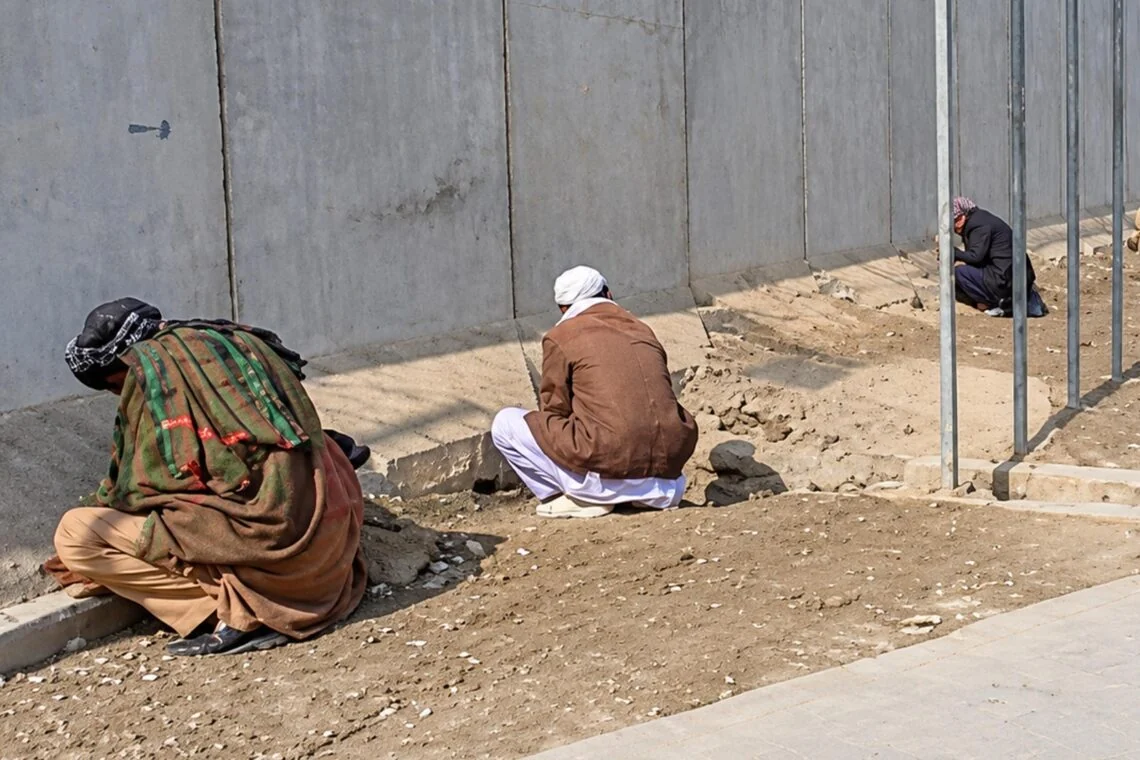
A number of Kabul residents have expressed concern over the shortage of public toilets in various parts of the city. They say the problem has existed in Kabul for years and that no effective action has been taken so far to address it. According to them, people who leave their homes to carry out daily tasks are forced to relieve themselves in open spaces because there are no public toilets. Meanwhile, doctors warn that this situation could facilitate the spread of infectious diseases, contaminate water sources, and threaten public health, and they stress the need to build clean and accessible public toilets.
Hassan, a resident of the Rishkhor area of Kabul, says Kabul Municipality has not paid serious attention to the shortage of public toilets in the city, either in the past or now. He adds: “Building public toilets is among the responsibilities of Kabul Municipality, but neither the previous municipality nor the municipality under Taliban control has paid serious attention to this issue. When a traveler comes to the city from a district and cannot find a toilet, he is forced to use any place possible to relieve himself. We are young and still face difficulties. Now imagine how an elderly person with less physical strength can wander around the city for hours and not find a toilet.”
Shamsullah, a resident of the “90 Family” area of Kabul, and Nargis, a resident of Karte Naw, consider the shortage of public toilets one of the serious challenges for women in the city. According to them, the lack of such facilities leaves women with greater restrictions than men when they need to relieve themselves. They call on the municipality under Taliban administration to take action to resolve the problem.
Shamsullah stresses: “The lack of public toilets for women is a serious problem. Women cannot relieve themselves anywhere they wish, as men do. Unfortunately, along roadsides and beside rivers, some people have chosen spots to relieve themselves, and this situation must be addressed.”
Nargis says: “The shortage of toilets across Kabul is one of the serious problems, and it creates difficulties mostly for pregnant women, patients and elderly people. Consider this: if someone is in urgent need, there is not even a single toilet in the whole city that can be used for a fee. I have never had the experience of using such sanitary facilities, and this is truly worrying.”
Shir Agha, a resident of the Karte Char area of Kabul, says the lack of public toilets in crowded areas has made it difficult for elderly people and patients to access such facilities. According to him, Kabul Municipality should include the construction of public toilets in busy areas, including Sarai Shamali, in its urban services plan.
The Kabul resident says: “Everything is being built in the city, but people’s need for public toilets is ignored. When an elderly or sick person needs a toilet, he cannot go to the upper floors or distant corners of commercial centers to find one. Public toilets should exist, especially in the crowded parts of the city, so that people do not face such problems. When these facilities are not available, people are forced to use public spaces and unsuitable places to relieve themselves.”
Tamim, another Kabul resident, says the shortage of public toilets is not the only reason for open defecation. He says some citizens’ disregard for cleanliness and their failure to use available facilities also worsen the problem. According to him, even though toilets exist in some mosques and commercial centers, several men still relieve themselves along roads and in public spaces.
The young man says: “Although Kabul does not have as many public toilets as people need, it cannot be said that there are no facilities anywhere. Every area has a mosque and an ablution facility, and people can use their toilets. Still, some people choose roadsides to relieve themselves out of ignorance or laziness. We should raise awareness among people through the media so that they use existing facilities, even the toilets in shops, and refrain from polluting public spaces.”
Alem, a resident of Sarai Shamali in Kabul, says the shortage of public toilets in this area has made it difficult for citizens to access sanitary facilities. According to him, the existing public toilets charge 10 Afghanis for their services, but they are not properly cleaned, and many citizens do not know where they are located.
The Kabul resident says: “There are not enough public toilets in this area, and the ones that do exist can be used only by paying 10 Afghanis, but unfortunately they are neither clean nor up to standard. We hope this problem receives attention so that people do not have to wander around when they are in need. On the other hand, many residents do not even know where these existing toilets are.
Meanwhile, several doctors warn that open defecation and the resulting contamination could facilitate the spread of infectious diseases and endanger public health. They stress that building clean and accessible public toilets, managing sewage properly, and raising citizens’ awareness are important ways to prevent the spread of these diseases.
Hamed Wardak, a doctor, says open defecation can facilitate the transmission of infectious diseases, including cholera, dysentery, typhoid fever, hepatitis A and E, and parasitic diseases. According to him, human feces can contaminate water sources through rainfall and sewage flow, and flies, contaminated hands, and contact between food and contaminated soil also play a role in the transmission of pathogens.
Mr. Wardak says: “Open defecation is a major factor in the transmission of infectious diseases and a serious threat to public health. It can lead to the spread of diseases such as cholera, dysentery, typhoid fever, hepatitis A and E, and parasitic diseases. In densely populated urban environments such as Kabul, this problem can cause outbreaks of disease, more visits to health centers, and even deaths.”
The doctor adds: “Raising public awareness plays a fundamental role in reducing this problem, but awareness alone is not enough and must be accompanied by providing suitable facilities. Building enough clean and accessible public toilets, supplying safe drinking water, managing sewage properly and raising awareness through the media and mosques are essential measures to prevent the spread of diseases.”
According to reports published in 2021, there are about 40 public toilets in Kabul, while the city’s population is estimated at more than six million. On this basis, there are more than 150,000 people per public toilet.
You can read the Persian version of this report here:
کمبود تشنابهای عمومی در کابل؛ پزشکان: سلامت مردم در معرض خطر است