• 8AM.MEDIA
  • ویب‌سایت فارسی
  • پښتو ویب‌پاڼه
  • اۉزبېکچه ویب‌سایت
  • Podcast
Sunday, September 13, 2026
Hasht-e Subh
  • Home
  • News
    • Afghanistan News
    • World News
  • Opinion
    • Editorial
    • Analysis
  • Reports
    • Daily Reports
    • Investigative Reports
  • Society
    • The story of people
  • Women’s Word
  • Columns
    • Three Years After Afghanistan’s Fall: The Taliban’s Resurgence
    • Towards Equality
    • The Resurgence of the Taliban: Two Years Since Afghanistan’s Fall
    • Hebatullah Report Special Edition
    • Resistance for Education Special Edition
    • Special Column on Taliban’s Education Curriculum
    • Nawroz
  • Interviews
  • Contact Us
    • About Us
    • 8AM MEDIA Annual Awards
    • Submit an Article to Hasht-e-Subh
  • 8am.mediaBack
Subscribe
No Result
View All Result
  • Home
  • News
    • Afghanistan News
    • World News
  • Opinion
    • Editorial
    • Analysis
  • Reports
    • Daily Reports
    • Investigative Reports
  • Society
    • The story of people
  • Women’s Word
  • Columns
    • Three Years After Afghanistan’s Fall: The Taliban’s Resurgence
    • Towards Equality
    • The Resurgence of the Taliban: Two Years Since Afghanistan’s Fall
    • Hebatullah Report Special Edition
    • Resistance for Education Special Edition
    • Special Column on Taliban’s Education Curriculum
    • Nawroz
  • Interviews
  • Contact Us
    • About Us
    • 8AM MEDIA Annual Awards
    • Submit an Article to Hasht-e-Subh
  • 8am.mediaBack
No Result
View All Result
Hasht-e Subh
No Result
View All Result

From Mahdi to Fateh: Lessons to Learn

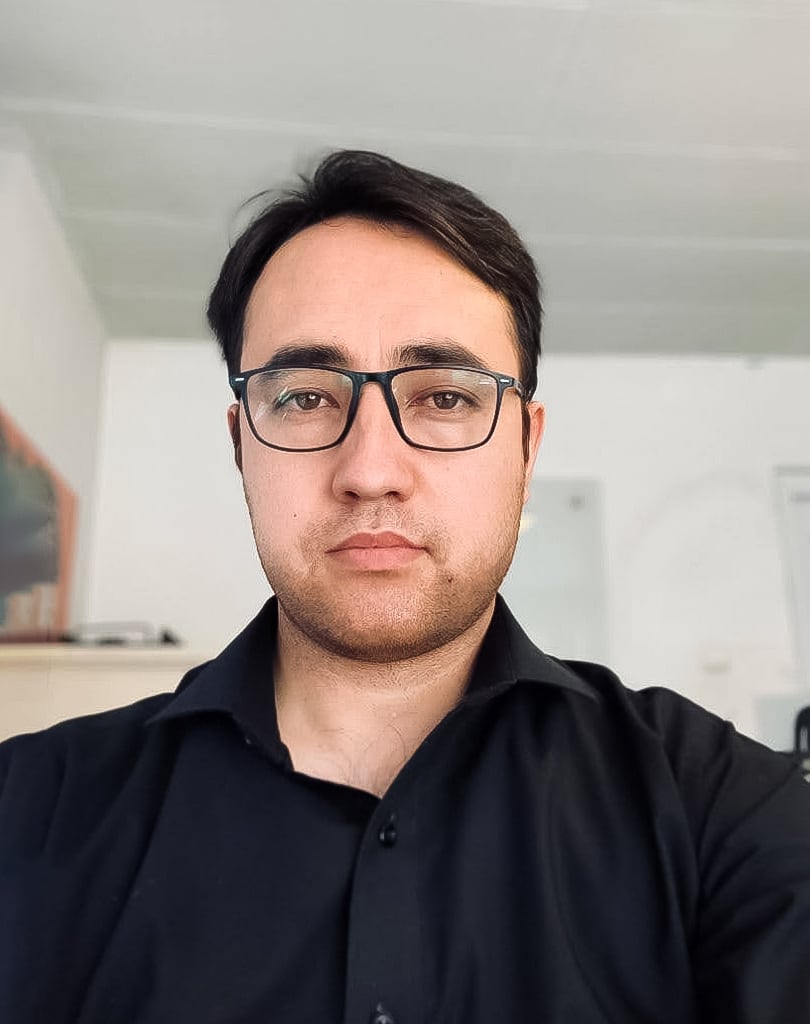
Translated by Farhad Farhaad | Originally written in Persian by Shujauddin Amini

Mohammad Mohammad
20 August 2026 - Solar Hijri Date: 1405/05/29 [t_time:1787236663]
Mawlawi Mehdi Mujahid, left, and Juma khan Fateh, two non-Pashtun Taliban commanders whose fates expose the group's ethnic divides. (Photo credit: Social Media)

Social Media

Mawlawi Mahdi Mujahid was a devoted foot soldier of the Taliban. He was also non-Pashtun and an outsider within the group’s regime. Unlike many others, he was not an unquestioning follower of the Taliban Supreme Leader’s decisions, and in some instances he acted as a rights-seeker, making decisions regarding the territory under his authority that diverged somewhat from Kandahar’s will. In the end, he was ruthlessly suppressed and disappeared. The story of Juma Khan Fateh is much the same as that of Mahdi Mujahid, with the difference that the former has not yet been eliminated, at least so far, though his throne and crown have fallen. From these two similar, yet newsworthy and controversial stories, cautionary lessons can be drawn.

1) Over the past five years and several days, it has become clear that in the Taliban’s view, “ethnicity” takes precedence over everything else, even over “religiosity.” This means that even if you are more extreme than the Taliban in religious devotion and practice, if you do not share ethnicity with this group, you deserve humiliation rather than honor and respect. Given this, it is clear that non-Pashtun Taliban members cannot attain a worthy status within the group’s regime, even if they sacrifice their lives repeatedly. The few who have been appointed to positions mostly hold duties rather than authority, and they harbor no doubt in their absolute obedience to Kandahar. Look at the fate of Mahdi and Fateh, who were more “Talib” than Pashtun Taliban themselves; that is, they conquered trenches for the Taliban and plowed lands; they inflicted oppression on the people of Balkhab and Darzab; they put numerous soldiers to the sword; they opened the gates of many districts and provinces to the Taliban and performed many similar services. Of course, it was not only Mahdi and Fateh; others among Tajiks and Uzbeks have done the same, but their reward has been removal from the scene or forced relocation to provinces where, as Juma Khan put it, neither do local people understand their language nor do they understand the language of the locals. In other words, both those relocated and the residents suffer. It would be more accurate to say that this is not an appointment to service but a sentence of “exile.”

Right now, the Taliban’s internal crisis in Badakhshan has an available solution: entrusting affairs to local Taliban members, something the regime does not want and finds distressing. On the contrary, this option is attractive and would seem effective for local Taliban, and likewise for most residents. Here, the Taliban sacrifice “competence” for “loyalty,” meaning that no matter how qualified locals may be, since they are not considered loyal (in the regime’s view), they are pushed to the margins. Conversely, non-locals (mostly known as Southern Taliban) are valued and elevated no matter how incompetent they may be, because they are not already under suspicion and the regime feels assured they will not betray it. This approach has caused other underlying causes of conflict (plundering underground resources, unauthorized use of military equipment, secretive contracts with foreign companies, and lack of accountability to the people) to be pushed aside, while only the overreach of the Southern Taliban into the lives of Badakhshan residents remains in focus, with the dichotomy of “Badakhshani Talib” versus “Southern Talib” dominating media headlines.

2) The Taliban have shown that the principle of “obedience” forms the central pillar of the group’s regime, such that all other pillars of the regime are defined and given meaning under this one. For this reason, Taliban officials and the group’s propaganda apparatus promote, day and night, the importance of upholding the principle of obedience within their envisioned Islamic system, and encourage public opinion to adhere to it. This excessive emphasis on the principle of obedience has caused the Taliban regime to rest on the judgment of a single individual, and worse, for that judgment to acquire a sacred status, with opposition to it warranting severe punishment. On this basis, Taliban members, non-Taliban, and Taliban opponents alike are compelled to comply unconditionally; otherwise they will meet the same fate as Mahdi and Fateh.

Adherence to the principle of obedience is so important to the Taliban that it even transcends ethnic boundaries, meaning that even a Pashtun Talib who does not submit to this principle is regarded as defiant and condemned to removal from the scene, with the removal of Abbas Stanikzai from the Ministry of Foreign Affairs serving as a clear and telling example. This is even though the Taliban are well aware that by removing Fateh from the field, they will be accused of ethnic bias. The same applies when they disappear Mahdi and suppress and imprison Khorasani. They also know that the continuation of this approach will cause other non-Pashtun commanders to lose faith in the regime and secretly search for alternative forces. Nevertheless, upholding the principle of obedience takes precedence over the potential consequences of injustice toward non-Pashtun Taliban, and concerns on this matter remain unanswered.

3) The Taliban’s handling of Mahdi and Fateh carries a clear message for the group’s opponents as well: that the Taliban are still capable of containing internal insubordination, and that as long as this group remains in power, an inclusive government will not be formed. Yes, this is indeed the reality. When the Taliban remove from the scene people who gave their lives and took the lives of others in the group’s cause, how could they possibly allow those they consider enemies to share in power? This may seem hard to believe on the surface. If the Taliban were truly committed to negotiation, they logically would not have turned Balkhab and Darzab into battlegrounds, since neither the Islamic State nor the Taliban’s military or political opponents were present in these two regions. Perhaps, through suppressing internal dissenters, the Taliban intend to send a message to external dissenters that if they have the courage, they should come to the battlefield; otherwise, pleading for negotiations aimed at creating a new political order will lead nowhere and will result in nothing but the prolongation of the current dire situation.


You can read the Persian version of this analysis article here:

از مهدی تا فاتح؛ درس‌هایی برای آموختن

ShareTweetSendSendShare

Related Posts

Thick black smoke rises from cement and gypsum factories near residential neighborhoods in Ghazni province. (Photo credit: 8am.media)
Daily Reports

Cement and Gypsum Factories in Ghazni’s Residential Areas: Residents Complain of Rising Air Pollution

13 September 2026 [t_time:1789321846]
A vendor wipes his face at a Kabul poultry shop as chicken prices remain high despite Taliban claims of self-sufficiency. (Photo credit: AFP)
Daily Reports

Taliban’s Claimed Chicken Self-Sufficiency Fails to Lower Prices in Afghanistan

13 September 2026 [t_time:1789321042]
A telecommunications tower stands over Kabul's skyline as a man scrolls his phone amid the city's ongoing internet disruptions. (Photo credit: AFP)
Daily Reports

Internet Speeds Plummet in Afghanistan as Users Report Constant Wi-Fi Outages

13 September 2026 [t_time:1789316631]

Latest

Loading latest news...

Popular stories

  • Hamza bin Laden - the son of Osama bin Laden (Photo: Social Media)

    Al-Qaeda Releases Hamza bin Laden Message on 9/11 Anniversary

    Share
    Share Tweet
  • Taliban Shoot Young Man from Herat After Torturing Him with Hands Tied

    Share
    Share Tweet
  • Sajjad Haider Khan: Those with Valid Visas Will Continue Their Studies in Pakistan

    Share
    Share Tweet
  • UN Women: Ban on Women’s Entry to UN Offices in Afghanistan Enters Second Year

    Share
    Share Tweet
  • Scholarship to Deportation: Pakistan Orders Mass Expulsion of Afghanistan Citizen Medical Students

    Share
    Share Tweet

Podcast

Insights
Insights

Join Lynne O’Donnell for 8AM’s podcast series, Insights.
Lynne talks with generals, diplomats, soldiers, journalists, politicians, activists, people who have front row seats for conflicts around the world, and citizens with a story to tell, happy or sad. For this first series, Afghanistan is the focus. Lynne and her guests talk about the collapse of the republic in August, 2021, and the impact since — for the people of Afghanistan, for the security of the region, for the safety of the world. It’s important, interesting and insightful.

Insights/22: Controlling the Narrative with Mina Sharif
byinsights8am

Controlling the Narrative

Lynne O’Donnell talks with Mina Sharif, author, activist, women’s rights campaigner, educator and mentor. They discuss who controls the narrative and who speaks for Afghanistan’s people when the Taliban appear to have seized control not only of the country but of the message, too.

Have a listen

Insights/22: Controlling the Narrative with Mina Sharif
Episode play icon
Insights/22: Controlling the Narrative with Mina Sharif
Episode Description
Episode play icon
Insights/21: Media Meltdown with Zahra Joya
Episode Description
Episode play icon
Insights/20: Terror Inc with Scott Richards
Episode Description
Episode play icon
Insights/19: Busting Stereotypes with Bushra Gohar
Episode Description
Episode play icon
Insights/18: Media Matters with Waliullah Rahmani
Episode Description
Episode play icon
Insights/17: What Goes Around Comes Around with Sima Samar
Episode Description
Search Results placeholder
Hasht-e Subh

8AM Media, also known as Hasht-e-Subh Daily, stands as Afghanistan's premier independent and non-profit newspaper, resonating as a beacon of journalistic integrity since its establishment in June 2007 by esteemed Afghan journalists and human rights advocates. With a steadfast commitment to citizen journalism and civic education, Hasht-e-Subh Daily has earned its place as the most esteemed publication in the nation.

Publisher: Sanjar Sohail
Email: [email protected]
Executive Director: Parwiz Kawa
Email: [email protected]

Read More

Cement and Gypsum Factories in Ghazni’s Residential Areas: Residents Complain of Rising Air Pollution

Badakhshan Provincial Hospital: Patients Complain of Medicine Shortages, Lack of Equipment, and Doctors’ Negligence

Taliban’s Claimed Chicken Self-Sufficiency Fails to Lower Prices in Afghanistan

Internet Speeds Plummet in Afghanistan as Users Report Constant Wi-Fi Outages

A Citizen of Afghanistan Abducted in Tehran; Kidnappers Demand $50,000

Editor’s Choice

Every Saturday morning, 8AM MEDIA English Services Department will guide you through the week’s biggest stories from Afghanistan and the international community.

Subscribe

© 2026 - ©Hasht-e Subh Daily

No Result
View All Result
8am.Media
پښتو ویب‌پاڼه
ویب‌سایت فارسی
اۉزبېکچه ویب‌سایت
  • Home
  • News
    • Afghanistan News
    • World News
  • Opinion
    • Editorial
    • Analysis
  • Reports
    • Daily Reports
    • Investigative Reports
  • Society
    • The story of people
  • Women’s Word
  • Columns
    • Three Years After Afghanistan’s Fall: The Taliban’s Resurgence
    • Towards Equality
    • The Resurgence of the Taliban: Two Years Since Afghanistan’s Fall
    • Hebatullah Report Special Edition
    • Resistance for Education Special Edition
    • Special Column on Taliban’s Education Curriculum
    • Nawroz
  • Interviews
  • Contact Us
    • About Us
    • 8AM MEDIA Annual Awards
    • Submit an Article to Hasht-e-Subh
  • 8am.media

© 2026 - ©Hasht-e Subh Daily