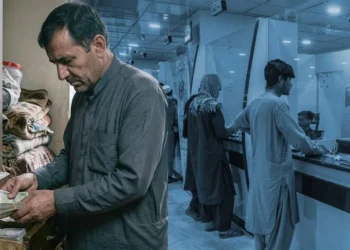

The United Nations Office for the Coordination of Humanitarian Affairs (OCHA) has warned that in 2026, approximately 17.4 million people, over one-third of Afghanistan’s population, could experience food insecurity.
OCHA reported on Sunday, January 18, that of this number, 4.7 million people are expected to be in Phase 4 of the Integrated Food Security Phase Classification (IPC), indicating a “crisis” level of food insecurity.
The report also notes that Afghanistan will face one of the world’s largest humanitarian crises in 2026.
“Years of war, economic fragility, underinvestment in essential services, and the rapid erosion of rights have left large segments of the population with diminished resilience,” the OCHA report states.
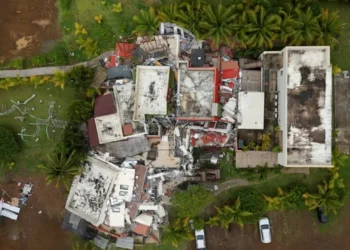
The agency added that these chronic pressures are now being compounded by rising food insecurity, the large-scale return of migrants, climate-driven droughts, recurring natural disasters, and the systematic exclusion of women and girls from public life.
OCHA had previously indicated that nearly 22 million people in Afghanistan would rely on humanitarian assistance in 2026.