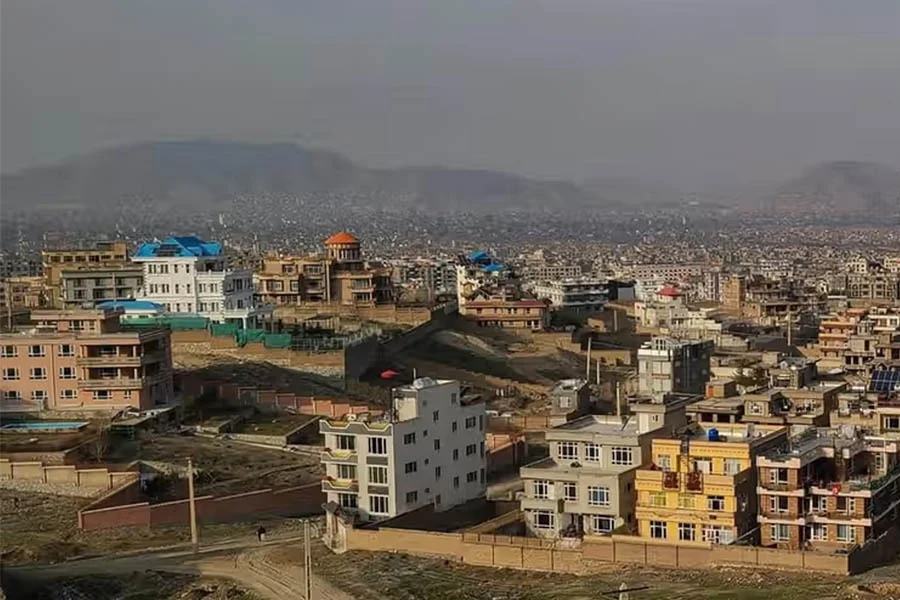
Sometimes I wonder whether what is being said about the forced eviction of the Omid-e Sabz township is real, or whether it is a nightmare in which nearly four thousand homes and tens of thousands of residents, including women, children, the elderly, and other vulnerable groups, are to be driven from their homes by force and coercion on the eve of the cold season. Imagining such a situation, particularly given its humanitarian, social, economic, and political consequences, is difficult and alarming.
Behind each of these homes lie years of effort, hardship, and sacrifice. Many residents gradually raised the capital to build a shelter by saving very little and cutting back on the basic needs of their own lives and their children’s. Every brick of these homes is a testament to years of work, deprivation, and hope for a dignified life. For this reason, the forced eviction of the township cannot be regarded merely as an administrative matter or a dispute over land ownership. It bears directly on security of tenure, property rights, human dignity, and the future of thousands of citizens.
The History of the Township and Residents’ Trust in Official Institutions
About two decades ago, a number of citizens invested in building their homes, relying on official documents and permits. They believed that the layout of the Omid-e Sabz township had been approved by the then Ministry of Urban Development and Land (MUDL) during the Republic era, and that the township had been inaugurated in the presence of the then minister of urban development and a number of government officials. Trusting in the credibility of official institutions and hoping for a standard residential environment, they spent a large part of their assets and life savings on construction in this township.
Regardless of the outcome of the legal dispute, such a history raises important questions about the responsibility of government institutions, the validity of the documents issued, the principle of citizens’ legitimate trust in official decisions, and the need to protect the rights of those who acted based on existing permits and documents. If citizens invested in an area in good faith and on the basis of official documents, addressing their situation requires a careful review of the documents, the administrative record, and their potential acquired rights.
The Legal Dispute and the Need for Judicial Transparency
According to available information and evidence, in earlier stages of the judicial proceedings concerning the Omid-e Sabz township, rulings were issued in favor of the landowners and current owners. However, in later reviews by the Taliban’s special court, the Haji Nabi township (Omid-e Sabz) was declared state property, and the residents were asked to leave their homes.
In matters of property ownership and eviction, particularly when large numbers of families are affected, judicial transparency, observance of legal procedures, the ability to effectively defend the residents’ rights, and the possibility of appealing and reviewing the decision are of fundamental importance. No decision with wide-ranging humanitarian consequences should be implemented merely as an administrative order, without a clear explanation of its legal basis and a careful assessment of the situation of those affected.
Justice in Law Enforcement and the Issue of Double Standards
One of the most important questions in the Omid-e Sabz case is how the Taliban have treated townships that were established during the Republic era or whose ownership status has faced legal challenges. According to information available on the matter, a supportive approach toward the development of the township and its founders has been reported in some cases, including the Aino Mina township in Kandahar. It is also said that in the Mullah Terakhel and Mullah Izzat townships, Sharia-based deeds were issued for several residents in exchange for relatively small payments. In the case of some other townships, particularly Omid-e Sabz, people are forced to choose between paying an unrealistic and exorbitant rent equivalent to 4,000 Afghanis per room or leaving their homes. This itself shows how great the gap is between the Taliban’s conduct and their words toward the people.
The law gains social credibility and legitimacy when it is enforced fairly, transparently, and without discrimination. If citizens feel that their rights and property are being assessed not on the basis of clear legal criteria but under the influence of ethnic, religious, or linguistic affiliations or political considerations, public trust in official institutions will suffer irreparable damage or be lost entirely.
A more serious concern arises when the matter goes beyond determining the legal status of the land, and the authorities not only impose heavy rents and forcibly evict residents from the homes they built, but also hand those homes out as spoils of war to other individuals or groups of the Islamic Emirate.
Concerns About Ethnic, Religious, and Linguistic Discrimination
A number of citizens perceive that the handling of the Omid-e Sabz township may be influenced by ethnic, religious, and linguistic prejudice. This perception, particularly at a time when people are witnessing different treatment of other townships, can intensify concerns about discrimination and inequality. What matters in any case is that the Taliban are responsible for providing a clear explanation of their decisions and for assuring the public that no citizen will be deprived of their legal and human rights because of ethnic, religious, or linguistic affiliation.
Despite the existence of legal and administrative solutions to the dispute that are less costly and less harmful, insisting on the forced eviction of thousands of people without seriously examining alternatives could deepen the current crisis. Resolving the dispute through a renewed review of the documents, legal dialogue with the owners and residents, use of legal mechanisms to determine ownership status, and, where possible, arrangements for compensatory and conciliatory solutions could prevent the spread of tensions.
The Humanitarian and Social Consequences of Forced Eviction
A home is not merely a building; it is the center of family life, psychological security, social relationships, and a person’s economic investment. The forced eviction of families who have spent all their assets on buying land and building a house can have consequences far beyond the loss of shelter. The loss of capital, disruption to children’s education, the loss of job opportunities, rising living costs, migration and the pain of displacement, the weakening of social support networks, deepening poverty, and growing resentment, bitterness, and hatred are among the possible consequences of such an action.
Beyond enforcing the law and resolving ownership disputes, the role of the state includes ensuring security, protecting citizens’ rights, and creating the conditions for a life with dignity. For this reason, the mass eviction of residents without a fair hearing and sufficient legal explanation, and with disregard for its humanitarian consequences, could once again lay bare the true face of the Taliban toward the people.
The Political Consequences and the Need to Prevent the Crisis from Escalating
In recent decades, Afghanistan has borne the high costs of war, political conflict, social divisions, and mistrust among different groups. In such circumstances, decisions that lead to the widespread deprivation of citizens of shelter or their assets, if not accompanied by transparency, justice, and adequate guarantees, can increase public discontent and deepen existing divisions.
If a significant part of society comes to believe that its rights are being ignored based on discriminatory considerations, the consequences may go beyond a property dispute and lead to a crisis of public trust. From this perspective, a fair handling of the Omid-e Sabz case is not only in the interest of the township’s residents but can also help strengthen public trust, reduce tensions, and reinforce social solidarity.
Conclusion and Recommendations
The Omid-e Sabz case should not be regarded merely as a dispute over land ownership or the implementation of a judicial ruling. Rather, it has wide-ranging legal, administrative, humanitarian, social, economic, and political dimensions, and it can be a test of how committed the responsible institutions are to justice, transparency, equality before the law, and the protection of citizens’ rights.
To prevent the crisis from escalating, the following options are proposed:
- Transparent and documented review of the case: Ownership documents, maps, official permits, administrative records, and previous and current judicial rulings should be comprehensively examined, and the legal basis of the final decision should be clearly explained.
- Suspension of irreversible actions until the legal situation is clarified: Where possible and in accordance with legal mechanisms, the implementation of the eviction and any transfer of the houses should be postponed until the objections have been effectively reviewed and the ownership status clarified.
- Dialogue with residents and owners: Representatives of the residents, owners, responsible institutions, and legal experts should be involved in a transparent and constructive process to find a lasting solution.
- Prioritizing low-cost solutions: Options such as securing legal rights, correcting the status of documents, reaching agreement on ownership rights, or fair compensation should be examined, where consistent with the law and the facts of the case, before resorting to mass eviction.
Ultimately, it is expected that the authorities will adopt an approach based on law, justice, and the public interest, and prevent a legal dispute from turning into a dangerous and widespread crisis. A fair resolution of this case could not only spare families from displacement and the destruction of assets built up over many years, but also provide an opportunity to strengthen public trust and reduce social divisions in Afghanistan, just as failure to resolve it peacefully could deepen social divisions and discord.
You can read the Persian version of this article here: