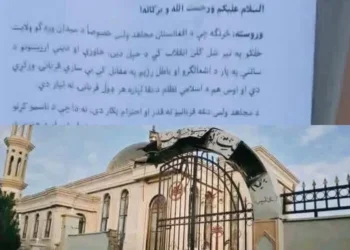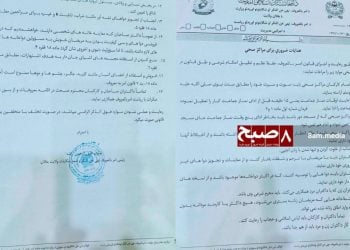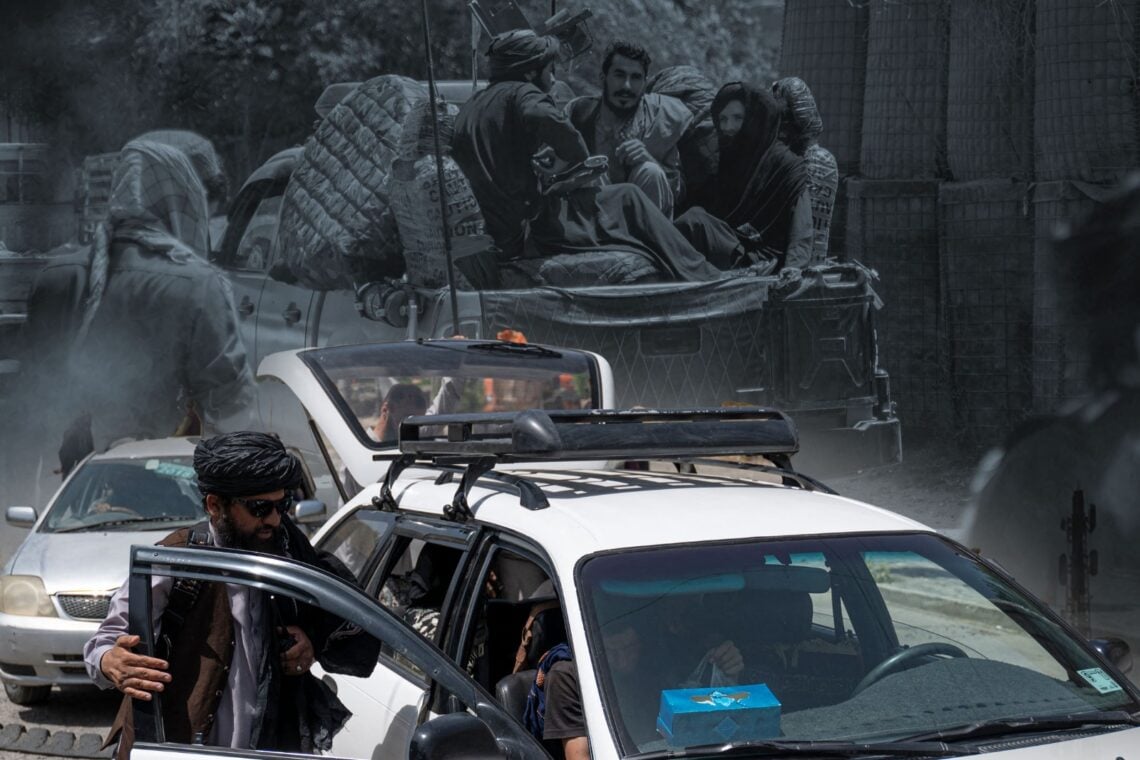
Several residents of Panjshir province are complaining about increased restrictions and tighter controls imposed on the province’s citizens by the Taliban. They say the Taliban have stepped up pressure and restrictions on Panjshir residents in recent weeks. In interviews with the Hasht-e Subh Daily, these residents said that body searches, house searches, and inspections of citizens’ mobile phones have increased, along with monitoring of their activities and movements. According to them, nighttime movement and going into the mountains have been banned, and by turning the local mosque into a military post, the Taliban keep villages under round-the-clock surveillance. Panjshir residents also say that women are living in anxiety out of fear of harassment and Taliban restrictions, and many of them do not dare to leave their homes.
Fardin (pseudonym), a resident of Paryan district in Panjshir, expressed concern about the recent increase in Taliban restrictions and strictness in the province. He said: “People are not allowed to move around at night, and they are not even allowed to go to the mountains. The Taliban search people in the alleys, in the markets, and even on their farmland. They also inspect people’s homes repeatedly, going from house to house. The Taliban consider all the people a threat and an enemy.”
Farhad (pseudonym), another resident of Panjshir province, said that in the Dalan Sang area, the entrance gate of the province, the level of Taliban inspections and monitoring has increased. According to him, the Taliban are closely monitoring people’s movements on a wide scale, and women do not dare to leave their homes out of fear and anxiety over how the Taliban might treat them.
This Panjshir resident said: “At checkpoints, the Taliban force people out of their cars and search them. They also check young people’s mobile phones. The Taliban in Panjshir are on high alert, as if they have come for a full-scale war. Several Taliban forces are stationed in the mosques around the clock, monitoring people’s movements and daily activities. Women do not dare to go outside because of the current situation. At night, no one can leave their home.”
Wasim (pseudonym), another resident of Panjshir province, complained about the increased strictness of the Taliban toward people in the province. According to him, people are not allowed to express their opinions or views, and everyone is forced to follow the Taliban’s orders and demands.
This Panjshir resident said: “The restrictions are very severe, and the Taliban have all areas under their control. If someone leaves their home at night, Taliban forces stop them during patrols and ask what they are doing at that hour. They warn people not to leave their homes at night. We do not know what to do in this situation. The Taliban are harsh toward people night and day, and they have made life difficult for us.”
Shukrullah (pseudonym), another resident of Panjshir province and a member of the National Resistance Front of Afghanistan (NRF), said that since taking control of Afghanistan, the Taliban have treated the people of Panjshir more harshly than residents of other parts of the country. However, according to him, this harshness has intensified in recent times following an increase in NRF attacks.
This Panjshir resident said: “The Taliban’s harshness and restrictions have continued since the group took control of Afghanistan. But after we attacked this group’s posts and the Taliban were unable to withstand our forces, they increased the pressure and harshness on local people. The Taliban harass young and elderly people, detain and torture them, and demand weapons from them. Because of their inability to confront NRF forces in Panjshir province, the Taliban have set up security posts. In 2022, this group shot dead Madyar, the commander of the Shaba base, along with three of his sons and a son-in-law, while their hands were tied.”
Azita Nazhand, a human rights activist, also expressed concern about the increased restrictions and strictness imposed by the Taliban on the residents of Panjshir province, saying that citizens’ freedom of movement in the province has been restricted. According to her, former military personnel face harassment, and several residents are detained and tortured on various pretexts. She said this leaves serious psychological consequences, and that even after their release, they struggle with severe mental health problems.
Ms. Nazhand said: “Most residents of Panjshir make a living through livestock farming, and given the widespread economic poverty in the province, the ban on herders going to the mountains to graze their animals has made their lives even harder. Moreover, young people are not allowed to gather freely with one another. Overall, the situation in Panjshir is extremely fragile, and the continuation of these restrictions has provoked serious concern among the people.”
This comes as sources told the Hasht-e Subh Daily on November 1 that dozens of Taliban fighters had been stationed in the Shaba Omarz and Shaba Astana areas of Panjshir province for the past week, disrupting the lives of local people through house searches and restrictions on residents’ movement.
The sources added that Taliban forces led by an individual named Mokhlis had been present in these areas for the past week and had threatened residents not to leave their homes.
According to the sources, most of the residents’ livestock have been moved from the mountains to the villages. However, a number of shepherds were forced to leave the mountains without having the chance to move their livestock, and their animals have been left unattended in the mountains.
You can read the Persian version of this report here:
تشدید محدودیتهای طالبان؛ باشندهگان پنجشیر: رفتوآمد ما زیر ذرهبین است