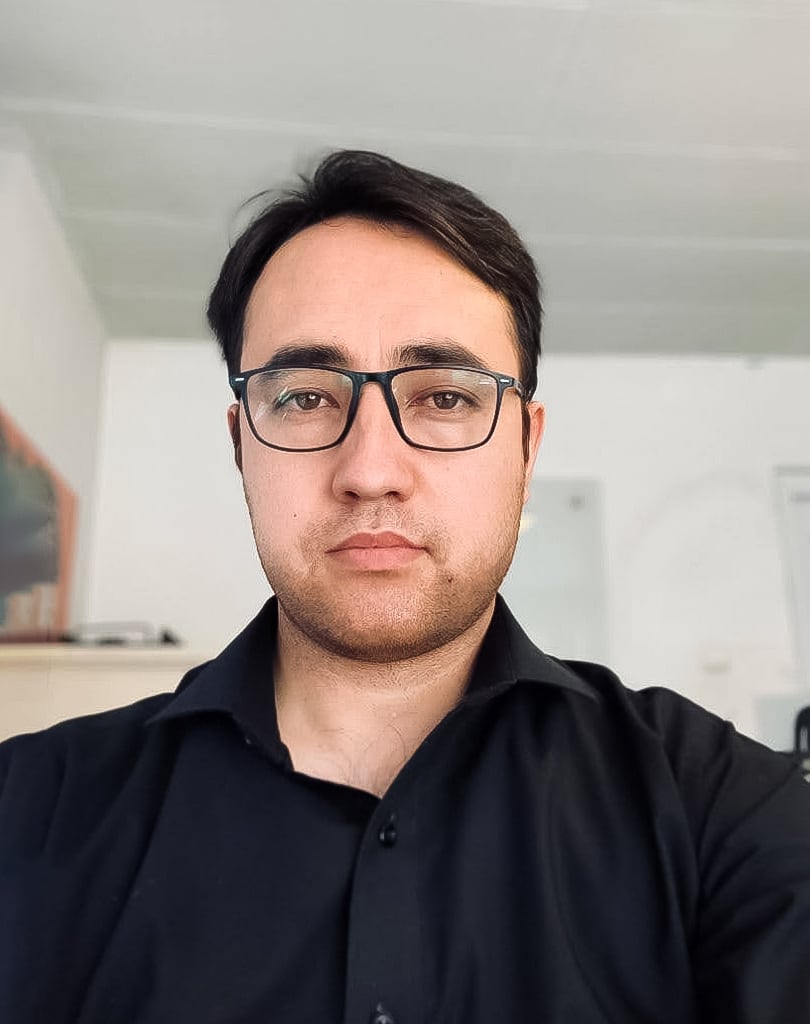

By Dr. Ahmad Sarmast, Afghan Australian ethnomusicologist, founder of the Afghanistan National Institute of Music and advocate for the Five Music Rights
Five years after the Taliban returned to power in Afghanistan, the world has become accustomed to measuring their repression in terms of women denied education, journalists silenced, and political opponents imprisoned. There is another measure of their rule that deserves far greater attention: what they have done to music.
As the world marks the International Day of Music, established by the International Music Council to affirm the universal importance of music in human life, Afghanistan offers a stark reminder of what is at stake when the fundamental right to music is denied.
Afghanistan has become a country where the Taliban have imposed what the International Music Council has described as a total ban on music. This is not simply a restriction on entertainment. It is the systematic denial of a fundamental form of human expression.
Since August 2021, musicians have been threatened, detained, and forced into hiding or exile. Music has been removed from radio and television. Musical instruments have been confiscated and destroyed. Music education has been eliminated. The Taliban’s morality law has institutionalized restrictions on music and public expression. United Nations reporting has documented the destruction of musical instruments as part of the enforcement of the Taliban’s morality regime.
To understand what this means, consider the Five Music Rights, articulated by the International Music Council. They affirm the right of every person to express themselves musically; to learn musical languages and skills; to participate in music through listening, creating, and sharing; the right of musicians to develop their artistry and communicate through all media; and the right of artists to receive recognition and fair remuneration for their work. Under the Taliban, Afghans have effectively been denied all five.
They cannot freely express themselves through music. They cannot freely learn it. They cannot freely listen to or participate in musical life. Musicians cannot develop their artistry or communicate with the public through the media. And professional musicians have been deprived of the ability to pursue their profession openly.
This is why calling what has happened merely a “music ban” understates the reality. It is a total denial of the music rights of the Afghan people, turning the entire country into a silent nation.
I know this reality not only as an ethnomusicologist and music educator but as someone who has spent decades defending the place of music in Afghan society. I founded the Afghanistan National Institute of Music, where boys and girls from different communities studied together and where music became a means of education, opportunity, and reconciliation.
I have also personally experienced the danger of defending music in Afghanistan. In 2014, a Taliban suicide bomber attacked a performance by the Afghanistan National Institute of Music. I was severely wounded and lost approximately 90% of my hearing. A member of the audience was killed. The attack was intended to silence us. It did not.
The Taliban understand something that the outside world sometimes fails to recognise. Music is power. Music does more than entertain. It gives people a voice. It connects generations. It preserves memory. It crosses ethnic, linguistic and political boundaries. It allows young people to imagine a future different from the one imposed upon them. That is precisely why authoritarian regimes such as the Taliban seek to control it.
Afghan music did not begin with the Taliban. The rubab, dambura, tanbur, daf and many other instruments belong to traditions carried across generations. Afghan musical culture encompasses the diverse ethnic landscapes and communities of the country. To destroy an instrument is therefore not simply to destroy an object. It is to attack a vessel of memory.
The attempt to suppress that musical heritage is not new. The Taliban’s present campaign also has a history. During their first rule in the 1990s, they virtually eliminated Afghanistan’s public musical life. When they returned in 2021, they revived that policy. What is different today is the scale of the cultural infrastructure that existed before their return and the determination with which the Taliban have dismantled it.
Before 2021, Afghan children could once again study music. Musicians could perform publicly. The Afghanistan National Institute of Music had become a symbol of what was possible when Afghan children were given the opportunity to learn and create. Afghan ensembles performed internationally, showing the world an Afghanistan very different from the one represented by war and extremism.
That musical ecosystem has now been driven out of the country. But Afghan music has refused to die. Musicians have carried their instruments and traditions into exile. Students continue their education abroad. Afghan ensembles continue to perform. Teachers continue to teach. Young Afghans continue to compose and play. The Taliban can burn instruments. They cannot burn the music that lives in people’s memories.
That resilience, however, should not become an excuse for the world to accept cultural repression as inevitable. The international community should stop treating cultural repression as a secondary issue in Afghanistan. Food, medicine, and humanitarian assistance are essential. But a people is more than its physical survival. A nation also survives through its language, literature, music, art, collective memory, and through the freedom to express them.
The Taliban have understood this better than many policymakers have. Their objective is not simply to make Afghanistan quieter. It is to control what Afghans are permitted to hear, learn, remember and become.
The international community should respond accordingly. Supporting Afghan musicians and music educators in exile is not merely charity. Preserving Afghan music is an act of cultural preservation and a defence of fundamental human freedom.
The Five Music Rights belong to Afghan children and adults as much as they belong to anyone else. Afghans have the right to learn music. They have the right to listen. They have the right to create and perform. Afghan musicians have the right to develop their artistry, communicate with the world, and earn a living. And the Afghan people have the right to hear the music of their own country.
For five years, the Taliban have denied the Afghan people these fundamental music rights and silenced Afghanistan’s public soundscape. But silence is not consent. And silence cannot erase the music, memory, and cultural identity of a people.