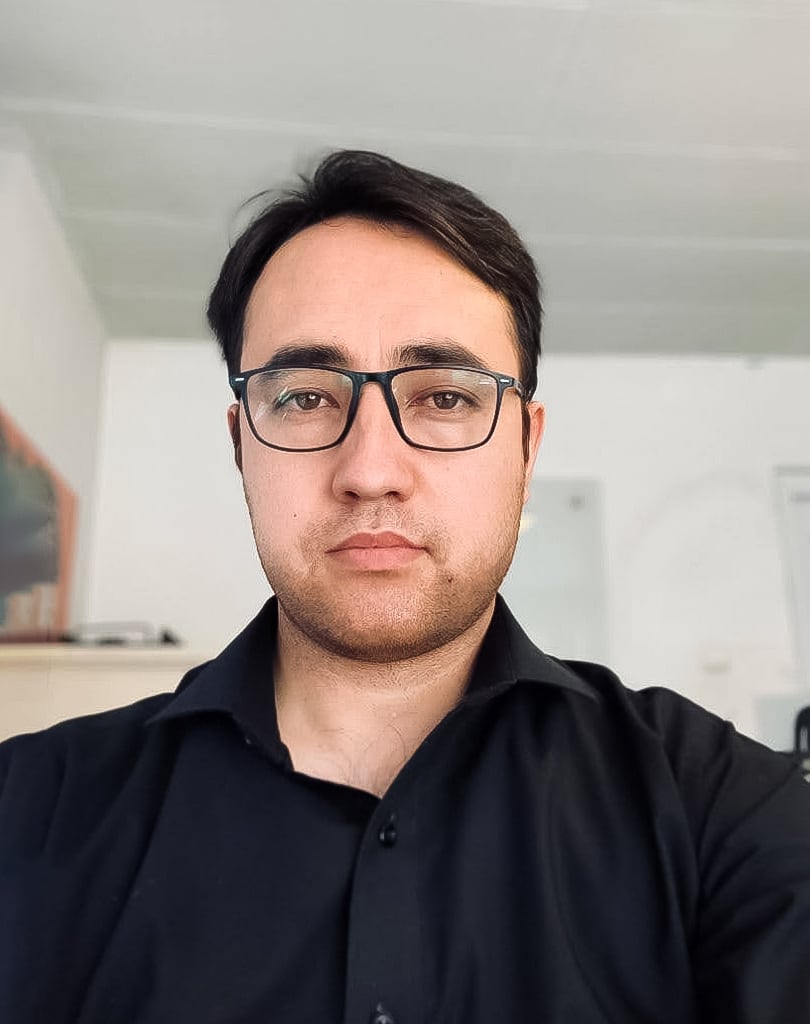

Volker Türk, United Nations High Commissioner for Human Rights, expressing concern over the intensification of restrictions and human rights violations in Afghanistan, has said that the Taliban have broadly restricted rights, particularly the rights of women and girls. He voiced concern over the deprivation of approximately 2.2 million girls and women from secondary and higher education, the imposition of corporal punishments against at least 449 women and men in the first six months of the year, restrictions on media and religious minorities, and the forced return of more than 400,000 citizens of Afghanistan, and he called on the international community to increase its efforts to ensure that the Taliban uphold Afghanistan’s human rights obligations.
Volker Türk, United Nations High Commissioner for Human Rights, speaking at the sixty-third session of the Human Rights Council, condemned the set of repressive restrictions imposed by the Taliban on citizens of Afghanistan, particularly on girls and women, and called for renewed efforts to compel the Taliban to honor Afghanistan’s commitments under international law.
The United Nations High Commissioner for Human Rights said: “Today, the situation for many people in Afghanistan is going from bad to worse. Millions are trapped in poverty, respect for basic human rights continues to deteriorate, and hundreds of thousands are being returned to Afghanistan against their will.”
Mr. Türk added: “With every passing month, [the Taliban] intensify and enforce repressive restrictions. Yet the world appears to have forgotten the people of Afghanistan, leaving them in a situation that worsens by the day. This silence is deafening.”
The senior UN official added that he condemns the ongoing restrictions on women and girls, which have severely affected their education, employment, freedom of movement, and participation in public life. He also expressed concern over the enforcement of strict requirements regarding women’s dress and the complete absence of women from any public decision-making body.
According to him, recent Taliban decrees have made it more difficult for women to separate from their husbands and implicitly permit child marriage and violence against women and children. He noted that a year earlier, the Taliban also restricted the entry of women citizens of Afghanistan, including United Nations staff, contractors, and visitors, into UN buildings across the country. According to Türk, since 2021, approximately 2.2 million girls and women have been denied access to secondary and higher education.
The United Nations High Commissioner for Human Rights said: “This systematic exclusion of women and girls from public life is an unacceptable violation of human rights that has been normalized and institutionalized by [the Taliban]. Such restrictions on women and girls, which amount to gender apartheid, have no place in any society.”
The UN official stated in his address that women and men are being arrested by the Taliban’s Ministry for the Propagation of Virtue and Prevention of Vice (PVPV) on charges of violating rules related to dress, beard length, and playing or listening to music.
According to him, in the first six months of the year, at least 449 women and men faced corporal punishment at the hands of the Taliban. He noted that human rights violations against officials of the former government and former members of Afghanistan’s defense and security forces continue to be recorded and documented.
Mr. Türk added that religious minorities, including Shia and Ismaili communities, continue to face restrictions, and that Afghanistan’s media also operate under censorship and various other restrictions. According to him, media outlets have been barred from broadcasting or publishing content that the Taliban consider contrary to Afghan culture or their own regulations. The detention of journalists also continues, and several media outlets have been temporarily shut down.
The UN official stated that despite this dire human rights situation, the forced return of asylum seekers to Afghanistan continues. According to the United Nations High Commissioner for Refugees (UNHCR), more than 400,000 citizens of Afghanistan, mainly from Iran and Pakistan, have been forcibly returned to Afghanistan. A smaller number have also been forcibly returned from Turkey, Tajikistan, and several other countries. Several European Union member states have also increased coordination with the Taliban regarding the return of Afghanistan’s nationals.
Mr. Türk said: “Many people are forced to enter a country they have never once set foot in, where they will face severe poverty, food shortages, lack of clean water, and inadequate access to health services, education, and employment.” Citing UN estimates, he said that approximately 21.9 million people, nearly 45 percent of Afghanistan’s population, need humanitarian assistance.
The United Nations High Commissioner for Human Rights added: “Meanwhile, the flow of foreign aid has nearly dried up, and this situation has intensified people’s suffering. I call on all countries to reconsider their actions and prioritize the lives of the people who are suffering.”
Mr. Türk concluded his address by saying: “At the same time, countries with influence in the region must stand against inequality and raise their voices for the equality and dignity of all people of Afghanistan. No matter where we live, these principles are inviolable.”
You can read the Persian version of this report here:
ترک: نقض حقوق بشر در افغانستان نهادینه شده و محدودیتها علیه زنان تشدید میشود