• 8AM.MEDIA
  • ویب‌سایت فارسی
  • پښتو ویب‌پاڼه
  • اۉزبېکچه ویب‌سایت
  • Podcast
Tuesday, October 6, 2026
Hasht-e Subh
  • Home
  • News
    • Afghanistan News
    • World News
  • Opinion
    • Editorial
    • Analysis
  • Reports
    • Daily Reports
    • Investigative Reports
  • Society
    • The story of people
  • Women’s Word
  • Columns
    • Three Years After Afghanistan’s Fall: The Taliban’s Resurgence
    • Towards Equality
    • The Resurgence of the Taliban: Two Years Since Afghanistan’s Fall
    • Hebatullah Report Special Edition
    • Resistance for Education Special Edition
    • Special Column on Taliban’s Education Curriculum
    • Nawroz
  • Interviews
  • Contact Us
    • About Us
    • 8AM MEDIA Annual Awards
    • Submit an Article to Hasht-e-Subh
  • 8am.mediaBack
Subscribe
No Result
View All Result
  • Home
  • News
    • Afghanistan News
    • World News
  • Opinion
    • Editorial
    • Analysis
  • Reports
    • Daily Reports
    • Investigative Reports
  • Society
    • The story of people
  • Women’s Word
  • Columns
    • Three Years After Afghanistan’s Fall: The Taliban’s Resurgence
    • Towards Equality
    • The Resurgence of the Taliban: Two Years Since Afghanistan’s Fall
    • Hebatullah Report Special Edition
    • Resistance for Education Special Edition
    • Special Column on Taliban’s Education Curriculum
    • Nawroz
  • Interviews
  • Contact Us
    • About Us
    • 8AM MEDIA Annual Awards
    • Submit an Article to Hasht-e-Subh
  • 8am.mediaBack
No Result
View All Result
Hasht-e Subh
No Result
View All Result

Taliban Pressure on Shia Institutions Draws Iran’s First Reaction

Mohammad Farhaad Mohammad Farhaad
6 October 2026 - Solar Hijri Date: 1405/07/14 [t_time:1791287145]
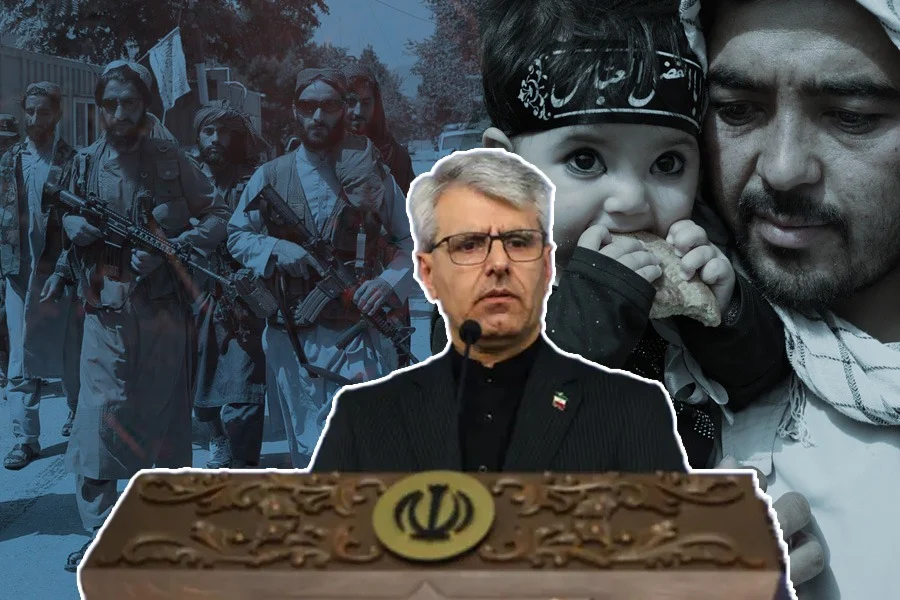
An edited composite image shows a man speaking at a podium bearing Iran's emblem, with armed men and a man holding a child in the background. The image has not been verified as related to the event. (Photo credit: Social Media)

Social Media

The reaction of Esmaeil Baghaei, spokesperson for Iran’s Ministry of Foreign Affairs (MFA), to the closure and restriction of the activities of several institutions linked to Afghanistan’s Shia community is a routine diplomatic protest, but it may also signal Tehran’s growing sensitivity to internal developments in Afghanistan, particularly the fate of the Shia. Baghaei said Tehran has heard the reports about the Taliban’s recent actions and that this, in his words, is “very important” to the Islamic Republic. He also announced talks with the Taliban on the matter and claimed it would be pursued with “seriousness.” The key words “very important” and “seriousness” in Baghaei’s remarks are noteworthy.

The Islamic Republic has reason to be concerned, because some of the institutions barred from operating are linked in one way or another to Iran’s name. For example, the Al-Zahra Clinic in western Kabul is also known as the “Iranians’ Clinic.” The Tebyan Institute also has close ties with the Islamic Republic, and its officials not only do not deny their firm links with Iran but take pride in them. Likewise, the Khatam al-Nabiyyin complex is influenced by Iran in certain areas. So if we consider these institutions close to the Islamic Republic, their closure can be seen as a narrowing of part of Iran’s social and religious sphere of influence in Afghanistan.

From this perspective, the Islamic Republic faces a dual dilemma. It must protect its interests in dealing with the Taliban, and it must also ensure that its image as a protector of the Shia is not weakened in the face of pressure on a Shia community. At the same time, the Taliban face a contradiction of their own in managing relations with Iran. On the one hand, the Taliban seek official and friendly relations with Iran, and on the other, they take actions that could directly provoke Tehran’s religious sensitivities. From the Taliban’s perspective, these actions may have nothing to do with foreign relations at all and may be framed within domestic policy, land ownership disputes, operating licenses, or security concerns. But from Tehran’s perspective, when a series of religious, educational, cultural, media, and medical centers come under pressure within a short period, it becomes harder to separate these cases from one another.

One of the questions that may arise in Tehran’s calculations is whether the Taliban’s actions are part of an effort to reduce Iran’s influence in Afghanistan and expand relations with its regional rivals. This possibility cannot be entirely ruled out. However, there is not enough public evidence to support the claim that Saudi Arabia or any other country has encouraged or directed the Taliban to restrict Shia institutions. Another explanation may be more plausible: the Taliban may be pursuing this policy on the basis of their own domestic calculations and motivations. Part of these calculations may be ideological, part security-related, and part linked to an effort to control independent non-governmental structures.

If the issue results from the influence of a foreign power, Tehran can manage it within the framework of regional competition. But if the main source of the Taliban’s policy is the group’s own ideological outlook and governance structure, Iran will face a more fundamental problem, one that cannot be solved merely by pressuring an external actor.

The timing of these developments is also very important. Iran has confronted this issue while facing heavy external pressure, the consequences of war, the risk of renewed war and a severe economic crisis, and it is simultaneously trying to maintain good relations with its neighbors. In such circumstances, the Taliban may have concluded that Iran’s capacity for a tough response is more limited than in the past.

This does not necessarily mean the Taliban want a confrontation with Iran. On the contrary, Kabul may calculate that Iran needs to maintain its relationship with the Taliban and will therefore show restraint in the face of some of the group’s actions against the Shia. If such a calculation exists, pressure on Shia institutions could serve another function in addition to domestic goals: testing the extent of Tehran’s tolerance.

This is precisely where the issue becomes difficult for Tehran. Iran can neither easily turn the Taliban into an active enemy on its eastern borders nor remain silent, without political cost, in the face of widespread pressure on Shia institutions. Excessive pressure on the Taliban could also make bilateral relations vulnerable. In that case, the Taliban might lean more toward Arab and Western countries. But excessive passivity also has a cost. If Tehran stays silent about the closure of Shia institutions, the perception may take hold that other needs have overridden its declared religious commitments. This carries consequences for the Islamic Republic, which regards itself as the defender of Shia worldwide.

In this context, recent reports about the Fatemiyoun are also noteworthy, although hasty conclusions should be avoided. Reports have been published about the presence of Fatemiyoun forces in Sistan and Baluchestan. Molavi Abdolhamid, a prominent Sunni cleric, has also expressed concern about this. However, it cannot be concluded from these reports that Iran is necessarily preparing the Fatemiyoun to confront the Taliban.

But the coincidence of these reports with rising pressure on Afghanistan’s Shia institutions raises a hypothesis worth examining: alongside the diplomatic track, Tehran may be seeking to retain deterrent options for worse scenarios. If so, this does not necessarily mean preparation for war, and it can be seen as a kind of “precautionary deterrence,” that is, preserving the possibility that if pressure on the Shia crosses a certain level, the cost to the Taliban will rise.

In sum, Baghaei spoke of the importance of the issue and of pursuing it seriously, but said nothing of “punitive measures” or a change in the level of relations with the Taliban. For this reason, the most likely path in the short term is diplomatic pressure, talks with the Taliban and efforts to prevent the closures of institutions from spreading. For example, the reopening of the Al-Zahra Clinic could be the first sign that the dilemma can be managed through pressure and negotiation. But if these tools fail, Tehran’s calculations will become harder. At that point, Iran will have to choose between two options: pressuring the Taliban and risking a weakened relationship with Kabul, or continuing its restraint and losing credibility among Afghanistan’s Shia.


You can read the Persian version of this analysis article here:
فشار طالبان بر شیعیان و نخستین واکنش ایران

ShareTweetSendSendShare

Related Posts

A document showing rental forms distributed among residents of Omid Sabz Township in Kabul (Photo: Exclusive)
Afghanistan News

Sources: Taliban Set Rent for Homes in Omid Sabz Township

6 October 2026 [t_time:1791287302]
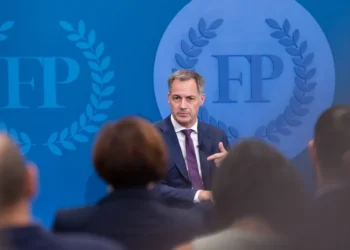
Alexander De Croo - Head of the United Nations Development Programme (Photo: FP)
Afghanistan News

De Croo: International Community Should Not Turn Its Back on Afghanistan

6 October 2026 [t_time:1791278806]
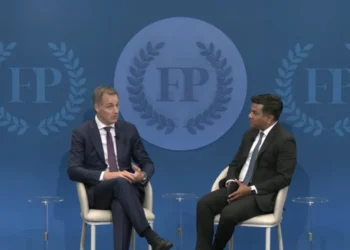
Alexander De Croo - Head of the United Nations Development Programme in an interview with the Foreign Policy (Photo: FP)
Afghanistan News

De Croo: Banning Girls from Education Is Unacceptable

6 October 2026 [t_time:1791277063]

Latest

Loading latest news...

Popular stories

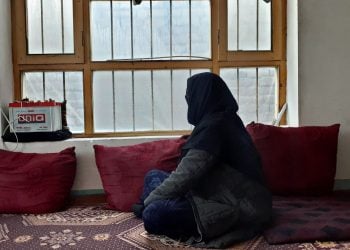
  • An Afghan woman gazes out of her home, reflecting the isolation and challenges faced by women in Afghanistan under Taliban rule. (Photo Credit: 8am.media)

    UN Report Reveals Shifts in Family Attitudes and Rise in Domestic Violence in Afghanistan

    Share
    Share Tweet
  • Taliban Shoot Young Man from Herat After Torturing Him with Hands Tied

    Share
    Share Tweet
  • Al-Qaeda Releases Hamza bin Laden Message on 9/11 Anniversary

    Share
    Share Tweet
  • Afghanistan Journalists Center: Taliban Have Detained Around 300 Journalists and Media Workers

    Share
    Share Tweet
  • Iraq Reports Export of Two Million Barrels of Crude Oil Through Strait of Hormuz

    Share
    Share Tweet

Podcast

Insights
Insights

Join Lynne O’Donnell for 8AM’s podcast series, Insights.
Lynne talks with generals, diplomats, soldiers, journalists, politicians, activists, people who have front row seats for conflicts around the world, and citizens with a story to tell, happy or sad. For this first series, Afghanistan is the focus. Lynne and her guests talk about the collapse of the republic in August, 2021, and the impact since — for the people of Afghanistan, for the security of the region, for the safety of the world. It’s important, interesting and insightful.

Insights/22: Controlling the Narrative with Mina Sharif
byinsights8am

Controlling the Narrative

Lynne O’Donnell talks with Mina Sharif, author, activist, women’s rights campaigner, educator and mentor. They discuss who controls the narrative and who speaks for Afghanistan’s people when the Taliban appear to have seized control not only of the country but of the message, too.

Have a listen

Insights/22: Controlling the Narrative with Mina Sharif
Episode play icon
Insights/22: Controlling the Narrative with Mina Sharif
Episode Description
Episode play icon
Insights/21: Media Meltdown with Zahra Joya
Episode Description
Episode play icon
Insights/20: Terror Inc with Scott Richards
Episode Description
Episode play icon
Insights/19: Busting Stereotypes with Bushra Gohar
Episode Description
Episode play icon
Insights/18: Media Matters with Waliullah Rahmani
Episode Description
Episode play icon
Insights/17: What Goes Around Comes Around with Sima Samar
Episode Description
Search Results placeholder
Hasht-e Subh

8AM Media, also known as Hasht-e-Subh Daily, stands as Afghanistan's premier independent and non-profit newspaper, resonating as a beacon of journalistic integrity since its establishment in June 2007 by esteemed Afghan journalists and human rights advocates. With a steadfast commitment to citizen journalism and civic education, Hasht-e-Subh Daily has earned its place as the most esteemed publication in the nation.

Publisher: Sanjar Sohail
Email: [email protected]
Executive Director: Parwiz Kawa
Email: [email protected]

Read More

Sources: Taliban Set Rent for Homes in Omid Sabz Township

Taliban Pressure on Shia Institutions Draws Iran’s First Reaction

Azizi Bank Customers Say They Are Not Told About Fees When Opening Accounts

OCHA: $18 Million Allocated to Address Afghanistan’s Humanitarian Needs

Saudi-Led Coalition Says Houthi Ballistic Missile Sites Destroyed

Editor’s Choice

Every Saturday morning, 8AM MEDIA English Services Department will guide you through the week’s biggest stories from Afghanistan and the international community.

Subscribe

© 2026 - ©Hasht-e Subh Daily

No Result
View All Result
8am.Media
پښتو ویب‌پاڼه
ویب‌سایت فارسی
اۉزبېکچه ویب‌سایت
  • Home
  • News
    • Afghanistan News
    • World News
  • Opinion
    • Editorial
    • Analysis
  • Reports
    • Daily Reports
    • Investigative Reports
  • Society
    • The story of people
  • Women’s Word
  • Columns
    • Three Years After Afghanistan’s Fall: The Taliban’s Resurgence
    • Towards Equality
    • The Resurgence of the Taliban: Two Years Since Afghanistan’s Fall
    • Hebatullah Report Special Edition
    • Resistance for Education Special Edition
    • Special Column on Taliban’s Education Curriculum
    • Nawroz
  • Interviews
  • Contact Us
    • About Us
    • 8AM MEDIA Annual Awards
    • Submit an Article to Hasht-e-Subh
  • 8am.media

© 2026 - ©Hasht-e Subh Daily