Introduction
The Iranian government, with extreme cruelty, is arresting Afghan migrants at their homes, workplaces, and now even through ride-hailing taxis (like Snapp), and forcibly deporting them with violence and inhumane treatment, disregarding identification documents and human rights.
Introduction
Afghan migrants in Iran constitute one of the largest migrant populations in the country, yet they have constantly faced challenges such as discrimination, racism, and widespread human rights violations. In recent years, their situation has worsened due to escalating economic crises, increased political tensions, and the strengthening wave of anti-migrant sentiment. Previously, the Iranian government’s actions, which included the arrest and forced deportation of migrants from workplaces, residences, and even marketplaces, have now taken a new form through ride-hailing taxis (like the Snapp app). These measures have raised significant concerns regarding the increase in violence and human rights violations toward Afghan migrants.
Escalation of Xenophobia in Iran
Xenophobia and racist attitudes against Afghan migrants in Iran have a long history. This discrimination is evident in the media, public spaces, and even official systems such as education, healthcare, and public services. Afghan migrants, who often seek refuge in Iran due to war, insecurity, and poverty in Afghanistan, face a negative image from Iranian society. At times, this racism is translated into governmental policies and legal actions, severely violating the rights of these migrants.
In recent years, anti-migrant waves have intensified due to economic problems in Iran and the increase in international sanctions. Instead of offering logical solutions to manage the situation of migrants, the Iranian government has adopted strict, anti-migrant policies, specifically targeting Afghan migrants. These policies include widespread arrests and forced deportations, often accompanied by violence and human rights violations.
Arrest of Afghan Refugees from Residences, Workplaces, and Marketplaces
In the past, Afghan migrants were primarily arrested at their workplaces, residences, or on their daily routes. These arrests were usually carried out by law enforcement and security forces, and migrants without legal documentation were directly transferred to temporary camps or migrant detention centers, often without judicial processes or the right to defense. Conditions in these camps are extremely dire, with migrants being deprived of basic rights, including access to healthcare, food, and legal representation.
In marketplaces and public spaces, Afghan migrants also face daily violent arrests. These arrests are often accompanied by inhumane treatment from police forces and other government entities. Migrants, especially those lacking legal documentation, are repeatedly subjected to physical violence and psychological threats.
A new method involves the use of ride-hailing apps like “Snapp” to identify and arrest Afghan migrants. In this method, security and police forces use data from these apps to track and detain Afghan migrants during their daily travels. Online taxi drivers, whether voluntarily or under pressure from security institutions, report passenger information to law enforcement agencies.
Afghan migrants, whether possessing valid identification documents or not, are identified and targeted through this method. In some cases, drivers report passengers’ information to security agencies without their knowledge. This practice is a blatant violation of privacy and human rights, turning migrant arrests into a daily routine. After being detained, migrants are swiftly transferred to detention camps or borders, with many not given the chance to defend themselves or contact their families.
Forced Deportation and Inhumane Treatment
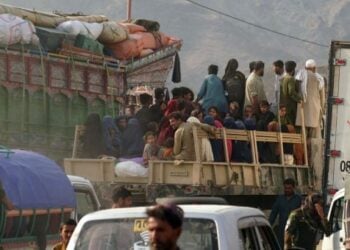
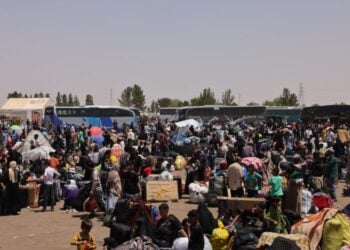
The forced deportation of Afghan migrants, which has now become one of the Iranian government’s official policies, is widely accompanied by violence and inhumane treatment. After being arrested, migrants are sent back to Afghanistan’s borders without undergoing legal processes or having the chance to defend themselves. These deportations often involve threats, physical violence, and psychological humiliation. In many cases, deported migrants are not even allowed to take their personal belongings and are forcibly returned to areas under Taliban control or regions affected by war.
These actions not only violate international human rights principles but also constitute a clear breach of Iranian law, which affirms the protection of human rights. In numerous cases, deportees are expelled without access to legal representation or the opportunity for a fair trial, encountering violence and mistreatment along the way.
Human and International Rights Violations
As a signatory to the 1951 Refugee Convention and its 1967 Protocol, Iran is obliged to respect the rights of migrants and refugees. The principle of “non-refoulement,” emphasized in these conventions, stipulates that no country should return migrants to a place where they face the threat of torture, persecution, or human rights violations.
However, the Iranian government’s actions, including the forced deportation of Afghan migrants to unsafe areas of Afghanistan, constitute a clear violation of these international principles. Additionally, the use of ride-hailing apps to identify and arrest migrants is a blatant infringement on their privacy and personal security. These actions have raised serious concerns among international human rights organizations and have drawn widespread criticism.
Impact on Afghan Migrants
The forced deportation and violence inflicted on Afghan migrants have had devastating effects on their lives. Many migrants who sought refuge in Iran due to political and security crises now face hopelessness and uncertainty about their future. After the Taliban’s takeover of Afghanistan in 2021, returning to the country for many Afghans means facing serious security threats and severe economic problems. Deported migrants are often sent back to Afghanistan without access to support resources or necessities, leaving them vulnerable to poverty, instability, and life-threatening risks.
As a result, the situation of Afghan migrants in Iran is deeply concerning, and the Iranian government’s actions, including the use of ride-hailing taxis for arrests and forced deportations, have led to new crises. These policies not only constitute a clear violation of human rights but also put Afghan migrants at serious risk. The international community and human rights organizations must increase pressure on the Iranian government to stop these actions and provide the necessary support to improve the situation of Afghan migrants in Iran
You can read the Persian version of this analysis here:
بازداشت و اخراج اجباری مهاجران از طریق تاکسیهای تلفنی در ایران | روزنامه ۸صبح