• 8AM.MEDIA
  • ویب‌سایت فارسی
  • پښتو ویب‌پاڼه
  • اۉزبېکچه ویب‌سایت
  • Podcast
Wednesday, October 14, 2026
Hasht-e Subh
  • Home
  • News
    • Afghanistan News
    • World News
  • Opinion
    • Editorial
    • Analysis
  • Reports
    • Daily Reports
    • Investigative Reports
  • Society
    • The story of people
  • Women’s Word
  • Columns
    • Three Years After Afghanistan’s Fall: The Taliban’s Resurgence
    • Towards Equality
    • The Resurgence of the Taliban: Two Years Since Afghanistan’s Fall
    • Hebatullah Report Special Edition
    • Resistance for Education Special Edition
    • Special Column on Taliban’s Education Curriculum
    • Nawroz
  • Interviews
  • Contact Us
    • About Us
    • 8AM MEDIA Annual Awards
    • Submit an Article to Hasht-e-Subh
  • 8am.mediaBack
Subscribe
No Result
View All Result
  • Home
  • News
    • Afghanistan News
    • World News
  • Opinion
    • Editorial
    • Analysis
  • Reports
    • Daily Reports
    • Investigative Reports
  • Society
    • The story of people
  • Women’s Word
  • Columns
    • Three Years After Afghanistan’s Fall: The Taliban’s Resurgence
    • Towards Equality
    • The Resurgence of the Taliban: Two Years Since Afghanistan’s Fall
    • Hebatullah Report Special Edition
    • Resistance for Education Special Edition
    • Special Column on Taliban’s Education Curriculum
    • Nawroz
  • Interviews
  • Contact Us
    • About Us
    • 8AM MEDIA Annual Awards
    • Submit an Article to Hasht-e-Subh
  • 8am.mediaBack
No Result
View All Result
Hasht-e Subh
No Result
View All Result

Low-Quality and Expired Sanitary Pads: The Hidden Threat to Women’s Health in Afghanistan

Translated by Farhad Farhaad | Originally reported in Persian by Ilya

Mohammad Farhaad Mohammad Farhaad
26 May 2026 - Solar Hijri Date: 1405/03/05 [t_time:1779800591]
Packages of "Nice Laday" brand sanitary pads on display at a shop in Afghanistan, where doctors warn that cheap and expired products pose serious health risks to women. (Photo credit: 8am.media)

8am.media

Several obstetrician-gynecologists in Kabul say that poverty and lack of awareness are forcing many girls and women to use low-quality and expired sanitary pads. They note that in recent years, the number of women seeking care for skin irritation, infections, and inflammation linked to unhygienic products has been rising. According to these doctors, many women focus solely on price when purchasing such products and remain largely unaware of the health risks involved.

Speaking to the Hasht-e Subh Daily, the doctors warned that using expired or substandard sanitary pads can pose serious health risks. They explained that the materials in these products, once past their expiration date or stored in poor conditions, can become contaminated and trigger severe infections. Prolonged use of such products, they added, can lead to lasting health complications.

The doctors stressed that the lack of rigorous market oversight for women’s hygiene products has allowed substandard goods to circulate freely. They also noted that the stigma and silence surrounding menstruation often delay girls from seeking medical attention when problems arise. In their view, menstrual health education and quality control of hygiene products are urgent and unmet needs for women across Afghanistan.

Benafsha Arefi, an obstetrician-gynecologist, said that poverty and financial hardship in Afghanistan have left many women with little choice but to buy cheap, low-quality, and sometimes expired sanitary pads, a practice she warned can carry serious health consequences. She explained that reduced absorbency in these products creates an environment where germs thrive, increasing the risk of skin irritation, fungal and bacterial infections, itching, and genital inflammation.

“When sanitary pads are expired, or of poor quality, their absorbency drops and conditions become ripe for germ growth,” she said. “Using such pads can cause skin irritation, itching, inflammation, and fungal and bacterial infections in the genital area. When expired or low-quality pads hit the market at lower prices, many women buy them out of financial necessity, without realizing the serious health risks they carry.”

Najm-ul-Sama Shafaju, another obstetrician-gynecologist, said menstruation is one of the most physically sensitive periods for women, making hygiene during this time especially critical. She explained that the body becomes more susceptible to infection during menstruation, and that using unhygienic pads or cloths significantly raises that risk. Regular pad changes, proper washing, and bodily cleanliness, she added, are all essential to preventing the spread of germs.

“During menstruation, the cervix becomes more open, leaving that area of the body more exposed to germs, much like an open wound,” she said. “If germs enter the body, they can cause serious complications, including uterine inflammation, infection throughout the reproductive system, and even systemic spread. This period demands serious attention, as the body’s overall resistance is also lower at this time.”

Shafaju recommended that women and girls change their sanitary pads or cloths every two to three hours. For those using cloth, she advised washing it thoroughly and drying it in direct sunlight to kill germs.

“Some people believe girls should not bathe during menstruation, but bathing and staying clean actually prevent germs from accumulating and multiplying,” she said. “Pads or sanitary cloths should be changed every two to three hours. It is also advisable to use standard pads with absorbent and antibacterial properties.”

Maryam Rasa, also an obstetrician-gynecologist, said expired sanitary pads can have serious consequences for women’s health. She explained that once a product’s expiration date has passed, its absorbent layer breaks down, creating favorable conditions for bacterial and fungal growth. This, she noted, can result in vaginal infections, skin irritation, and, in more severe cases, pelvic inflammatory disease (PID).

“When expired sanitary pads are used, they create an environment where microbes can thrive,” she said. “This can lead to vaginal infections, itching, burning, and even the spread of infection into the internal reproductive organs. Left untreated, such conditions can carry grave consequences, including infertility.”

Rasa also emphasized that nutrition during menstruation deserves as much attention as hygiene. A balanced diet, she noted, can help strengthen the body and ease the symptoms associated with this period.

“During menstruation, the body loses blood, increasing its need for iron, fluids, and nutritious food,” she said. “Eating well, including meat, legumes, vegetables, and fruits, can help the body recover and reduce discomfort.”

In Afghanistan, sanitary pads are sold on roadsides, in pharmacies, and in shops stocking tissues and other hygiene items, with prices ranging from roughly 30 to 230 Afghanis. Manufacturers use a range of chemical materials in their production, and the products are typically sold in plastic packaging.

In many rural areas, however, access to standard sanitary pads remains limited. For a significant portion of women, these products are either unfamiliar or simply out of reach. As a result, many are left relying on reusable cloths to manage their periods, a practice doctors say can be hazardous if basic hygiene is not observed. Reports suggest that reproductive health problems are more prevalent in rural communities than in cities, largely due to economic constraints and inadequate sanitation infrastructure.

Rising poverty and shrinking purchasing power have also pushed many women in urban areas toward cheap, substandard pads. Doctors warn that these products are, in some cases, expired or non-compliant with safety standards, and continue to pose a real and underacknowledged threat to women’s health.


You can read the Persian version of this report here:

نوارهای بهداشتی بی‌کیفیت و تاریخ‌تیرشده؛ تهدید پنهان سلامت زنان در افغانستان

ShareTweetSendSendShare

Related Posts

A young woman stares into the lens beside a symbolic illustration of a sanitary pad, reflecting the stigma Afghan girls face around menstruation. (Photo credit: Pexels)
No category

My First Period: Why the Shame?

29 May 2026 [t_time:1780067785]
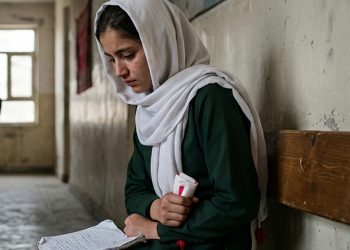
A young Afghan schoolgirl stands alone in a school hallway, holding a notebook and a sanitary pad, reflecting the silence and shame surrounding menstruation in Afghan schools. (Photo Credit: AI)
No category

Natural Process or “Women’s Secret”? Why Boys Are Never Taught About Menstruation

29 May 2026 [t_time:1780066596]
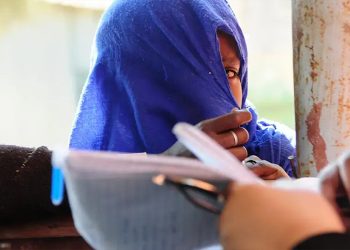
In this image, a young woman is shown with her face partially covered. Only one of her eyes is visible through the fabric, looking outward with a sense of concern, hesitation, or shyness. The overall atmosphere of the image is calm yet emotionally layered, reflecting quiet inner tension and unspoken feelings. (Photo credit: UNFPA)
Daily Reports

Menstruation: Hidden Suffering Between Poverty and Women’s Silence

27 May 2026 [t_time:1779876798]

Latest

Loading latest news...

Popular stories

  • An aerial view shows collapsed buildings and widespread damage following an earthquake in Panama (Photo: Reuters)

    More Than 200 Aftershocks Recorded in Panama Since Friday’s Earthquake

    Share
    Share Tweet
  • Axios: Trump Expects Ukraine Not to Attack Russian Oil Refineries

    Share
    Share Tweet
  • UN Report Reveals Shifts in Family Attitudes and Rise in Domestic Violence in Afghanistan

    Share
    Share Tweet
  • The Politics We Inherited: Rethinking Afghanistan’s Political Culture

    Share
    Share Tweet
  • Mujahid: Pakistan Should Address Its Internal Problems Instead of Making Accusations

    Share
    Share Tweet

Podcast

Insights
Insights

Join Lynne O’Donnell for 8AM’s podcast series, Insights.
Lynne talks with generals, diplomats, soldiers, journalists, politicians, activists, people who have front row seats for conflicts around the world, and citizens with a story to tell, happy or sad. For this first series, Afghanistan is the focus. Lynne and her guests talk about the collapse of the republic in August, 2021, and the impact since — for the people of Afghanistan, for the security of the region, for the safety of the world. It’s important, interesting and insightful.

Insights/22: Controlling the Narrative with Mina Sharif
byinsights8am

Controlling the Narrative

Lynne O’Donnell talks with Mina Sharif, author, activist, women’s rights campaigner, educator and mentor. They discuss who controls the narrative and who speaks for Afghanistan’s people when the Taliban appear to have seized control not only of the country but of the message, too.

Have a listen

Insights/22: Controlling the Narrative with Mina Sharif
Episode play icon
Insights/22: Controlling the Narrative with Mina Sharif
Episode Description
Episode play icon
Insights/21: Media Meltdown with Zahra Joya
Episode Description
Episode play icon
Insights/20: Terror Inc with Scott Richards
Episode Description
Episode play icon
Insights/19: Busting Stereotypes with Bushra Gohar
Episode Description
Episode play icon
Insights/18: Media Matters with Waliullah Rahmani
Episode Description
Episode play icon
Insights/17: What Goes Around Comes Around with Sima Samar
Episode Description
Search Results placeholder
Hasht-e Subh

8AM Media, also known as Hasht-e-Subh Daily, stands as Afghanistan's premier independent and non-profit newspaper, resonating as a beacon of journalistic integrity since its establishment in June 2007 by esteemed Afghan journalists and human rights advocates. With a steadfast commitment to citizen journalism and civic education, Hasht-e-Subh Daily has earned its place as the most esteemed publication in the nation.

Publisher: Sanjar Sohail
Email: [email protected]
Executive Director: Parwiz Kawa
Email: [email protected]

Read More

UNICEF: Barring Girls from Education Has Made It Harder for Pregnant Women to Access Healthcare

Community-Funded Healthcare Center Completed in Ghazni

UNICEF: More Than 2.6 Million Girls in Afghanistan Barred from Education Since 2021

Kenneth Roth: Forced Returns of Afghans from France Increase Risk of Persecution and Torture

The Nightmare of the White-Robed Men: Wounds That Linger in the Minds and Souls of Women in Herat

Editor’s Choice

Every Saturday morning, 8AM MEDIA English Services Department will guide you through the week’s biggest stories from Afghanistan and the international community.

Subscribe

© 2026 - ©Hasht-e Subh Daily

No Result
View All Result
8am.Media
پښتو ویب‌پاڼه
ویب‌سایت فارسی
اۉزبېکچه ویب‌سایت
  • Home
  • News
    • Afghanistan News
    • World News
  • Opinion
    • Editorial
    • Analysis
  • Reports
    • Daily Reports
    • Investigative Reports
  • Society
    • The story of people
  • Women’s Word
  • Columns
    • Three Years After Afghanistan’s Fall: The Taliban’s Resurgence
    • Towards Equality
    • The Resurgence of the Taliban: Two Years Since Afghanistan’s Fall
    • Hebatullah Report Special Edition
    • Resistance for Education Special Edition
    • Special Column on Taliban’s Education Curriculum
    • Nawroz
  • Interviews
  • Contact Us
    • About Us
    • 8AM MEDIA Annual Awards
    • Submit an Article to Hasht-e-Subh
  • 8am.media

© 2026 - ©Hasht-e Subh Daily