Several residents of Kandahar, Helmand and Uruzgan provinces say there are no female doctors at health centers, and that midwives have also not received the necessary training. They add that female patients refuse to see male doctors, and as a result end up facing incorrect diagnoses from midwives. The findings of this report show that in one case, the incorrect diagnosis by an unprofessional female midwife, who claimed that an unmarried girl was pregnant, led her brothers to severely beat her, while after she was taken to Mirwais Regional Hospital in Kandahar, it was determined that she was not pregnant and instead had a mass or cyst in her abdomen.
She wears a black veil and has left much of her life behind her. Her face is filled with despair. Hayat Bibi sits in the shadow of a gray wall. She is a mother whose sons recently severely beat her daughter after an unprofessional female midwife told them there was a child in their daughter’s womb.
Hayat Bibi says her daughter had not yet fully reached maturity when she fell ill. According to her, when her daughter went to a women’s health center for an examination, she was told there that there was a child in her womb.
She says that upon hearing this news, the ground gave way beneath her feet, and she became deeply afraid of how her unmarried daughter could have become pregnant.
The mother adds that after her sons learned of this, they decided to kill their sister and beat her so severely that her face, hands, and head were injured.
The mother says: “My sons told my daughter that she had an illegitimate relationship without marriage. They beat her severely and said that if she truly had no relationship, then how had she become pregnant?”
The girl’s mother adds that her daughter faced severe violence at home, and that the matter was even brought before a Taliban court. However, after she was taken to a government hospital, it was proven that there was no child in her daughter’s womb, but rather a type of mass or cyst.
This elderly woman from Daman district of Kandahar province, tears streaming down her face, says the cruelty inflicted on her daughter stemmed from the incorrect diagnosis by an unprofessional female doctor. She says there are no professional female doctors in the area, and that all the female health workers there struggle even with reading and writing.
Hayat Bibi adds that due to the shortage of female doctors, people in the area are forced to take their sick women to these same unprofessional individuals. She says: “Lumps had appeared in my daughter’s stomach, but the female doctor in our district said there was a child in her womb. When my sons found out, they beat her severely and broke her hands and legs. But when we took my daughter to Mirwais Regional Hospital in Kandahar, they examined her and said there was no child in her womb, just a kind of growth. All the problems we faced were because of unprofessional people.”
Since the Taliban banned girls’ education in Afghanistan, the shortage of female doctors in the health sector has grown worse by the day.
In hospitals across the southern region of Afghanistan, complaints about the shortage of female doctors have been raised from various provinces, and it is said that many health centers have no female doctor at all.
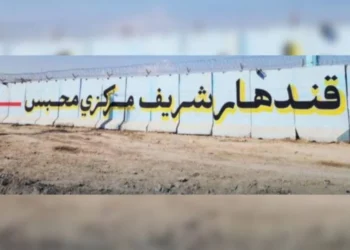
Kandahar, which is the largest province in the southern region compared to other provinces in the region and has more than 600 government and non-government health centers operating in it, also faces, like other areas, a shortage of female health staff at many of its health centers.
Visitors to government health centers in Kandahar say the province is experiencing a severe shortage of female doctors, and that in many health centers, not even a female midwife can be found.
Zarghona, a resident of Takhtapul district who had come to one of Kandahar city’s government hospitals for treatment, says the shortage of female doctors in the province has led many women to hide serious health problems from male doctors, resulting in them facing serious complications.
This woman says that the female doctors working at health centers often lack the necessary knowledge and have merely filled the posts. According to her, many women are unwilling to discuss their health problems with male doctors.
Zarghona adds: “No woman wants to tell a male doctor about her illness, because no one dares to share their private health issues with men. Even if a female doctor can be found here, she doesn’t know much; she has only learned to read and write, but does not have sufficient training in medicine.”
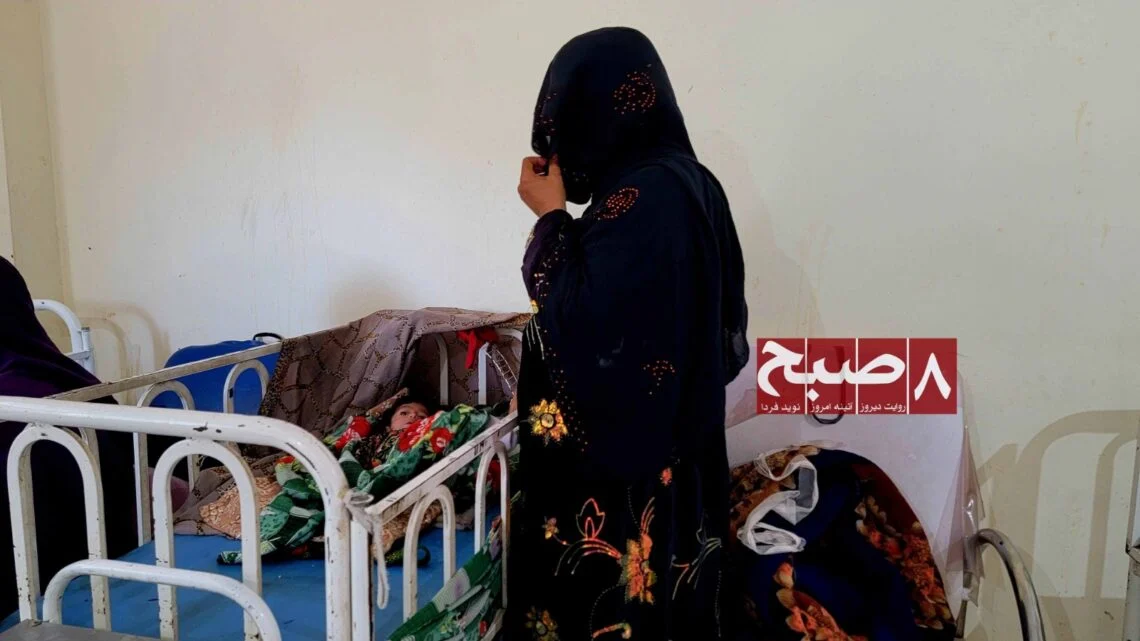
Local sources within the Taliban’s Directorate of Public Health in Kandahar say that at present, the shortage of female doctors is worsening by the day in nearly all government health centers in the province, but that the Taliban have so far found no clear solution to it.
One health source says that they and organizations working in the health sector have repeatedly announced vacant medical posts, but that even finding a midwife to hire has proven difficult.
The source says that they have raised this problem with the Taliban’s Ministry of Public Health, the Taliban governor’s office in Kandahar, and the Taliban’s Council of Ministers, but that no clear solution has been provided so far.
The source says: “When a bachelor’s-level post for women in the health sector is announced, months later only an ordinary midwife is found, one who is not a trained professional. We are facing a very severe shortage of female doctors in Kandahar province. We have raised this problem from the leadership level all the way to the Ministry of Public Health and the [Taliban] Council of Ministers, but so far no one has assured us of a solution, and no solution is in sight.”
Jawid Ahmad Kandahari, a social activist, says that if the doors of education remain closed to girls, it would not be surprising if, in the near future, the field of women’s medicine collapses entirely across Afghanistan, particularly in the southern region.
Helmand
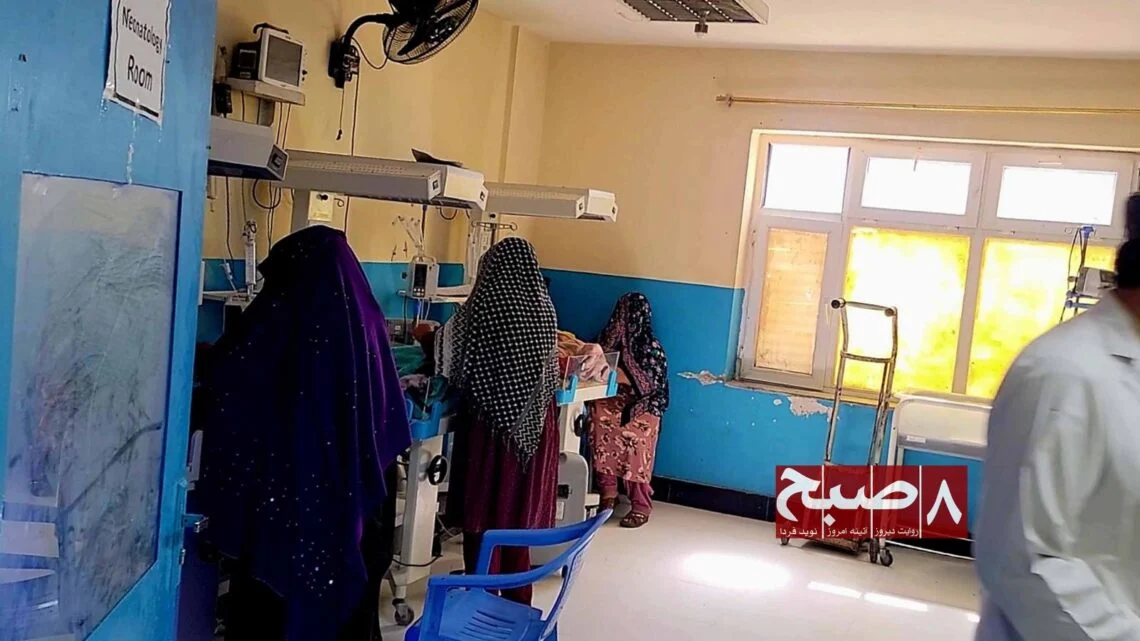
Helmand, a province neighboring Kandahar and one of the country’s most populous provinces, which currently has 280 health centers in operation, has male doctors working in place of female doctors at many of its health centers.
A group of residents of Musa Qala district, sitting outside the district’s central hospital, told an 8 AM reporter that there is not a single female doctor in the entire hospital, and that all female patients are examined by male doctors.
Abdul Khaliq, a 35-year-old man who had brought his wife to the hospital, says with frustration: “They should change this policy. If they have banned female doctors across Afghanistan, then they should provide a female doctor for our hospital too.”
He says that when he learned there was no female doctor at the hospital, he became very worried, and that if the problem is not resolved, they will go to the Taliban governor’s office in Helmand to protest and demand that a female doctor be found for the district health center.
He says: “Our fundamental problem is that when our female patients come to the hospital, they hope a female doctor will be there, but when they enter the hospital, male doctors are sitting there instead of female doctors. Either they change this policy, or they solve our problem and find us a female doctor.”
Uruzgan
Uruzgan, one of the remote southern provinces of the country, has long faced health challenges, but now many of the health centers in this province have no female doctor at all.
There are currently 108 government hospitals and health centers in Uruzgan, many of which lack female doctors, with male doctors working in their place.
A source within the Taliban’s Directorate of Public Health in Uruzgan, whose name has not been disclosed in this report due to security concerns, says that there are only two female specialist doctors in the entire province.
The source adds that only Tarinkot Provincial Hospital and Deh Rawood District Hospital each have one female MD specialist.
According to this source, many health centers need female doctors, but the Directorate of Public Health has filled some female doctor posts with midwives and male doctors instead.
The source says: “In the entire Uruzgan province, we have only two female specialists for obstetric and gynecological patients, and two female MDs across the whole province, one working in Tarinkot and the other in Deh Rawood district.”
This comes even though Dr. Mohammadullah Rohani, head of the Taliban’s Directorate of Public Health in Uruzgan, had previously acknowledged that they have two female specialist doctors, but had claimed that a total of eight female MDs work in the province’s government health centers.
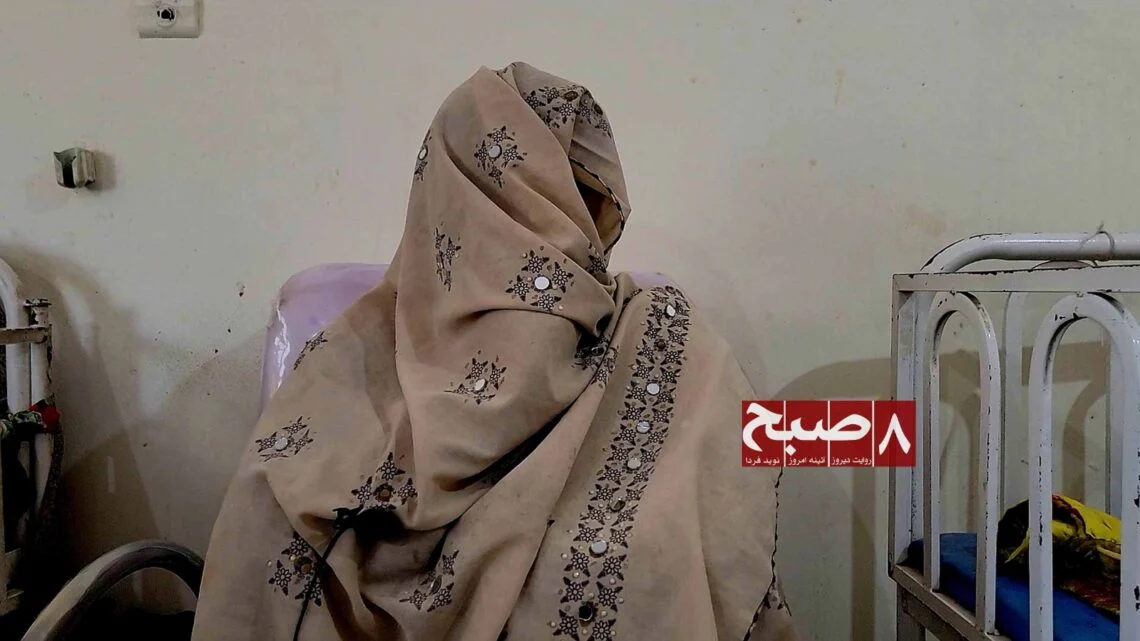
The severe shortage of female doctors and midwives in the southern region has become a serious problem for women’s health. Based on information from various health centers in Kandahar, Helmand, and Uruzgan, and statements from patients, many centers either have no female doctor or their female health staff lack the necessary professional capacity. This situation has forced women to hide their health problems from male doctors, or to face serious consequences as a result of incorrect diagnoses by unprofessional individuals.
You can read the Persian version of this report here:
کمبود شدید داکتران زن در حوزه جنوب؛ در بسیاری از شفاخانههای دولتی قابله نیز وجود ندارد