
I did not witness the fall of Kabul. I was 13 years old and living in Baghlan. At the time, I was not old enough to fully analyze all the political developments in Afghanistan, but I was old enough to understand that something important was happening.
The news kept coming one after another. The Taliban had approached Kabul and, shortly afterward, entered the city. The Islamic Republic of Afghanistan collapsed, and something that had seemed unimaginable to many just days earlier became a reality.
I was not in Kabul that day. I did not see the streets of the city, and I cannot say exactly what people were experiencing at that moment. What I saw was mostly through the news, phone calls, and conversations with my family and those around me. But perhaps the most important part of this story for me is that I was only 13 years old and did not understand how a political event could change the lives of an entire generation in the years that followed.
Five years have passed. Today, when I think about August 15, 2021, I no longer see that day simply as the day a regime fell. For me, this date has become a point from which Afghanistan’s history can be divided into “before” and “after.”
Over these five years, many things have changed that I might not even have imagined at the time, from education and employment to migration and the way young people view their future. But my experience was not the experience of Kabul.
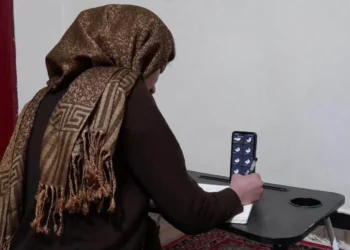
My friend, Leila Zafar, was living in Kabul and experienced that day firsthand. When I talk to her about August 15, I realize that even two people from the same generation and the same country can have completely different memories and perceptions of the same historical event.
Leila remembers that day as one of the most frightening days she has ever experienced. Her father was working for the government at the time, which made the fear and anxiety in their family even greater. They did not know what would happen to him after the fall of the government or what the future would hold for him and their family.
Leila says almost everywhere was filled with smoke that day. People were burning documents and records that could reveal that they had worked for the government, fearing that they would be discovered. Those who had worked for the government were fleeing their homes, and some homes and belongings were also looted.
Many people were too afraid to leave their homes. In Leila’s family, the main concern was also what would happen to her father because of his work with the government.
Those who wanted to leave Afghanistan headed toward the airport. But the situation there was not calm either. Leila says there was a great deal of chaos and confusion at the airport.
Some people tried to reach the planes. Some managed to get inside the aircraft and even removed seats to make room to sit. Others climbed onto the outside of the planes.
Several young men also held onto the exterior parts of the aircraft. When the plane took off, some of them fell onto nearby houses. An explosion followed. Many people lost their lives that day.
For Leila, August 15 was not simply the day a government fell. It was the day she experienced, firsthand, fear about the future, concern for her father, and uncertainty about what would happen to her family.
Her story is important to me because it shows that the “fall of Kabul” was not the same experience for all Afghans. For some, that day unfolded on the streets of Kabul. For others, it happened in the provinces, as they followed the news and worried about family members and relatives in Kabul. For others, it marked the beginning of a period that eventually led them to decide to leave Afghanistan.
That is why, when I place my story alongside Leila’s, I see that one historical event can create two completely different memories for two people from the same generation.
I was in Baghlan that day, following the fall of Kabul through the news and conversations with those around me. Leila was in Kabul, experiencing firsthand the fear and uncertainty surrounding her family’s future.
Five years later, I am no longer the 13-year-old girl who simply followed the news and tried to understand what was happening. I can now better see how the changes of that day entered the lives of my generation.
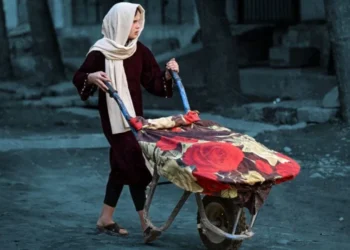
For a generation that has grown up during these five years, Afghanistan today is not simply a country that entered a new phase after a political change. It is the same country where education, work, migration, and the future have taken on different meanings for many young people.
Five years later, perhaps the main question is no longer, “What happened on August 15?” We all know what happened. The more important question is what happened to the people of Afghanistan afterward, and what picture of the future these five years have created for a generation that was made up of children and teenagers at the time.
I did not witness the fall of Kabul. But for five years, I have lived in Afghanistan after the fall of Kabul. Perhaps to understand what August 15 means to my generation, we need to look beyond what happened in Kabul and also listen to the stories of those who were in the provinces, those who stayed, and those who were forced to leave the country over these five years. Because August 15 was one day, but for many Afghans, its impact did not end that day.