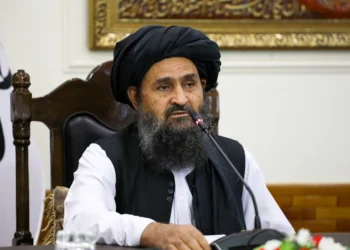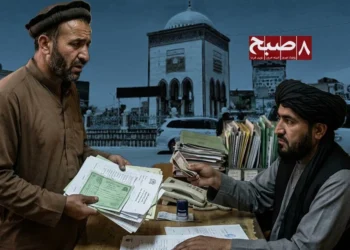
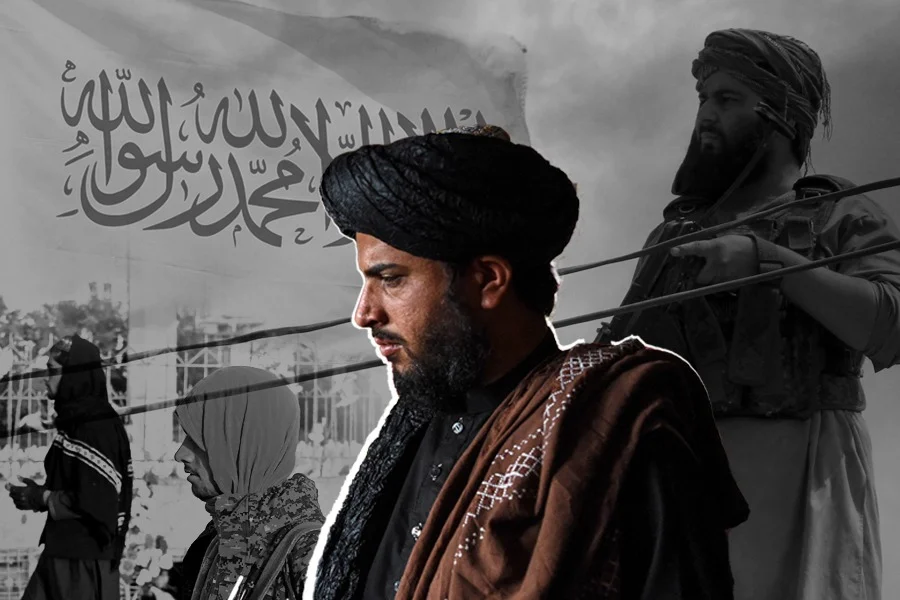
Human Rights Watch says that despite the Taliban leadership’s imposition of strict policies, officials within the group are not uniform in implementing the decrees, and there are disagreements among them.
Fereshta Abbasi, an Afghanistan researcher at Human Rights Watch, said on Thursday, October 1, that Taliban officials disagree over some policies, including the ban on girls’ education, and that the extent to which restrictions are enforced varies across provinces.
She added that some senior Taliban figures have publicly opposed the ban on girls’ education, while the Taliban leadership in Kandahar has taken a stricter position on the issue.
According to Abbasi, humanitarian organizations can also negotiate with local officials in some provinces over access to different areas and the employment of women.
She said these differences do not mean that the Taliban are moderate, but they show that local officials within the group make decisions about how to interpret and implement the decrees.
The article, prepared by Fereshta Abbasi, an Afghanistan researcher at Human Rights Watch, and Patricia Gossman, senior Asia associate at Human Rights Watch, shows that Afghanistan continues to face a serious human rights crisis.