The World Food Programme (WFP) has initiated its third round of distributing food aid in Parwan province. Around 10,000 families in the province are expected to receive assistance during this phase. However, as this program launches, some Parwan residents have voiced concerns about the fairness of the aid distribution process. They claim an imbalance, favoring certain recipients repeatedly. These residents continue to accuse the Taliban of interfering in compiling the beneficiary list, alleging that aid distribution is notably higher in areas historically accessible to the Taliban than in other parts of the province. Despite this, the province’s inhabitants are calling for equitable aid distribution from international relief organizations, notably the United Nations.
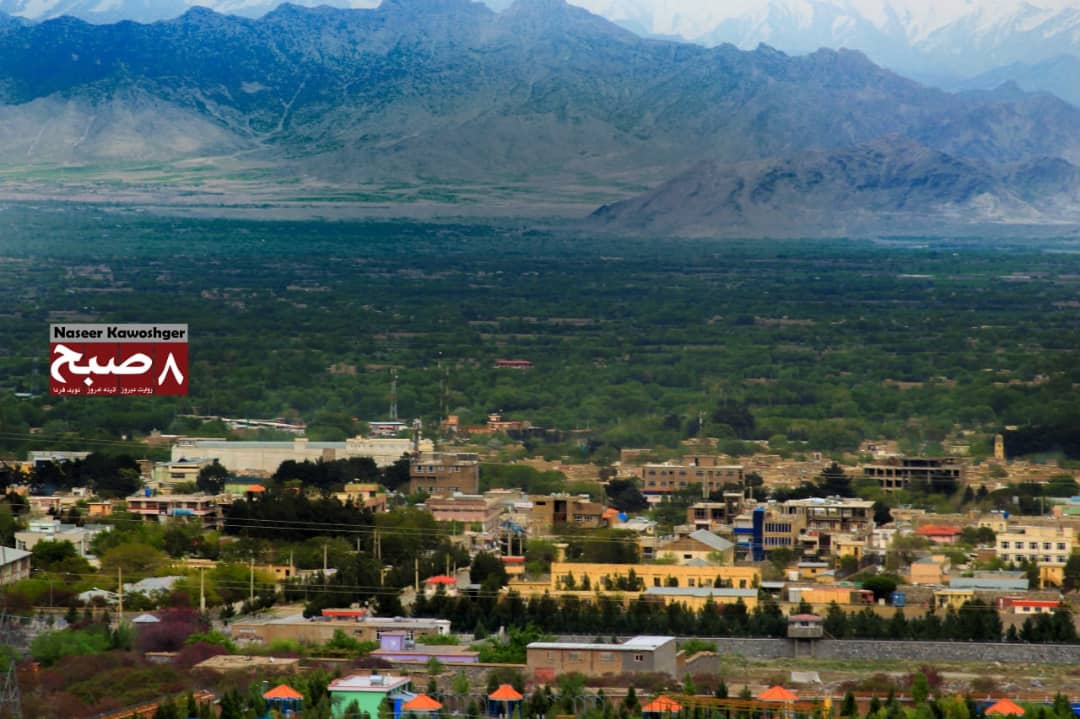
On Tuesday, July 25, the World Food Programme (WFP) initiated its third aid distribution round in Parwan province. This phase is expected to benefit a minimum of 9,830 families. According to local Taliban officials, the plan includes aiding 1,600 families in the Siahgard district, 480 families in the Sayedkhail district, 660 families in the Jabal Saraj district, 830 families in the Salang district, 750 families in Sheikh Ali district, 710 families in Surkh-o-Parsa district, 940 families in Shinwari district, 1,350 families in Begram district, and 1,800 families in Charikar city through the World Food Programme (WFP).
Mullah Abdul Samad Sadeq, the head of the Taliban’s Directorate of Rural Rehabilitation and Development in Parwan province, mentioned that the process of distributing aid from the World Food Programme (WFP) has begun across the province through organizations like AWARD and ABPHO. While the Taliban have repeatedly claimed the impartiality of their group in identifying beneficiaries for relief agencies, residents deem these Taliban assertions as “pure lies.”
Some residents of Parwan province have lodged complaints about the lack of balance in the distribution of aid, alleging that the Taliban tend to allocate the majority of assistance to repetitive and closely affiliated individuals. Shams-ur Rahman, a resident of Jabal Saraj district in Parwan province, stated that aid distribution ceilings are higher in areas historically dominated by the Taliban compared to other parts of the province. Speaking to the Hasht-e Subh Daily, he declared: “The Taliban and relief organizations are lying about transparency in aid distribution. The lists prepared by relief organizations have been coordinated with the Taliban. Village elders have all been introduced by this group themselves and they include individuals at their discretion. Since the arrival of the Taliban, I’ve received only one sack of flour, some oil, and a little other food, that’s it. I swear, I’ve not received anything else.”
Nazmuddin, another resident of Jabal Saraj district, said: “Aids are distributed to the relatives and friends of the Taliban. In the past two years, aid has been primarily directed to areas that were historically the most insecure and had a Taliban presence. In our district, aid was mainly distributed to the village of Guzar-e Payan, which were Taliban strongholds, while central villages received no aid at all.”
Forotan, a resident of Sayedkhail district, also expressed dissatisfaction with the lack of balance and insufficient assistance from relief organizations in the district. He is a rickshaw driver and earns between 100 to 200 Afghanis daily. He added: “No one here helps the poor. People have become ill out of desperation and have fallen into mental illnesses. I know people in Sayedkhail who struggle to have a piece of bread for dinner, yet they haven’t received any assistance so far. Some, like me, have received aid once or twice, but it’s been very minimal.”
Hamid Agha, a resident of the Begram district, also mentions that some individuals have benefited from relief aid three to five times, while he has not received any assistance so far. He added: “This issue is not limited to our district alone; it prevails throughout the country and the province. Thousands of Afghanis in Pashtun-inhabited regions of Parwan province, especially in the districts of Koh-e Safi and Siahgard, were distributed in cash, but we haven’t received a single Afghani. The Taliban claim that you’ve received a lot of aid over the past twenty years, so we won’t help you now. All aids have been focused on individuals and fellow villagers affiliated with the Taliban.”
However, residents of Parwan province are demanding a fair distribution of international relief organization assistance, especially from the United Nations, in this province. This request, reiterated by citizens over the past two years, has yet to be addressed.
Nonetheless, officials from the World Food Programme (WFP) reject these claims, stating that the humanitarian aid of this organization is carried out impartially and independently. Wahidullah Amani, the spokesperson for the World Food Programme in Afghanistan, stated to the Hasht-e Subh Daily: “We directly assist people based on independent needs assessment, either directly or through partner organizations (NGOs). Any interference identified in the food aid program leads to the suspension of assistance until we ensure that the beneficiaries can receive it directly and safely. We, along with other United Nations agencies, are in contact with current authorities at various levels to ensure our operational independence and comprehension and respect for humanitarian principles.”
It should be noted that the United States International Development Agency (USAID) has recently reported that the Taliban have infiltrated the process of distributing humanitarian aid from the United Nations and are intervening in their operations. According to the USAID report, the Taliban view global aid as a source of income and are seeking greater monopolization and control over it.
This report, of which a version has reached the Foreign Policy magazine, confirms that the Taliban systematically interfere with the distribution of aid and have raised questions about the United Nations agencies’ independence in allocating aid in Afghanistan. Foreign Policy magazine states that, according to this report prepared for the United States government and not yet published, the Taliban have exerted significant influence over United Nations agency operations.
However, on Wednesday, July 26, the Taliban’s Ministry of Foreign Affairs released a statement rejecting this report’s claims, asserting that the group assists the needy through relief organizations. The Taliban’s statement mentioned that the group allocates a portion of its domestic income annually to support needy families.