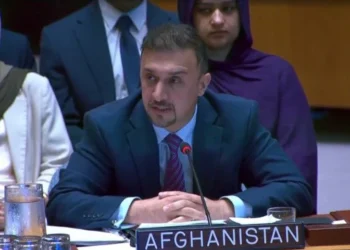
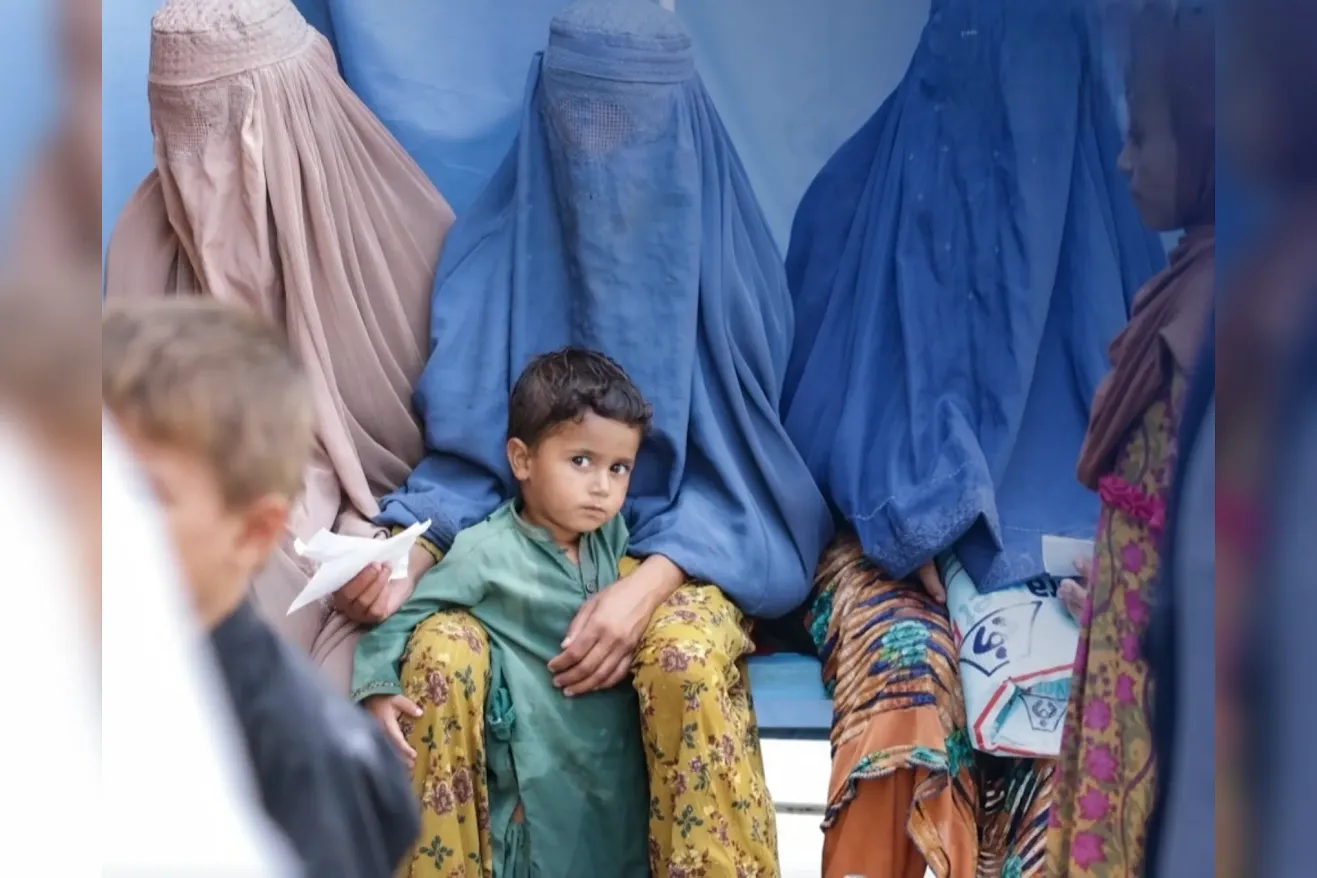
The United Nations has said in a new report that an estimated 13.8 million people in Afghanistan are expected to face food insecurity.
The UN secretary-general said on Tuesday, September 15, that the humanitarian situation in Afghanistan continues to deteriorate.
According to the report, the large-scale return of migrants, funding shortages, disruptions to trade, and the impacts of climate change are among the factors worsening the situation.
The United Nations’ 2026 Humanitarian Response Plan for Afghanistan requires $1.71 billion, but only 31.2 percent of the funding has been secured so far.
The report said heavy rainfall and flash floods have also caused significant humanitarian impacts in parts of eastern, southeastern, and central Afghanistan.
The United Nations also reported increased restrictions on humanitarian activities amid regional instability and disruptions to supply chains.
According to the report, aid organizations have turned to alternative routes to transport essential supplies, including the Lapis Lazuli Corridor through Turkey and Europe.
Meanwhile, the United Nations described the situation of women and girls in Afghanistan as remaining dire.
The organization said women and girls face severe restrictions on education, employment, freedom of movement, and participation in public life.