Introduction and Problem Statement
International politics has traditionally operated at two levels: the micro (national) and the macro (supranational and global). The net outcome of actors’ conduct at these levels determines the outlook for humanity’s collective life. The nature of agency in the international arena has always revolved around a fundamental duality. On one side are approaches based on de-escalation, multilateral diplomacy, and pacifism within the framework of international regimes and law. On the other are aggressive, unilateralist approaches that disregard global norms.
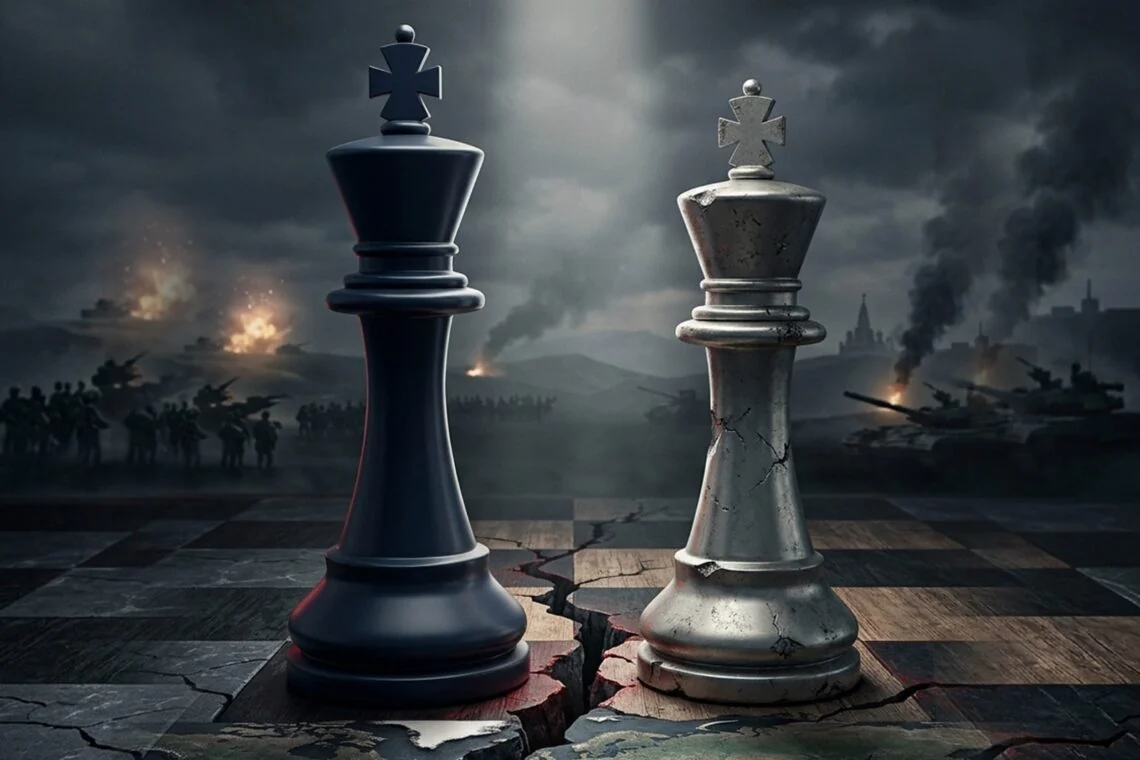
The consequences of these two approaches create a substantive difference in the lifeworld of human beings. The aim of this paper is to explain and assess the structural and tangible effects of international politics on citizens across the globe, particularly in crisis hotspots and areas of friction and tension. It is there that the conflict between the “supremacy-seeking” of hegemonic powers and the “survival-seeking” of peripheral societies reaches its peak.
Structural Indicators of International Politics in the Present Era
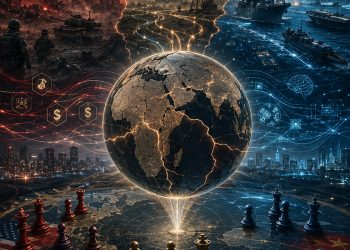
Contemporary international politics is characterized by a set of crisis-generating components that make understanding its dynamics unavoidable. These are tense geopolitical rivalries (the confrontation of major powers over regional and global primacy), a new arms race (a return to the policy of military deterrence and an astronomical increase in military budgets worldwide), and the expansion of spheres of influence (actors’ efforts to dominate trade arteries, economic corridors, energy resources, and vital regions).
Regardless of the political and security consequences of this harsh approach for states and official actors, what matters most in this paper is how the shrapnel of this structure strikes the lifeworld of citizens and the masses, particularly in vulnerable societies located in crisis hotspots.
Anatomy of the Paradox of Supremacy-Seeking and Survival-Seeking
In the literature of international relations, realist theories (Realism) mainly emphasize the “struggle for survival” (Survival) in an anarchic system, whereas major powers, beyond survival, pursue “power maximization” and supremacy. This paradox becomes critical when the cost of the supremacy-seeking of hegemonic patterns is borne by weak societies and ordinary citizens. In the meantime, micro actors and local communities in crisis-stricken regions are regarded merely as instruments in the game of major powers.
Human, Psychological, and Economic Consequences of International Tensions
Erosion of the collective psyche and human security: The first and most tangible consequence of tension-laden international politics is the imposition of high levels of anxiety, chronic stress, and psychological insecurity on citizens. Regions such as the Middle East, parts of South Asia, and Eastern Europe are prominent examples of this phenomenon. In these war-torn geographies, not only have the economic and livelihood structures of societies collapsed, but rising unemployment and inflation have also placed additional pressure on families.
War of narratives and psychological warfare: In the age of communication, news outlets and governments’ psychological operations play a key role in justifying tensions. This war of narratives turns public minds into silent victims and prevents the genuine voice of the afflicted from reaching the world.
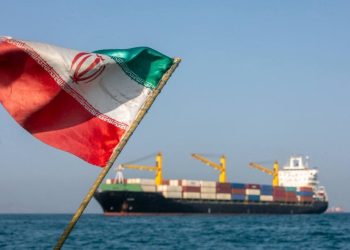
Ripple effects and the spillover of crisis to the global arena: The consequences of this paradox are not confined to peripheral regions and crisis hotspots. Its ripple effects have a global scope. For example, the escalation of conflicts in the Middle East has caused severe volatility in the energy market and structural inflation. This has confronted citizens across the world, including those in industrialized and European countries, with cost-of-living crises and civil protests. It shows that in the interconnected global economy, no place is absolutely safe.
Conclusion
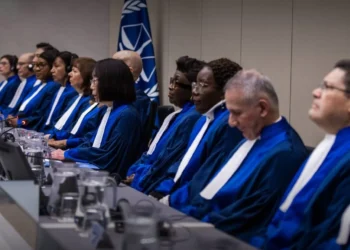
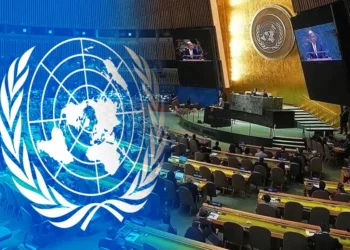
Under international legal norms and regimes, global actors are obliged to safeguard sustainable peace, stability, and security. In practice, however, the dynamics of the international system have tilted toward chaos, insecurity, and structural violence. In this exhausting confrontation between the supremacy-seeking of major powers and the survival-seeking of defenseless human beings, it is citizens and the masses of people around the world who pay the exorbitant costs of these policies. Overcoming this impasse requires a return to genuine multilateralism, the revival of international law, and the restoration of authenticity to the concept of “human security” in the literature of international politics. The United Nations (UN) and other international institutions responsible for protecting global security and peace need to break out of their state of passivity and severe inaction. In line with their global goals and responsibilities, they should take practical and effective steps to ensure global order, stability, and peace.
You can read the Persian version of this analysis here:
پیامدسنجی تنش در سیاست بینالملل؛ واکاوی پارادوکس برتریطلبی و بقاخواهی