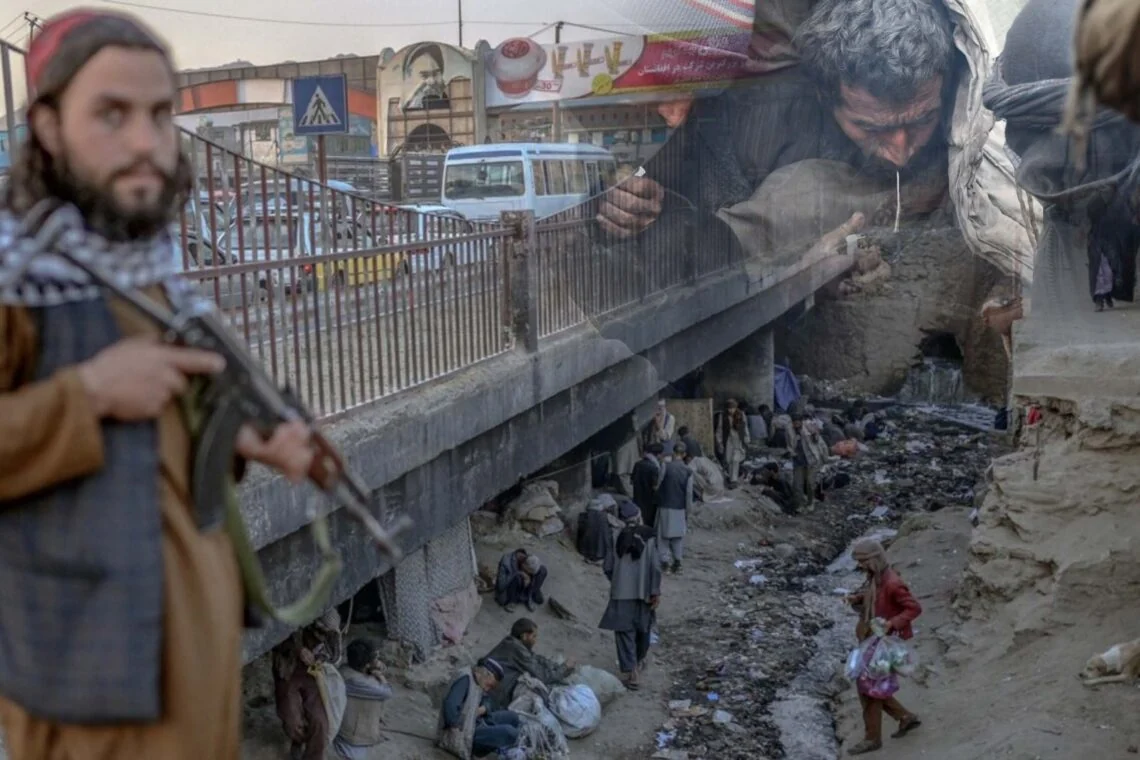
Several Kabul residents say the presence of drug users in the city’s alleys and streets has increased. According to them, in addition to people who have recently started using drugs, a number of those who were being treated at the Omid addiction treatment center were forced out of the center after Pakistan’s airstrikes and have returned to the streets. They say the return of people with addiction to the city’s alleys and roads has created conditions for more crime, including theft and pickpocketing.
Kabul residents expressed concern about the steady rise in the number of drug users in the city and say that if this situation continues, it could lead to the spread of social harms and problems caused by addiction in the capital.
Sotuda, a resident of Kabul, says that since the attack on the Omid addiction treatment center, drug users have again been seen in different parts of the city and along the roadsides. He adds that unfinished treatment and the lack of post-treatment support are among the factors behind these people’s return to drug use. According to him, easy access to drugs and the continued buying and selling of them have also made the problem worse.
Sotuda says: “These days we see drug users in every corner of the city. A few days ago, I saw a man sleeping beside the road with a quilt, and a few steps away, another person was sleeping in front of a shop. Unless the sale of drugs is stopped and there is an effective program for the treatment and support of people with addiction, society will not be freed from this problem.”
Salim (pseudonym), another Kabul resident, says the presence of drug users in different parts of the city has increased. According to him, easy access to hashish and other drugs, and their sale by some taxi drivers and others, has created conditions for those who had quit to return to drug use.
Salim says: “Hashish was available in Kabul before as well, but now access to it has become much easier. In different parts of the city, people use hashish. I know some taxi drivers who sell drugs and, if a customer asks, they get it for him. Hashish is even grown in homes. For example, my own uncle plants hashish at his house and uses it once it is ripe.”
Arman, another Kabul resident, says the return of drug users to the city streets has deepened concerns about rising crime. He adds that some people are offering drugs and intoxicating tablets to young people in back alleys near schools and residential areas.
Arman says: “After Pakistan attacked the Omid addiction treatment center, the presence of drug users across the city has grown, and disorder has also increased. This situation is becoming more worrying every day, because the addiction treatment center has still not resumed its activities and several people with addiction have scattered across different parts of the city. In my view, the increase in theft, pickpocketing and some petty crimes in different areas of Kabul is also linked to this situation. In some areas, including Khairkhana and the 315 area, people are offering drugs and intoxicating tablets to young people in back alleys near schools and in secluded places. At first they give these substances to young people for free, and after they become dependent on them, they charge money for them. We are worried that if this situation continues and there are no functioning addiction treatment centers, the number of people with addiction and the problems resulting from it will grow.”
Sakhi and Shahedullah, two other Kabul residents, stress the need for urgent attention to the situation of those with addiction and for the provision of functioning addiction treatment centers. They say that neglecting this situation could lead to further social and security problems.
Sakhi says: “Theft in Kabul has become very widespread. We have no peace at night, and thefts happen in the early evening and at various hours. People are worried about this situation. But regarding the number of drug users, I must say they are not as numerous as in the past. Their numbers are lower than before, but they are still seen in different parts of the city.”
Shahedullah says: “When a person with addiction has no job or income and drugs are also within reach, they may turn to theft and other acts to cover the cost of their drug use.”
The Omid addiction treatment center in Kabul was targeted in Pakistani airstrikes on March 16, 2026. According to the Taliban’s claim, about 3,000 people with addiction were undergoing treatment at the center at the time of the attack. The Taliban’s Ministry of Interior (MoI) had announced that 408 people were killed and another 265 were wounded in the attack.
Pakistan has rejected targeting the addiction treatment center and has said that its airstrikes targeted hideouts of the Tehrik-i-Taliban Pakistan (TTP) and the group’s weapons depots.
You can read the Persian version of this report here:
افزایش حضور افراد مبتلا به اعتیاد در خیابانهای کابل؛ پایتختنشینان نگرانند