• 8AM.MEDIA
  • ویب‌سایت فارسی
  • پښتو ویب‌پاڼه
  • اۉزبېکچه ویب‌سایت
  • Podcast
Saturday, September 12, 2026
Hasht-e Subh
  • Home
  • News
    • Afghanistan News
    • World News
  • Opinion
    • Editorial
    • Analysis
  • Reports
    • Daily Reports
    • Investigative Reports
  • Society
    • The story of people
  • Women’s Word
  • Columns
    • Three Years After Afghanistan’s Fall: The Taliban’s Resurgence
    • Towards Equality
    • The Resurgence of the Taliban: Two Years Since Afghanistan’s Fall
    • Hebatullah Report Special Edition
    • Resistance for Education Special Edition
    • Special Column on Taliban’s Education Curriculum
    • Nawroz
  • Interviews
  • Contact Us
    • About Us
    • 8AM MEDIA Annual Awards
    • Submit an Article to Hasht-e-Subh
  • 8am.mediaBack
Subscribe
No Result
View All Result
  • Home
  • News
    • Afghanistan News
    • World News
  • Opinion
    • Editorial
    • Analysis
  • Reports
    • Daily Reports
    • Investigative Reports
  • Society
    • The story of people
  • Women’s Word
  • Columns
    • Three Years After Afghanistan’s Fall: The Taliban’s Resurgence
    • Towards Equality
    • The Resurgence of the Taliban: Two Years Since Afghanistan’s Fall
    • Hebatullah Report Special Edition
    • Resistance for Education Special Edition
    • Special Column on Taliban’s Education Curriculum
    • Nawroz
  • Interviews
  • Contact Us
    • About Us
    • 8AM MEDIA Annual Awards
    • Submit an Article to Hasht-e-Subh
  • 8am.mediaBack
No Result
View All Result
Hasht-e Subh
No Result
View All Result

Electronic ID Cards in Afghanistan: Embezzled Fees, Endless Delays

Translated by Farhad Farhaad | Originally reported in Persian by Nima

Mohammad Mohammad
31 August 2026 - Solar Hijri Date: 1405/06/09 [t_time:1788194613]
A stack of Afghan electronic identity cards (e-tazkiras) is displayed amid reports of embezzlement and long delays in the distribution process. (Photo credit: didpress)

didpress

Sources report widespread problems in the process of collecting fees for and distributing electronic identity cards (e-tazkiras) across tazkira zones in Kabul and the provinces. They say part of the fees collected from applicants never reaches the banking system.

According to these sources, the main problems in this process are a lack of transparency in how fees are collected and transferred, delays in distributing tazkiras, cards being printed in the absence of applicants, and a rise in errors in the recorded information. In some cases, they claim, applicants pay the fee but then run into a problem with the biometric process or with the information on the card. They are then left waiting for months to have it corrected, and the fee is never refunded.

Several citizens of Afghanistan say the distribution process for electronic identity cards has faced technical and administrative problems on top of its existing identity-related and political challenges, drawing persistent complaints from applicants. According to sources, these problems have worsened since the Taliban took control, as the hiring of unqualified staff and Taliban fighters has compounded the difficulties. Recurring concerns include misspelled names, delays in distributing and printing tazkiras, and allegations of corruption and embezzlement of the revenue the process generates. The Taliban have not responded to any of these concerns.

Sources within the National Statistics and Information Authority (NSIA), which the Taliban control, say that in the zones distributing electronic tazkiras in Kabul and the provinces, fee revenue is not being deposited through the banking system, creating conditions for widespread corruption. According to these sources, rather than making the process transparent, the electronic tazkira distribution center collects the fee from applicants before the card is issued. When an error occurs on the card, applicants are then forced to wait months to have it corrected.

One source said: “When there’s a problem with a tazkira, or the biometric device fails to read a person’s fingerprint because of a physical issue with their finger and the biometric process cannot be completed, the money taken from them is not returned.” According to this source, many people run into trouble during the biometric process because of the strenuous labor they perform, and if their fingerprint cannot be registered, the fee they paid is not refunded.

The source added: “Money for electronic tazkiras is handed over outside the banking system. An amount equal to the number of tazkiras printed is transferred to the NSIA’s finance department, but the money tied to case files that have been received and reviewed but not printed stays with the managers at the center and gets embezzled. That is why applicants at most electronic tazkira distribution centers face delays of up to a month.”

Sources say that, under standard procedure, once an applicant’s identity has been verified and their biometric and demographic information collected, a quality control officer is supposed to enter that information into the system for printing the electronic tazkira in the applicant’s presence. If this procedure were followed, applicants should receive their tazkira within a week at most, given the weekly transfers between zones.

Sources involved in the distribution process say another problem is that tazkiras are often printed without the applicant present, which leads to more errors in the recorded information. They say that when an applicant is present at printing, they can review all the recorded information, and the card is only printed once they confirm it is correct.

Sources in the electronic tazkira distribution zone of Kabul’s Qarabagh district say delays in the distribution process had already been reported before, but instead of being resolved, the problems have grown significantly worse.

This comes after citizens of Afghanistan previously complained about Taliban obstruction of the electronic tazkira distribution process and about the group raising the price of the cards. Several residents of the capital and neighboring provinces had told the Hasht-e Subh Daily that they had been left waiting for months to obtain a tazkira and still had not received one. They accused the Taliban of obstruction, abuse, bribery, and favoritism, saying these practices have kept them from obtaining their identity cards.


You can read the Persian version of this report here:

تذکره‌های الکترونیکی؛ از حیف‌ومیل عواید تا سرگردانی متقاضیان

ShareTweetSendSendShare

Related Posts

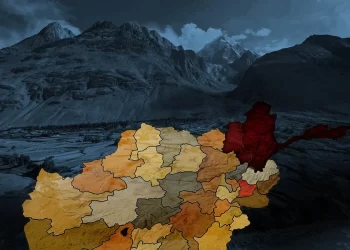
A shaded map highlights Badakhshan in Afghanistan's northeast against a backdrop of the region's rugged mountains. (Photo credit: Wikipedia)
Analysis

Badakhshan: From a Legacy of Resistance to a Role in Afghanistan’s Political Transition and the Building of an Inclusive National State

12 September 2026 [t_time:1789237315]
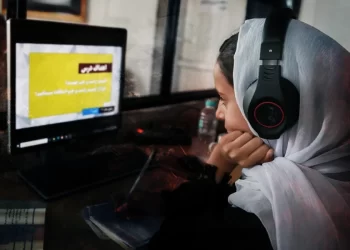
A girl attends an online class on her computer, part of Afghanistan's growing network of remote education for women barred from university. (Photo credit: Social Media)
Analysis

Woman Online University: Civil Resistance Redefines Education in Afghanistan’s Age of Closure

12 September 2026 [t_time:1789236462]
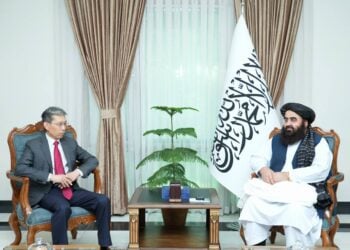
Amir Khan Muttaqi meets China’s ambassador to Kabul, Zhao Xing, to discuss bilateral relations and friendly ties. (Photo credit: @MoFA_Afg)
Afghanistan News

Amir Khan Muttaqi Meets Chinese Ambassador in Kabul

12 September 2026 [t_time:1789227477]

Latest

Loading latest news...

Popular stories

  • Hamza bin Laden - the son of Osama bin Laden (Photo: Social Media)

    Al-Qaeda Releases Hamza bin Laden Message on 9/11 Anniversary

    Share
    Share Tweet
  • Taliban Shoot Young Man from Herat After Torturing Him with Hands Tied

    Share
    Share Tweet
  • UN Women: Ban on Women’s Entry to UN Offices in Afghanistan Enters Second Year

    Share
    Share Tweet
  • Iran Foreign Ministry: US Attacks on Commercial Vessels Constitute Economic War Against Iran

    Share
    Share Tweet
  • Sajjad Haider Khan: Those with Valid Visas Will Continue Their Studies in Pakistan

    Share
    Share Tweet

Podcast

Insights
Insights

Join Lynne O’Donnell for 8AM’s podcast series, Insights.
Lynne talks with generals, diplomats, soldiers, journalists, politicians, activists, people who have front row seats for conflicts around the world, and citizens with a story to tell, happy or sad. For this first series, Afghanistan is the focus. Lynne and her guests talk about the collapse of the republic in August, 2021, and the impact since — for the people of Afghanistan, for the security of the region, for the safety of the world. It’s important, interesting and insightful.

Insights/22: Controlling the Narrative with Mina Sharif
byinsights8am

Controlling the Narrative

Lynne O’Donnell talks with Mina Sharif, author, activist, women’s rights campaigner, educator and mentor. They discuss who controls the narrative and who speaks for Afghanistan’s people when the Taliban appear to have seized control not only of the country but of the message, too.

Have a listen

Insights/22: Controlling the Narrative with Mina Sharif
Episode play icon
Insights/22: Controlling the Narrative with Mina Sharif
Episode Description
Episode play icon
Insights/21: Media Meltdown with Zahra Joya
Episode Description
Episode play icon
Insights/20: Terror Inc with Scott Richards
Episode Description
Episode play icon
Insights/19: Busting Stereotypes with Bushra Gohar
Episode Description
Episode play icon
Insights/18: Media Matters with Waliullah Rahmani
Episode Description
Episode play icon
Insights/17: What Goes Around Comes Around with Sima Samar
Episode Description
Search Results placeholder
Hasht-e Subh

8AM Media, also known as Hasht-e-Subh Daily, stands as Afghanistan's premier independent and non-profit newspaper, resonating as a beacon of journalistic integrity since its establishment in June 2007 by esteemed Afghan journalists and human rights advocates. With a steadfast commitment to citizen journalism and civic education, Hasht-e-Subh Daily has earned its place as the most esteemed publication in the nation.

Publisher: Sanjar Sohail
Email: [email protected]
Executive Director: Parwiz Kawa
Email: [email protected]

Read More

Badakhshan: From a Legacy of Resistance to a Role in Afghanistan’s Political Transition and the Building of an Inclusive National State

Woman Online University: Civil Resistance Redefines Education in Afghanistan’s Age of Closure

Taliban’s Propaganda Tactics: Sowing Discord Among Opposition Fronts and Stoking Fear of Civil War

Taliban Revenge: Critics Arrested Upon Return to Afghanistan from Abroad

Mullah Hafiz: How a Taxi Driver Became a Taliban Governor

Editor’s Choice

Every Saturday morning, 8AM MEDIA English Services Department will guide you through the week’s biggest stories from Afghanistan and the international community.

Subscribe

© 2026 - ©Hasht-e Subh Daily

No Result
View All Result
8am.Media
پښتو ویب‌پاڼه
ویب‌سایت فارسی
اۉزبېکچه ویب‌سایت
  • Home
  • News
    • Afghanistan News
    • World News
  • Opinion
    • Editorial
    • Analysis
  • Reports
    • Daily Reports
    • Investigative Reports
  • Society
    • The story of people
  • Women’s Word
  • Columns
    • Three Years After Afghanistan’s Fall: The Taliban’s Resurgence
    • Towards Equality
    • The Resurgence of the Taliban: Two Years Since Afghanistan’s Fall
    • Hebatullah Report Special Edition
    • Resistance for Education Special Edition
    • Special Column on Taliban’s Education Curriculum
    • Nawroz
  • Interviews
  • Contact Us
    • About Us
    • 8AM MEDIA Annual Awards
    • Submit an Article to Hasht-e-Subh
  • 8am.media

© 2026 - ©Hasht-e Subh Daily