Our region has been significantly more affected by climate change compared to many other parts of the world. Water scarcity is intensifying daily, and the population is growing rapidly. The unprecedented global warming and its adverse effects, particularly in our region, are becoming increasingly apparent over time in various forms such as droughts, floods, severe water shortages, and polluted air. Recently, the Persian Gulf region, parts of Pakistan, and Afghanistan have experienced unprecedented heat, disrupting daily activities in some cities in Iran and Arab countries.
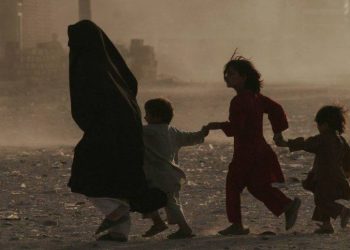
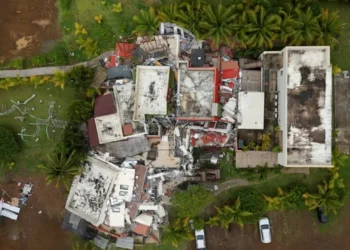
In Afghanistan, climatic upheaval and disorder have continuously and unexpectedly thrown the rural, agriculture-dependent lives of most residents into crisis. Drought, untimely rains, cold, and heat waves, floods, and storms constantly upend the lives of people deprived of the most necessities. Recently, rains and storms in Nangarhar province caused widespread destruction, resulting in dozens of deaths and hundreds of injuries. Last autumn and winter, most parts of the country experienced no snow or rain, leaving the land dry and slippery this spring. Then, heavy rains in the northeast, northwest, and some central and southwestern regions created devastating floods that swallowed agricultural lands, roads, and homes.
United Nations climate experts believe that 2023, although recorded as the hottest year, will have its records repeatedly broken in the coming years. UN Secretary-General António Guterres has warned that melting glaciers, deadly floods, severe storms, and continuous droughts are among the destructive impacts of climate change. He expressed this in a recent June meeting of the Shanghai Cooperation Organization leaders.
In the Middle East and Central Asia, the temperature rise has been twice the global average, severely impacting the governments and poor inhabitants of this region. This sometimes exacerbates tensions between regional countries, which might escalate into costly and destructive conflicts in the future.
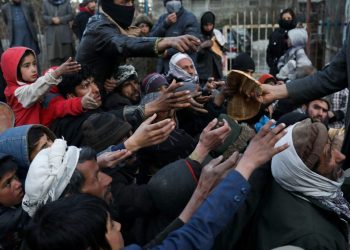
The UN Office for the Coordination of Humanitarian Affairs (Europe) reported on January 9, 2024, that 30 out of 34 provinces in Afghanistan are facing severe water shortages, and Afghanistan endured its worst drought in 30 years in 2023. The report also stated that Afghanistan is now in its third consecutive year of similar drought conditions, exacerbating environmental and economic challenges for its people. Consequently, Afghanistan is experiencing the highest level of food insecurity in the world. Since the 1950s, Afghanistan’s temperature rise has been twice the global average, with desertification accelerating rapidly.
On March 12, 2024, the United Nations Development Program in Afghanistan announced that 67% of Afghanistan’s population faced severe drought-related problems last year, while 16% were affected by floods. A representative of the Taliban-controlled National Environmental Protection Agency stated that 21 million people in Afghanistan are facing water shortages due to climate change. In Kabul, the capital, people are facing increasingly severe water shortages. Population growth and declining water levels are the main factors contributing to this situation in Kabul. According to the master plan of 1978, Kabul’s population was projected at 700,000, but now it is around six million, more than eight times that plan’s projection, while the necessary infrastructure for that minimal plan has yet to be completed. Besides climate change, other factors contributing to Kabul’s water crisis include excessive drilling of deep wells, encroachment on green areas, unplanned high-rise buildings, and overuse of groundwater. Reports indicate that the groundwater level in Kabul has dropped by about 5 meters annually in recent years, and many wells have dried up.
The climate crisis and water scarcity have coincided with population growth. Afghanistan now has the highest population growth rate among neighboring countries, Central Asia, and South Asia. According to the National Statistics and Information Authority (NSIA), the estimated annual population growth rate is around 2%. Thus, the population has increased by about 50% in fifteen years and is expected to reach 60 million by 2050. Nearly half of Afghanistan’s population is under 15 years old, and 70% live in rural areas. Population growth in poor countries is a major concern, leading to numerous economic and social problems, including deteriorating services and infrastructure over time, and these governments cannot keep pace with population growth to develop the economy and provide necessary infrastructure and services. Afghanistan is among the eight countries with the highest population growth in the world.
Approximately 10% of Afghanistan’s land is arable. Afghanistan covers 652,225 square kilometers or about 65.22 million hectares, with about 7 million hectares of arable land. Over 3 million hectares of this land are irrigated, accounting for about 5% of the country’s area. The rest of the arable land is rain-fed and highly dependent on seasonal rains. Furthermore, Afghanistan’s agriculture is not mechanized, and most agricultural land is farmed traditionally, resulting in very low productivity. As a result, the country is a constant importer of food and has not approached food self-sufficiency. In the absence of a popular government, technical and specialized institutions are almost shut down, and the rulers neither can plan and manage nor believe in the human role in mitigating natural crises and managing risks, worsening the situation.
As mentioned earlier, our region is one of the most vulnerable to climate change due to global warming, facing increased temperatures, water shortages due to reduced rainfall and groundwater levels, desertification, dust storms, and increased flooding or glacial melt. This situation threatens the region’s food security and has led to increased migration. This region, especially Afghanistan, is moving towards a dangerous future. Although Afghanistan and, to some extent, the entire region have had a negligible share in greenhouse gas emissions, with Afghanistan ranking 179th out of 209 countries, unfortunately, there is currently no action that can be taken against this injustice.
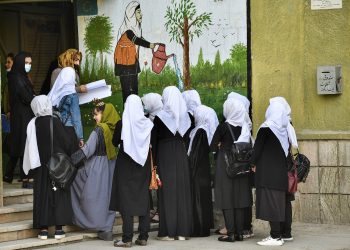
To mitigate the adverse effects of climate change, systematic efforts and continuous struggle are required. The primary responsibility for this task lies with the governments. Unfortunately, Afghanistan, in such an emergency, is governed by rulers who not only lack the ability and plans to combat the adverse effects of climate change but also do not value any constructive efforts beyond suppressing opponents and maintaining power. During the republic, although no tangible executive actions were taken to mitigate the effects of climate change, there was at least awareness that climatic crises were imminent and preparations were necessary. Preliminary efforts, including developing legal and administrative frameworks and contacting and signing agreements with several international organizations for cooperation and attracting technical and financial support, had been made. More importantly, the republic promoted education, work, and freedom, which, in the long term, would prepare the country in terms of human resources and technical capabilities to combat disasters and crises. Now, under Taliban rule, our homeland is witnessing regression in all dimensions, and thus the capacity to combat natural disasters and take measures to mitigate the consequences of these disasters has decreased compared to the republican era. The poor are the most affected by this situation. Increased poverty destitution and migration abroad in search of a piece of bread, despite many obstacles, are becoming more common daily. Efforts should be made to adapt agricultural activities, economy, water management, energy, and other environmental issues to the requirements of combating the effects of climate change to minimize its adverse effects and raise necessary awareness among the people. Climate change is inevitable, and we are all obliged to strive to avoid its adverse consequences. Our most important and urgent mission is to establish a government that prioritizes these issues and does not hinder the people’s preparation and technical and scientific equipment to combat crises.
You can read the Persian version of this analysis here:
افغانستان در گرداب تغییر اقلیم، افزایش جمعیت و بیدولتی | روزنامه ۸صبح