Over the past five decades, Afghanistan has faced numerous challenges, including war and insecurity, political and social instability, poverty, and unemployment. Among these, fires have emerged as a serious issue, significantly impacting the lives of people and the country’s infrastructure. This article examines the fires in Afghanistan in recent years, the factors influencing their occurrence, and their social, economic, and environmental consequences. Additionally, it addresses the importance and challenges of fire research in Afghanistan and proposes solutions for improving the situation.
The fires in Afghanistan can be attributed to various factors, the most significant of which include:
- Natural Factors: Afghanistan is prone to natural fires due to its geographical location and climatic conditions. Severe heat and dryness in the summer, lack of rainfall, and strong winds can lead to widespread fires in the country’s forests and grasslands.
- Human Factors: Many fires in Afghanistan result from human activities. These include negligence in using fire in forested areas, failure to observe safety principles in buildings and markets, and deliberate attacks by armed groups.
- Lack of Infrastructure and Safety Equipment: Afghanistan needs more equipment and facilities to combat fires. The country needs more adequate and trained personnel for firefighting, and fire departments often operate with outdated and insufficient equipment.
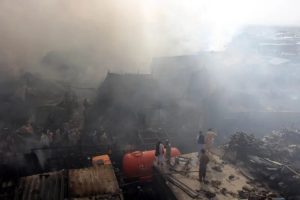
In the past two decades, numerous fire incidents have occurred across various regions of Afghanistan. Some of these fires, due to their extent and severity, have received significant media attention; however, significant scientific research and analysis have yet to be conducted.
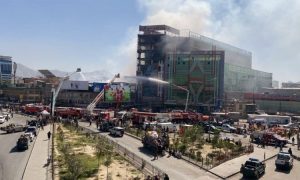
- Market Fires: Large markets in various Afghan cities, especially in Kabul, have repeatedly experienced widespread fires. These fires, due to the abundance of flammable materials, rapid spread of flames, and lack of safety facilities, have caused significant financial and human losses.
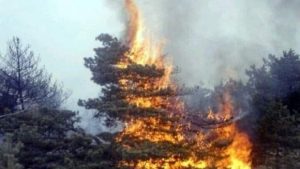
- Forest Fires: Forests and grasslands, particularly in the northern and eastern provinces like Nuristan, have frequently experienced widespread fires in recent years. These fires not only destroyed natural habitats and reduced biodiversity but also affected the lives of local people. Notably, global climate change significantly impacts the occurrence and severity of forest and residential fires in Afghanistan. Increased temperatures, decreased relative humidity, and changing precipitation patterns are direct consequences of climate change, leading to dry vegetation and reduced soil moisture. These conditions, especially in Afghanistan’s arid and semi-arid climate, greatly increase the risk of widespread fires. Additionally, changes in living patterns, human activities, and migration to forest areas for agriculture and livestock or establishing new settlements in fire-prone areas can increase fire risk. In recent decades, these changes have led to an increased risk of forest fires in Afghanistan.
- Residential Fires: Given the unsafe and improper structure of many residential buildings in cities and the connection of village houses with agricultural and fuel storage like wood in Afghanistan, residential fires occur frequently in cities and villages. These incidents often result from improper use of cooking facilities, heating, and electrical appliances, lack of appropriate safety systems, and high population density in cities.
Social and Economic Consequences
Fires have had extensive impacts on Afghan society and economy:
- Financial Losses: Fires have led to widespread destruction of property and infrastructure. Many businesses and stores in various markets have suffered severe financial losses due to fires, sometimes leading to permanent closure.
- Human Casualties: A large number of people have lost their lives or suffered serious injuries in fires. These incidents particularly affect vulnerable groups, including children, women, and the elderly, due to their inability to evacuate quickly.
- Psychological Impact: Fires have created fear and anxiety among the population, resulting in significant psychological impacts. Many families who have lost loved ones or property in fires face psychological and social problems.
Importance and Challenges of Fire Incident Research in Afghanistan
Fire is a serious issue in many countries worldwide, requiring extensive research and scientific studies. In countries like Afghanistan and neighboring regions, there is a clear lack of research and study in fire sciences. These gaps lead to inadequate preparedness in dealing with fire incidents, lack of proper safety standards, and weaknesses in crisis management. Some key challenges include:
- Lack of Data and Statistics: One of the most significant research gaps in Afghanistan and the region is the lack of accurate data and statistics on fires. Without access to comprehensive and accurate information, conducting scientific research and effective planning to combat fires is very difficult.
- Lack of Comprehensive and Effective Studies: Scientific studies and practical research on fires in Afghanistan and the region are very limited. Most existing research focuses on theoretical aspects of fires, with less attention given to practical and applicable solutions for prevention and fire management.
- Weakness in Training and Educating Personnel: Training and educating specialized personnel in fire sciences is another fundamental challenge. In Afghanistan, there are no proper educational and training programs for firefighters and crisis managers.
- Development of Research Infrastructure: Establishing research centers and specialized laboratories in fire sciences can help conduct comprehensive and practical research. These centers can also serve as international collaboration platforms and exchange knowledge and experience.
- Establishment of Reporting and Data Collection Systems: Developing efficient reporting and data collection systems for fires is another essential measure. These systems should be capable of accurately and comprehensively recording all fire incidents and analyzing data.
- Enhancement of Training and Education of Personnel: Training and educating specialized personnel in fire sciences should be prioritized. Conducting specialized training courses and workshops for firefighters and crisis managers can increase their awareness and skills in dealing with fire incidents.
- Strengthening International Cooperation: Collaboration with other countries and international organizations can help transfer new technology and experiences in fire management. Holding international scientific conferences and meetings, conducting joint research projects, and exchanging personnel are among the actions that can improve the situation.
- Formulation and Implementation of Safety Standards: Formulating and implementing appropriate safety standards in fire management can help reduce risks and damages caused by these incidents. These standards should be based on international research and practical experiences and be comprehensively applied in all areas.
Conclusion
Over the past two decades, fires have been a serious challenge for Afghanistan, significantly impacting the country’s society and economy. Due to the minimal efforts made to address this issue, serious actions are needed to reduce the occurrence and consequences of fires. Developing research infrastructure, establishing reporting and data collection systems, enhancing personnel training and education, strengthening international cooperation, and formulating and implementing safety standards are among the proposed solutions for improvement. By taking these measures, the risks and damages caused by fires can be reduced, contributing to better crisis management and sustainable development in the country.
Image Sources:
- Fire erupts at shopping mall in capital
- صدها مغازه در آتشسوزی گسترده در قندهار از بین رفت – BBC News فارسی
- آتشسوزی در بزرگترین مارکیت بوتفروشی شهر کابل | روزنامه ۸صبح
- آتشسوزی از نورستان به جنگلات کنر گسترش یافت – اطلاعات روز
You can read the Persian version of this analysis here:
آتشسوزیهای افغانستان: چالشها، اهمیت تحقیق و راهکارها | روزنامه ۸صبح