• 8AM.MEDIA
  • ویب‌سایت فارسی
  • پښتو ویب‌پاڼه
  • اۉزبېکچه ویب‌سایت
  • Podcast
Thursday, October 1, 2026
Hasht-e Subh
  • Home
  • News
    • Afghanistan News
    • World News
  • Opinion
    • Editorial
    • Analysis
  • Reports
    • Daily Reports
    • Investigative Reports
  • Society
    • The story of people
  • Women’s Word
  • Columns
    • Three Years After Afghanistan’s Fall: The Taliban’s Resurgence
    • Towards Equality
    • The Resurgence of the Taliban: Two Years Since Afghanistan’s Fall
    • Hebatullah Report Special Edition
    • Resistance for Education Special Edition
    • Special Column on Taliban’s Education Curriculum
    • Nawroz
  • Interviews
  • Contact Us
    • About Us
    • 8AM MEDIA Annual Awards
    • Submit an Article to Hasht-e-Subh
  • 8am.mediaBack
Subscribe
No Result
View All Result
  • Home
  • News
    • Afghanistan News
    • World News
  • Opinion
    • Editorial
    • Analysis
  • Reports
    • Daily Reports
    • Investigative Reports
  • Society
    • The story of people
  • Women’s Word
  • Columns
    • Three Years After Afghanistan’s Fall: The Taliban’s Resurgence
    • Towards Equality
    • The Resurgence of the Taliban: Two Years Since Afghanistan’s Fall
    • Hebatullah Report Special Edition
    • Resistance for Education Special Edition
    • Special Column on Taliban’s Education Curriculum
    • Nawroz
  • Interviews
  • Contact Us
    • About Us
    • 8AM MEDIA Annual Awards
    • Submit an Article to Hasht-e-Subh
  • 8am.mediaBack
No Result
View All Result
Hasht-e Subh
No Result
View All Result

Dumping Garbage on Roadsides: Taliban’s Mismanagement Puts Kabul’s Public Health at Risk

Avizha Khorshid Avizha Khorshid
4 November 2025 - Solar Hijri Date: 1404/08/13 [t_time:1762259804]
Garbage and sludge left along Kabul’s streets after drain cleaning raise public health concerns. (Photo Credit: 8am.media)

Kabul residents have complained about the lack of proper management in waste collection across the city. They say that the Taliban-run municipality, when cleaning drainage canals, removes garbage, mud, and other impure materials from inside the drains and leaves them piled up along the streets. According to residents, this practice causes unpleasant odors, dirtiness in the city, and an increased risk of disease outbreaks. They emphasize that the Taliban municipality must adopt a clear and organized approach to waste collection to prevent problems for pedestrians and the spread of illnesses.

At the same time, some other Kabul residents believe that people’s negligence toward maintaining urban cleanliness is the main cause of the current situation. They argue that if every individual took responsibility for keeping their homes and streets clean and cooperated with the responsible authorities, the city would have a much cleaner and healthier appearance.

Residents say that although the Taliban municipality collects the garbage a few days after removing it from the drains, it causes inconvenience to people before being transported away. They add that the unpleasant odor, the scattering of garbage across streets and alleys, the return of pollution to homes, and the growing risk of various diseases have made daily life difficult.

Takwir (pseudonym), a resident of Kabul’s District Four, says that similar practices occur in his neighborhood as well. He explains that the garbage remains in the alleys or streets for several days, and some residents pour wastewater from washing clothes or dishes onto the streets, which mixes with the garbage and creates problems for pedestrians. According to him, the smell is also extremely disturbing.

This Kabul resident adds, “A few days ago, a guest came to our house. Their child fell into the garbage. Even though we washed the child several times with clean water, their skin became irritated, broke out in rashes, and they became very ill. The bad odor from their body also did not go away. Although the municipal [Taliban] workers later pack the dried waste into bags and remove it, once it dries, its dust spreads through the entire alley or is carried by the wind back into the houses. This situation is truly distressing for both children and adults. Even those who work in nearby buildings suffer from respiratory illnesses caused by inhaling the dust.”

Darya (pseudonym), another woman who agrees with Takwir’s account, also blames the residents for this problem. She says that urban culture has not yet become established among the city’s population. “It’s unfortunate that from children to adults, everyone is careless and indifferent about this issue,” she remarks.

She adds, “It’s true that the [Taliban] municipality’s performance is poor and that it causes both inconvenience and the spread of various diseases. However, residents also play a major role in this situation, because if every household actively helped keep the drains in front of their homes clean and if our fellow citizens observed cleanliness, we would not face all this trouble.”

This Kabul resident further says, “Our problem is that everyone, young and old, has become used to this situation and pays no attention. Just look around—children and adults alike, after drinking or eating something like juice, soup, or anything else, throw the can, plastic, or paper into the drains. Everyone must take an active part in keeping our city clean.”

Meanwhile, doctors warn that such practices can lead to the spread of various diseases among both children and adults.

Dr. Abdullah Ahmadi says, “In developed countries, waste collection is always carried out by professional teams who have the necessary expertise. Nowhere in the modern world will you see garbage left on the streets or in the drains, because it causes the spread of diseases among people.”

He adds, “Some infectious diseases, especially those seen in clinics, include diarrhea, persistent stomach pain, skin conditions, and other illnesses caused by such pollution, which endanger public health. Therefore, municipalities have a duty to establish an effective and organized waste management system to protect citizens.”

With the beginning of the cold season, the practice of removing garbage from drains and leaving it along the roadsides has become one of Kabul’s serious urban problems. Residents complain about the foul smell and the risk of disease outbreaks, saying that the municipality delays garbage collection.

According to official statistics, more than 4,600 tons of waste are produced daily in Kabul, a large portion of which consists of plastic materials. The figures show that each person in Kabul generates, on average, between half a kilogram and one kilogram of waste per day.

Earlier, the United Nations Human Settlements Programme (UN-Habitat) and the UN Assistance Mission in Afghanistan (UNAMA) warned that the lack of proper waste and sewage management in Afghanistan threatens public health and that the country faces serious environmental challenges, including plastic pollution, deforestation, and the depletion of water resources.

You can read the Persian version of this report here:

رهاسازی زباله‌ها در کنار سرک‌ها؛ بی‌تدبیری طالبان سلامت کابل را به خطر انداخته است
ShareTweetSendSendShare

Related Posts

A loudspeaker used by a cart vendor sits among stacked bottles at a roadside stall in Kabul amid rising complaints of noise pollution. (Photo credit: 8am.media)
Daily Reports

Kabul Residents: Noise Pollution Disrupting People’s Peace and Sleep

27 September 2026 [t_time:1790517220]
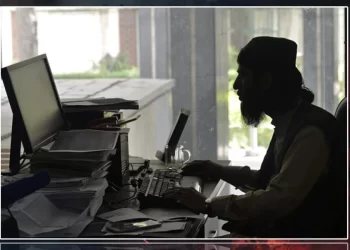
A silhouetted man works at a computer beside stacks of files in a government office under Taliban control. (Photo credit: AFP)
Daily Reports

Corruption and Discrimination Under Taliban Rule: Getting Hired Means Being a Talib or Having Ethnic Ties

21 September 2026 [t_time:1790013803]
A young man coughs as thick smog blankets a hazy Afghan city, reflecting the mounting health toll of air pollution. (Photo credit: AFP + Magnific)
Analysis

Afghanistan: When Pollution Becomes an Economy of Illness

20 September 2026 [t_time:1789925963]

Latest

Loading latest news...

Popular stories

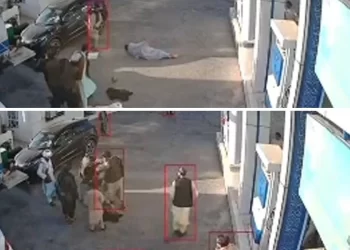
  • Surveillance footage shows Taliban fighters surrounding and shooting a bound man in Herat. (Photo credit: Social Media)

    Taliban Shoot Young Man from Herat After Torturing Him with Hands Tied

    Share
    Share Tweet
  • UN Report Reveals Shifts in Family Attitudes and Rise in Domestic Violence in Afghanistan

    Share
    Share Tweet
  • Al-Qaeda Releases Hamza bin Laden Message on 9/11 Anniversary

    Share
    Share Tweet
  • Sources: Kandahar Bombing Leaves Seven Dead and Eight Injured at Mirwais Hospital

    Share
    Share Tweet
  • Afghanistan’s Empty Seat at the Annual UN General Assembly

    Share
    Share Tweet

Podcast

Insights
Insights

Join Lynne O’Donnell for 8AM’s podcast series, Insights.
Lynne talks with generals, diplomats, soldiers, journalists, politicians, activists, people who have front row seats for conflicts around the world, and citizens with a story to tell, happy or sad. For this first series, Afghanistan is the focus. Lynne and her guests talk about the collapse of the republic in August, 2021, and the impact since — for the people of Afghanistan, for the security of the region, for the safety of the world. It’s important, interesting and insightful.

Insights/22: Controlling the Narrative with Mina Sharif
byinsights8am

Controlling the Narrative

Lynne O’Donnell talks with Mina Sharif, author, activist, women’s rights campaigner, educator and mentor. They discuss who controls the narrative and who speaks for Afghanistan’s people when the Taliban appear to have seized control not only of the country but of the message, too.

Have a listen

Insights/22: Controlling the Narrative with Mina Sharif
Episode play icon
Insights/22: Controlling the Narrative with Mina Sharif
Episode Description
Episode play icon
Insights/21: Media Meltdown with Zahra Joya
Episode Description
Episode play icon
Insights/20: Terror Inc with Scott Richards
Episode Description
Episode play icon
Insights/19: Busting Stereotypes with Bushra Gohar
Episode Description
Episode play icon
Insights/18: Media Matters with Waliullah Rahmani
Episode Description
Episode play icon
Insights/17: What Goes Around Comes Around with Sima Samar
Episode Description
Search Results placeholder
Hasht-e Subh

8AM Media, also known as Hasht-e-Subh Daily, stands as Afghanistan's premier independent and non-profit newspaper, resonating as a beacon of journalistic integrity since its establishment in June 2007 by esteemed Afghan journalists and human rights advocates. With a steadfast commitment to citizen journalism and civic education, Hasht-e-Subh Daily has earned its place as the most esteemed publication in the nation.

Publisher: Sanjar Sohail
Email: [email protected]
Executive Director: Parwiz Kawa
Email: [email protected]

Read More

UNICEF: More Than One Million Afghan Children to Receive Malnutrition Treatment

I Wish No Girl Had to Flee One Kind of Suffering Only to Face Another

The Myth of the Lost Tribes

Iran Prevented More Than 145,000 Afghans from Entering Illegally in Six Months

Large Fire at Islam Qala Customs in Herat Brought Under Control

Editor’s Choice

Every Saturday morning, 8AM MEDIA English Services Department will guide you through the week’s biggest stories from Afghanistan and the international community.

Subscribe

© 2026 - ©Hasht-e Subh Daily

No Result
View All Result
8am.Media
پښتو ویب‌پاڼه
ویب‌سایت فارسی
اۉزبېکچه ویب‌سایت
  • Home
  • News
    • Afghanistan News
    • World News
  • Opinion
    • Editorial
    • Analysis
  • Reports
    • Daily Reports
    • Investigative Reports
  • Society
    • The story of people
  • Women’s Word
  • Columns
    • Three Years After Afghanistan’s Fall: The Taliban’s Resurgence
    • Towards Equality
    • The Resurgence of the Taliban: Two Years Since Afghanistan’s Fall
    • Hebatullah Report Special Edition
    • Resistance for Education Special Edition
    • Special Column on Taliban’s Education Curriculum
    • Nawroz
  • Interviews
  • Contact Us
    • About Us
    • 8AM MEDIA Annual Awards
    • Submit an Article to Hasht-e-Subh
  • 8am.media

© 2026 - ©Hasht-e Subh Daily