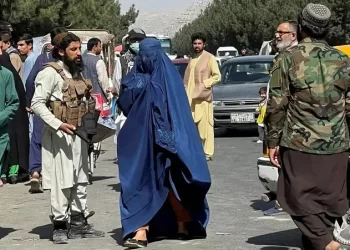

Yesterday, Taliban forces clashed with Iranian border guards. In this confrontation, the Taliban claimed to have disarmed an Iranian border guard. It is said that this incident occurred after the unauthorized entry of this Iranian border guard into Afghan territory. According to reports by the media, before this incident, an Iranian border guard consultant had entered Afghan territory and was detained by Taliban forces. The disarmed border guard, reportedly, had entered Afghan territory later to free the consultant. While border clashes with neighboring countries have become commonplace after the Taliban’s control over Afghanistan, the unauthorized entry of an Iranian consultant and an armed soldier from the official border marks a new and noteworthy development.
Since assuming power in Afghanistan, the Taliban have endured severe isolation, a situation unparalleled elsewhere in the world. This isolation has compelled the Taliban to seek closer ties with countries that have relatively fewer issues with their treatment of women and minorities. Iran is among the countries that have forged very close relations with this group over the past two and a half years. This country has even outpaced Pakistan, traditionally known as a supporter of the Taliban, in certain aspects. In international forums where the Taliban are absent, representatives of the Islamic Republic of Iran have sometimes appeared as supporters and even spokespeople for the Taliban. Although Iran had serious conflicts with this group during the first phase of Taliban rule in the country, including the killing of Iranian diplomats in Mazar-i-Sharif and military maneuvers near the Afghanistan border, certain factors have brought this country and the Taliban closer together this time. During this period, the Taliban have also attempted to keep both Iran and their enemy, the United States, simultaneously close to themselves to benefit from American dollar packages and political support and military consultations from the Islamic Republic of Iran. This group is keen on maintaining its proximity to Iran and pays special attention to Iranian officials and the government of this country to not lose the advantage of closeness with Iran.
The special attention the Taliban gives to Iranians has led the authorities of this country to consider Afghanistan as their backyard. The absence of America and its allies in Afghanistan has provided such an opportunity to neighboring countries, especially Iran. Iranian soldiers and advisors also believe that, like senior officials of this country, they are popular among the Taliban, and their unauthorized entry and exit would not provoke a reaction from this group, especially considering the Taliban’s need to establish close relations with Iran. Therefore, a border guard, without prior coordination and armed, enters Afghan territory from the official border because he believes that the Taliban owes a favor to that country and won’t react to their behavior. However, the Taliban do not consider political considerations when dealing with lower-ranking forces such as border guards. They engage in actions similar to what happened yesterday to solidify their authority.
These actions and reactions hurt the situation of Afghan refugees in Iran. Refugees in the two neighboring countries, Pakistan and Iran, have become tools for exerting pressure on these countries against the Taliban. Since most Afghan migrants live and work illegally in Iran, every time Iran engages in a conflict with the Taliban, the process of detaining and deporting these migrants intensifies. The Taliban are also not unhappy with the expulsion of Afghan refugees. Some of these migrants, who have sought refuge in Iran after the country’s collapse, are opponents of the Taliban. If expelled from Iran, they will fall into the hands of this group. In such a situation, these minor tensions in the relations between the Taliban and Iran do not create a gap because the regimes governing both countries are internationally isolated and need to establish warm relations with each other. The only group affected by this is Afghan refugees. They have nowhere to turn, and such tensions could endanger the lives of several refugees. Any Afghan refugee opposed to the Taliban, who is expelled from Iran and falls under Taliban control, is at risk of detention, torture, and even murder by the Taliban. The Taliban have previously detained, tortured, and sometimes even killed expelled individuals. Therefore, the smoke of these minor tensions between the two regimes over authority in Iran and the Taliban is seen by vulnerable Afghan refugees, increasing their vulnerability. Thus, minor tensions similar to yesterday in Islam Qala benefit the governing regimes in both countries. The expulsion of refugees, the inevitable consequence of such tensions, immediately benefits both parties.
The Taliban are an unpredictable group whose domestic and foreign policies are neither consistent nor adherent to any international principles. Each authority of this group considers itself the law and its decisions final. This group, which is not bound by any international principles, also does not adhere to the obligations of neighboring countries. Iranians, who consider Afghanistan under Taliban rule as their backyard, do not show much adherence to these obligations when confronted with the Taliban. Therefore, such tensions will continue to occur, but a serious rift in the relations between the two regimes will not emerge.