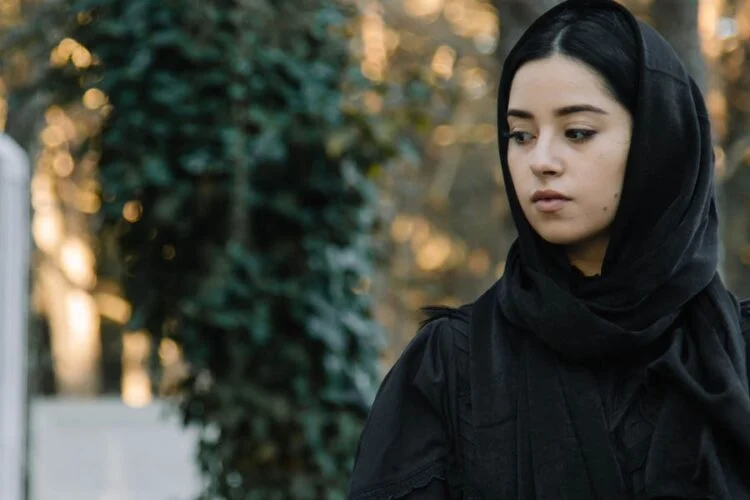
The harm one woman inflicts on another may be one of the most painful forms of suffering one can write about, especially when a woman who has herself experienced hardship, knowingly or unknowingly, imposes that suffering on another woman. For years, many girls and women in Afghanistan have carried wounds caused not only by men, but sometimes by women as well—wounds that are rarely discussed.
I am one of those girls. I was 18 when I lost my mother. With her death, I did not just lose my mother; I also lost part of my sense of security, shelter, and childhood forever. The home that had once meant “mother” to me was no longer the same.
After my mother’s death, my father remarried so that the family would not be left without someone to care for it. I never want to judge my father’s decision. Perhaps, like anyone else, he made what he believed at the time was the right decision for his life and the future of his family. But for me, the arrival of another woman in our home marked the beginning of a new chapter of loneliness.
My stepmother appeared to be a calm and ordinary woman, but our relationship never became what a daughter might hope for. Behaviors that may seem insignificant to others can be deeply painful for a girl who has just lost her mother. My brothers and I repeatedly experienced coldness, humiliation, and treatment that has remained with me to this day.
What hurt most was the change in my father. Perhaps no girl expects to lose her father emotionally as well after losing her mother. But I felt that the father who had once been my refuge was no longer the same person. Perhaps he was dealing with his own life and new responsibilities, but at that age, I was simply a girl who needed her father’s support.
I spent my entire adolescence longing for what I had lost: a mother who was no longer there, a home that no longer offered the same sense of peace, and a father I could no longer turn to as I had before. Despite all this pain, I tried to build a future for myself. I was admitted to Kabul University. For me, studying was more than education; it was a way to distance myself from the past and become self-reliant. I dreamed of finding a job, becoming independent, and building my life around my own choices. But Afghanistan takes women’s opportunities to fulfill their dreams away far too quickly.
With the fall of the republic, the university and the future I had built for myself were suddenly taken away. For me, that day was not simply the fall of a government; it felt as though I had lost something I had depended on for the second time. The same feeling I had experienced when my mother died returned: a sense of helplessness, loss of identity, and having no control over my future.
I could no longer attend university. I could no longer be the girl who was working toward her independence. Amid family pressure and despair about the future, I turned to marriage. I was 23, and I thought perhaps life would give me another chance this time. Perhaps I could find in my husband’s home the peace I had rarely experienced in my father’s home.
But sometimes a person runs from one kind of suffering without knowing that fate will lead her to another. I did not find the peace I had imagined in my husband’s home either. The presence and behavior of the women in my husband’s family placed another burden on me. Once again, that familiar feeling from childhood returned—the feeling that I had to remain silent, endure, and wait for things to perhaps get better one day.
But some “maybes” never become reality. I do not want to condemn anyone here. I do not want to blame my father, nor do I want to view all stepmothers or mothers-in-law in the same way. I know that many women are themselves victims of traditions, family pressures, and a society that limits their choices.
But one question has always remained in my mind: Why should a woman who has suffered herself make another woman suffer more? Why should a girl who has lost her mother feel like a stranger in a home that is supposed to be her refuge? Why, in so many families, is a girl who needs more support forced to remain even more silent?
I believe a woman should not make the suffering she has experienced into another girl’s inheritance. If a woman grew up with neglect, humiliation, or injustice, perhaps she can choose to break the cycle of that pain for the next generation rather than continue it.
This is not only my story. The fall of Afghanistan has disrupted the lives of thousands of girls and women. Girls who attended university, worked, dreamed of becoming independent, and planned their futures suddenly found themselves confined to their homes. Many were forced to make choices they might never have made under normal circumstances: early marriage, dropping out of school, economic dependence, and enduring circumstances they had no way to protest.
I am one of those girls, too. A girl who once had plans for her future at university now sometimes feels as though she is simply living to get through each day. Not because she had no dreams, but because she has had the opportunity to dream taken away from her again and again.
For Afghan women, Afghanistan is not merely a geography; for many of us, it is a collection of closed doors: the door to university, the door to work, the door to freedom of choice, and sometimes even the door to a home that should be the safest place in life.
I am writing this account today so that perhaps one woman’s voice can reach another woman. Perhaps a mother will read it and be kinder to her daughter. Perhaps a stepmother will read it and remember that the girl in the home is, before being someone else’s child, a child who needs love and security. Perhaps a woman who has suffered will decide not to pass her suffering on to another woman. And perhaps a girl will read this and know that she is not alone.
I wish no parent had to deprive a child of love and security because of the circumstances of life. I wish no girl had to flee a troubled home by taking refuge in a marriage whose future she is uncertain about. I wish no woman made another woman, simply because she is a woman, feel that she must endure more and remain silent.
We, the girls of Afghanistan, have endured more than we should have had to for years. Our silence has not always meant consent. Sometimes silence is the last thing left to survive. I remained silent for years, too. But today, I write—not for revenge, and not to condemn anyone, but to say that behind the silence of many women are stories that no one has ever heard.
And perhaps my greatest wish is this: that one day, no girl will wish she had never been born in Afghanistan, and no woman will feel that she wishes she had never been born a woman.