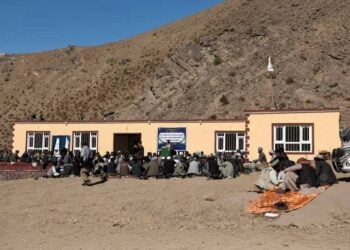
Several private schools in Ghazni province have changed their operating licenses from schools to religious madrasas. Findings by the Hasht-e Subh Daily indicate that some private schools in Ghazni have changed their operating licenses to religious madrasas since the beginning of the new academic year, and others are in the process of doing so. It is said that those converting school licenses to madrasas are aiming to enroll girls beyond the sixth grade.
Officials from some private schools in Ghazni say that due to the ban on educating girls beyond the sixth grade and the low presence of male students, they have turned to establishing madrasas to prevent economic collapse.
Speaking to the Hasht-e Subh Daily, these officials say that over the past two years, they had hoped schools would open to female students beyond the sixth grade. They add that due to the continued closure of schools for girls, they have changed their operating licenses to madrasas and, by doing so, have been able to attract more female students.
With the Taliban’s control over Afghanistan, the trend of establishing madrasas has increased, and all educational attention of the Taliban has been focused on religious schools. On the other hand, in addition to closing schools and universities to girls, the Taliban have also paid less attention to male students and university students.
Over the past three years, the Taliban have increased the number of religious subjects in the educational curriculum, which has been perceived as a decline in the country’s education trend by academic institutions.
However, the conversion of private schools to private madrasas in Ghazni province has also faced opposition from some residents of this province. Supporters view this move favorably, while opponents describe it as the promotion of fundamentalism and extremism by the Taliban.
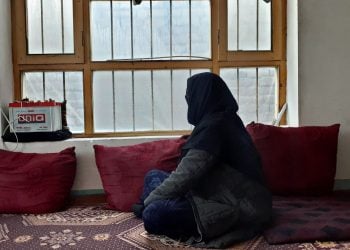
Ahmad (pseudonym), a resident of Ghazni, has enrolled his daughter in one of the religious schools. He explains that he feels compelled to send her there to alleviate psychological pressure. “To shield my daughter from further psychological distress, reopening schools is imperative,” he asserts. While acknowledging the advantages of modern schools over religious ones, he emphasizes the lack of alternatives in the present circumstances.
However, Ahmad Sajjad describes the conversion from regular schools to religious schools and the continuation of this trend as terrifying for the country. According to him, this action pushes society strongly towards extremism and “clericalism,” which will irreversibly damage the body of educational institutions in the country in the long run.
This Ghazni resident adds, “This is very wrong; every society needs professional cadres in every field. If everyone goes to religious schools, just imagine, in this situation, in ten years or so, how capable will we be to offer a good doctor, engineer, economist, etc., to society? This is truly regrettable.”
The trend of intensifying the conversion of private schools into religious madrasas in Ghazni has recently gained momentum. The Ministry of Higher Education and the Examination Department, now under Taliban control, conducted symbolic exams for hundreds of graduates from religious schools to obtain master’s degree certificates.
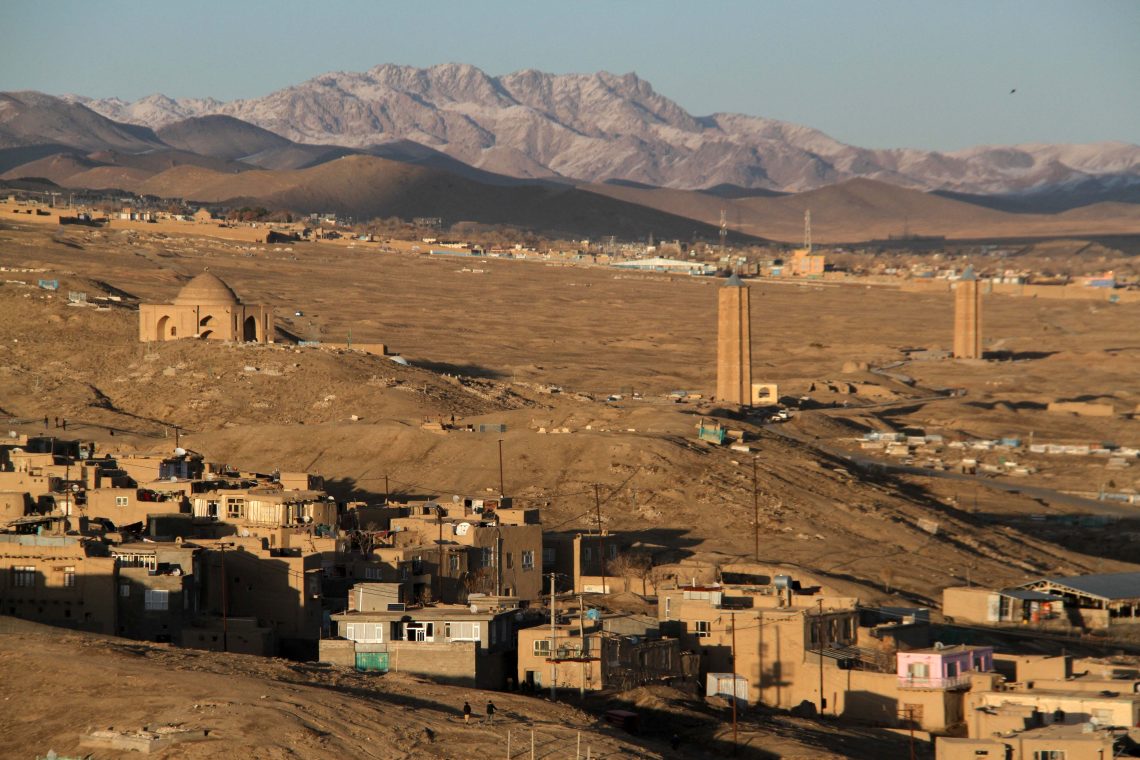
It is noteworthy that alongside government schools, there are at least 20 private schools active in Ghazni City, and in the past two years, dozens of religious schools have been built by the Taliban in the center and districts of this province and are funded by Taliban-affiliated administrations.
This comes as previously, Mullah Hibatullah Akhundzada, the absent supreme leader of the Taliban, issued an order to establish 100,000 teaching positions for madrasa for religious schools in Afghanistan, a move that has raised concerns among the citizens of Afghanistan. According to them, such actions are aimed at Talibanizing Afghanistan.