October 17 marks the International Day for the Eradication of Poverty.
The day is being observed as millions of Afghans continue to face poverty, unemployment and food insecurity.
Unemployment, rising food prices, restrictions on women’s employment, climate change, border closures and declining international aid are among the factors worsening poverty in Afghanistan.
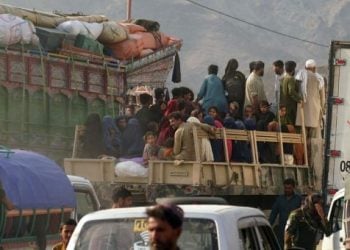
The large-scale return of migrants from Iran and Pakistan has also placed additional pressure on communities already struggling with limited resources and livelihood opportunities.
According to a United Nations report, more than 1.2 million Afghans have returned to the country from Iran and Pakistan this year.
The World Food Programme (WFP) and the Food and Agriculture Organization of the United Nations (FAO) warned in a report released on Thursday that 19.2 million people, equivalent to 38 percent of Afghanistan’s population, will face acute food insecurity in the coming winter.
Meanwhile, the United Nations said on the occasion of the International Day for the Eradication of Poverty that more than 2.8 billion people worldwide lack adequate housing or live in inadequate housing conditions.
According to the organization, poor and marginalized people are disproportionately affected by the lack of adequate housing.
The United Nations General Assembly designated October 17 as the International Day for the Eradication of Poverty in 1992. The day has been observed annually since 1993.