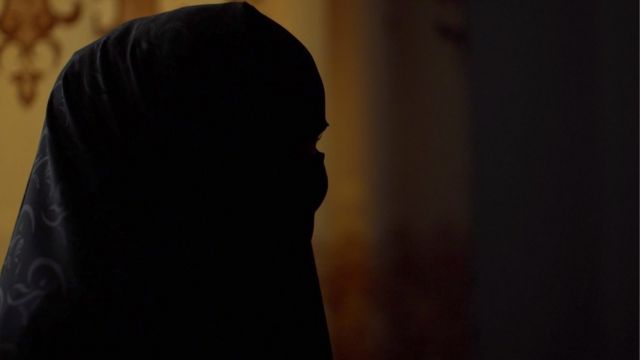
I am Zainab, the daughter of an Iranian mother and an Afghan father. My parents met and married in Iran, leading a happy life together. With the arrival of my brother and me, their happiness grew even more. We lived a simple yet beautiful life. My father worked in a greenhouse in Iran, while my mother ran a sewing workshop. Despite the demands of her tailoring business, my mother took good care of my brother and me. At night, my tired father would come home, and my mother would prepare delicious meals for our family of four. Those days were the best days of my life. Little did we know that as we grew older, different challenges awaited us. I was only three years old, and my brother was just one when another chapter in our lives unfolded – a chapter of darkness called orphanhood.
Yes! Because my mother was an Iranian woman, she couldn’t reconcile some of the challenges of life with my father, who was an “uneducated Afghan laborer,” and they separated. In the fire of their separation, my younger brother and I suffered. My mother didn’t insist on custody, and since she lived in her own country (Iran), she left us alone and pursued her own life and youth. The days of loneliness for me and my little brother began. My father didn’t work for months to take care of us. When this news reached my grandmother in Afghanistan, she moved to Iran. A week later, my grandmother arrived in Tehran. She came and wanted to give us, two orphan children, her maternal affection. But no one can replace a mother. Because she was very old and didn’t have enough strength to raise us, my grandmother went to find a second wife for my father. As my tired father returned home from work at night, he would always hear “Listen, my son, I will get you a wife,” repeatedly from my grandmother.
When my grandmother used to recount our childhood story, she always blamed my mother for ruining our lives. Perhaps she was right, who knows? It was the end of winter eleven years ago when my stepmother entered our trio.
Yes! My grandmother finally succeeded in convincing my father to marry a second wife. She had taken an Afghan woman for her son according to her wish. Years passed with our stepmothers, and my brother and I grew into teenagers. I was a seventeen-year-old girl. At the same age, my grandmother whispered this tale into my ears. But my life story began from that day onward. Being a girl is a crime anywhere in the world, and girls always become victims.
I had a cousin, a boy of my age, and since a stepmother raised me, my grandmother was taking charge, and wanted was always insisting my father get me married to my cousin. My father always found excuses, which upset my grandmother for defying her. After months of negotiations about this proposal, I finally got engaged at seventeen. Perhaps I wasn’t ready to start a life with a stranger, who was called a husband, and I felt I was too young for this experience.
A girl raised in Iran with soaring aspirations found herself trapped in a familial engagement. After being engaged to my cousin, I was asked to return to Afghanistan, where I was urged to grow up under the care of my mother-in-law and learn Afghan manners. The upbringing and etiquette of a stepmother in a country called Iran might differ greatly from Afghanistan. Truth be told, when my father broke the news to me, tears involuntarily streamed down my face, cursing my femininity, my fate, and my orphanhood.
I, a seventeen-year-old girl who had dreams just a few days before my engagement and went to school, became a victim of an early marriage. The only reason was the greater satisfaction of my family elders (my grandmother). Slowly wiping away my tears, I told my father: “Dear father! At least let me stay here. How can I leave the country where I was born and raised and go alone to Afghanistan?” My father, as usual, denied it and said, “No, my dear daughter, you must listen to your grandmother and go.”
I have always felt like an orphan (even though my mother was alive, but I had no news of her). I’ve tried countless times to search for her in Iran and would ask her why she left us. Or like a child, I wanted to embrace her and cry. But as always, when my father got wind of my thoughts, he would scold me and say, “You have a mother who raised you, your stepmother is your mother.” My stepmother is a good woman. She raised me and my brother, cared for us, loved us, but still, she could never fill the void of orphanhood in my heart.”
As I was gradually preparing for marriage, she accompanied me, the seventeen-year-old girl. After two weeks of all the preparations, I was ready to head towards Afghanistan.
My father accompanied me on this journey. It was Thursday, and we were supposed to depart that night. My father and I bid farewell to my stepmother, brothers, and younger sister. I left Iran with all its good and bad memories and my lost mother, and after a week, we arrived in Kabul. From the bus station, we moved towards my future husband’s house with a few suitcases. I felt different. I had entered Kabul, a city unfamiliar to me, and was supposed to live with people I had never seen before. After half an hour, we reached my future in-laws’ house. They welcomed us with smiling faces. I was upset by the situation, but they had come to welcome their future bride. Each of them hugged me separately and greeted me warmly. But no one knew the turmoil in my delicate heart.
Seeing my fiancé (my future husband), I became terrified. I felt ashamed. I was supposed to live under the same roof as him. Deep down, I wished it was just a dream. Accepting these events was unbelievable for me. But no, it was the bitter reality of a young orphan girl. After a month, our marriage was decided. Perhaps my future mother-in-law’s idea of upbringing was just one month of my stay at their house, advising a girl who was about to get married and teaching me household chores. Wedding preparations had gradually been completed. In a cold winter of twelve years ago, I got married, saying “I do” to the wishes of my grandmother and father.
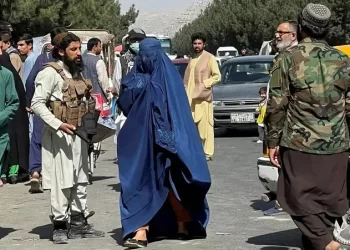
Now, twelve years have passed since that day. Twelve years of experiencing hardships, twelve years of enduring the injustice of my mother-in-law because of being an Iranian girl, being a wife to a husband who has never loved me, being a mother to four children, and the countless bitterness I’ve endured in these years. I congratulate myself for experiencing so much pain. Despite all the difficulties, the flood of the world’s injustice hit me again. Yes! The return of the savage Taliban government, my first experience with them, forced me to flee Kabul with my husband’s family and become a refugee in Pakistan. The life I had built for myself and struggled to cope with this grim fate was suddenly shattered, and we took the path of escape in search of salvation. The bitterness of smuggling, the tyranny of the Taliban at the Spin Boldak border, and the plight of starving my young children being stranded for several nights were other disasters that befell me.
Now, for half a year, we’ve been living in Pakistan, door to door, in uncertainty. But I still haven’t come to my senses, feeling as though all these years have been a dream, and I wish I could wake up and see the world in a different light. I wish my brother and I could live with our real parents, I could become a teacher, and my brother could paint. But alas, it’s all just a fantasy. I am a victimized woman, a victim of an underage marriage. Perhaps the reason is orphanhood; a mother I have, but it’s been over twenty years since I last saw her. If you’re alive, Mother, I wish to see you once and ask why you threw me into this abyss.
Note: The writer has written this narrative from the perspective of the victim.