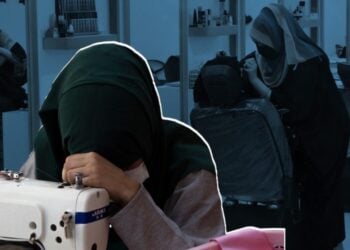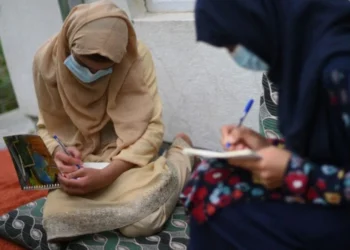
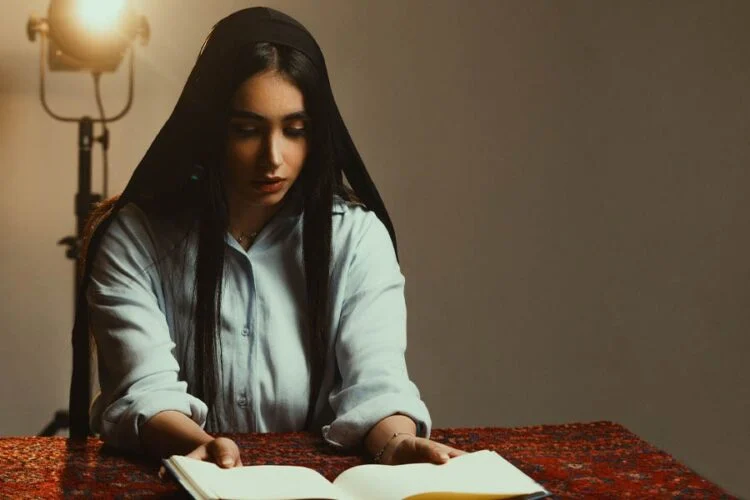
Much has been said about the restrictions, hardships, and suffering imposed on the lives of Afghan women and girls since August 15, 2021. It is widely reported that women and girls have been deprived of some of their most basic rights. They cannot attend school or exercise their rights to work and make decisions. Yet another aspect of this story appears to have been overlooked by many: the phoenix-like resilience and strength of Afghan women. Despite the wave of challenges and restrictions, we have also continued to witness growth and self-development. As the space around them becomes increasingly oppressive, women and girls are showing the courage to resist, not only outside Afghanistan but inside the country as well. Despite the restrictions, they find ways to continue. They do not put down their pens, they read books, and through learning and writing, they keep their voices alive.
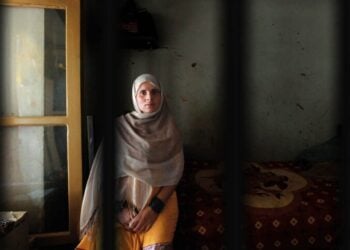
Afghan women and girls are often described as being confined, but less attention is paid to how they have transformed that confinement. They have turned homes into schools, rooms into workplaces, and pens into voices of protest. This does not mean that restrictions have created opportunities for them. No deprivation is an opportunity. Rather, opportunities are what women and girls have created for themselves in the face of those deprivations.
When the door of a school was closed to a girl, she did not close her book. When university was taken away from her, her thirst for learning did not disappear. When the path to employment was blocked, she did not give up but searched for another way. When they tried to silence her voice, her pen began to speak. This is the hidden part of the story of Afghan women: the story of women who refused to let “deprivation” become the final sentence of their lives.
Every time a door was closed, they looked for a window. When there was no window, they made an opening in the wall. They taught from their homes, started small businesses, worked online, wrote, and spoke about their rights and the rights of other women. Many of these efforts may appear small, but in a society where there are efforts to remove women from public life and confine them to their homes, every small step can carry great meaning.
So, when we speak of opportunity, we do not mean an opportunity that August 15 gave women. On the contrary, that day took away many opportunities from women and girls. We mean the opportunities women have created in response to the deprivation they face. This is precisely where the true strength of Afghan women becomes visible. They have refused to let restrictions define their lives. They have stood strong and resilient in the face of these restrictions. Yes, they cannot attend university these days, but wherever they are, they understand the value of knowledge. They may not have access to formal employment, but they can use their abilities to build and sustain their lives. At home, among the pages of a book, behind a computer screen, in a small room where they teach, in a workshop, and in thousands of other ways, they continue to live and build.
This resilience should not distract us from the central issue. We should not speak about women’s resistance in a way that makes the restrictions imposed on their lives appear normal. A woman studying at home is not a substitute for her right to attend school or university. Her small business is not a substitute for her right to freely work, and her resistance should not become an excuse for accepting deprivation. On the contrary, that resistance should remind us of their tremendous capacity.
We must understand that being a phoenix does not mean loving the fire. Nor does it mean glorifying the ashes. Being a phoenix means that when the fire arrives, something within a person remains that prevents everything from ending. Afghan women are phoenixes not because they chose to burn, but because despite the fire that has engulfed their lives, they continue to choose to rise. They have not surrendered. With every storm, they rise again from the ashes.
We must understand that they did not take opportunity from restrictions. They created opportunities in the face of restrictions. Perhaps this is the most important story of August 15: a story in which Afghan women are not merely victims of a situation, but people who, despite every effort to silence them, continue to build, learn, write, think, and stand for a different tomorrow. If the Taliban have closed the doors, the story of Afghan women is not a story of closed doors. It is the story of women who, behind those very doors, still hold the key to the future.