Over the past three years, the Taliban have consistently imposed severe restrictions on the media and female journalists. Female reporters state that these restrictions have made it increasingly difficult to continue working in domestic media outlets. They mention being deprived of access to information in various ways, facing greater challenges, and ultimately being forced to leave their jobs. These journalists also criticize domestic and international media support organizations for their inaction and lack of necessary assistance.
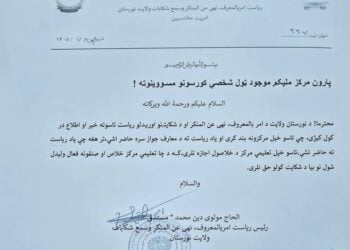
Some female journalists report that the Taliban have barred them from attending press conferences as part of their ongoing restrictions. They say the Taliban have explicitly told them there is no place for female journalists at these events.
Expressing concern over the current situation, these journalists claim they are systematically and deliberately denied access to information. They believe the aim is to create insurmountable obstacles for women in journalism, forcing them to abandon their roles.
Some female reporters complain of indirect censorship, saying the Taliban are making it increasingly difficult for them to work in domestic media. According to them, the Taliban create numerous barriers to completely exclude women from the field of journalism, forcing them to stay home. These journalists emphasize that the Taliban do not cooperate with them in any way and, in most cases, refuse to give interviews to female reporters.
According to these journalists, the Taliban explicitly state in their press conference invitations that there is no place for female reporters and they should not attend.
Mahbooba (pseudonym), a journalist, told The Hasht-e Subh Daily that the Taliban’s growing restrictions on women have made working in the media and accessing information extremely difficult. She noted that the Taliban explicitly mentioned in their invitations that there is no room for female journalists. Mahbooba sees this as part of a systematic effort to exclude female journalists from the media landscape.
She added that even in events where female journalists are allowed to participate, they are not permitted to ask questions because their faces might appear on television screens.
Mahbooba explained that the Taliban indirectly instructed media owners and managers not to send female reporters to their events. She said, “It is concerning that we are now being denied entry to some conferences. We have raised this issue with media support and advocacy organizations many times, but no action or support has been provided to address the problem.”
This journalist also mentioned that the general public refrains from giving interviews to the media. She said, “People fear the Taliban and most of them are unwilling to speak to the media. They are afraid they might accidentally say something against the Taliban during interviews, which could cause them trouble. As a result, reporters struggle to gather information for their programs.”
Sahar (pseudonym), another female journalist, described working in media as challenging for women. She stated that the Taliban discriminate between genders in interviews and do not provide satisfactory answers to female reporters’ questions. According to her, the Taliban deliberately withholds information from female journalists to portray them as weak and limit their career opportunities.
She further explained that even when interviewing ordinary people in public places, journalists must inform the Taliban’s local authorities beforehand; otherwise, they risk facing “inhumane” treatment from Taliban members. She said, “The Taliban discriminate against female reporters when answering questions and withholding information. When conducting interviews in open spaces, we must coordinate with local authorities in advance, or we may face harsh treatment, including the destruction of our equipment.”
These women also highlight other challenges journalists face in Afghanistan, including low salaries that fail to cover basic living expenses, delayed salary payments, and sudden dismissals due to budget constraints.
Female journalists in Afghanistan insist their voices should not be silenced by the Taliban’s restrictions. They urge media outlets to create opportunities for them to report and emphasize their determination to continue reflecting the realities and struggles of the people.
Another journalist, who wished to remain anonymous, said, “Media outlets face their challenges. Despite the low salaries, we persist in ensuring our voices are not erased. However, some outlets have either dismissed female journalists or stopped hiring them altogether.”
Over the past three years, the Taliban have imposed numerous restrictions on media, including banning the broadcasting of images and videos of living beings. Recently, they ordered the transformation of Afghanistan’s national television broadcasts into Radio Voice of Sharia.
In a recent report, the Afghanistan Journalists Support Organization revealed that female journalists face many obstacles in Afghanistan, with institutions—including those run by the Taliban—refusing to provide information. A survey conducted among dozens of female journalists found that security, education, health institutions, and the Prime Minister’s Office under the Taliban are among those preventing women from accessing information.
Other restrictions imposed by the Taliban over the past three years include banning women from working in national radio and television, preventing media coverage of protests and civil demonstrations, banning music broadcasts, enforcing strict dress codes for women, segregating women’s roles in media, prohibiting interviews between women and men, and many more.
You can read the Persian version of this daily report here:
ادامه محدودیتهای رسانهای طالبان؛ در نشستهای خبری برای زنان جای نیست | روزنامه ۸صبح