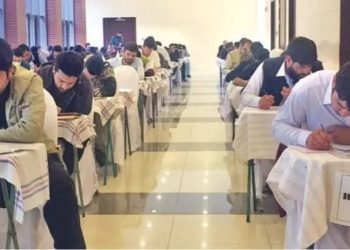
The Taliban regime has spread a devastating sense of despair throughout the country. A majority of young people have dropped out of school due to concerns about an uncertain future and ongoing poverty and unemployment. An entire generation of educated individuals is in complete despair, and the primary concern of most people, young and old, is to leave the country. The sense of attachment to the homeland has largely disappeared among citizens. Some educated individuals report that thousands of Taliban fighters are obtaining academic degrees up to the doctoral level by passing a superficial test, which saps their motivation and energy. Meanwhile, some girls who have been deprived of education consider themselves outcasts and emphasize that they have no hope for the future, living a tragic life.
Many citizens under the Taliban’s rule speak of widespread hopelessness and a lack of national belonging. They state that despite numerous hardships over the past three years, they had hoped for an improvement in the situation. However, their hopes have now turned to despair, and they feel like they are living in a vast prison.
Citizens stress that if it were not for the fear of the Taliban’s brutal and oppressive suppression, non-Taliban-minded Afghans would not tolerate the group’s rule for a single day. According to them, the country has now turned into a Madrasa of the Taliban, and the voices and faces of the people reflect fatigue and despair.
In conversations with the Hasht-e Subh Daily, many citizens confirm that the Taliban’s administrative, financial, and sexual corruption has unprecedentedly increased and is rarely reported due to the repressive atmosphere. They claim that the squandering of public assets, particularly the country’s mines, has peaked, sounding the alarm for plunder.
Numerous videos circulating on social media show citizens, especially shopkeepers and the unemployed, weeping before YouTubers’ cameras due to extreme poverty and unemployment, stating that they cannot even afford a dry piece of bread for their children.
Yama (pseudonym), a young man, likens the current situation in Afghanistan to a “silent tsunami.” He says that any disaster should be expected given the current circumstances. According to him, a vast generation of educated individuals is in complete despair, and everyone is thinking of leaving Afghanistan as their attachment to the homeland is fading.
Mr. Yama adds, “Young people have no motivation for knowledge and education because they see no bright future for themselves. Despite my hard efforts to get into a master’s program, I dropped out after one semester because my motivation and enthusiasm had died. Moreover, I see the Taliban awarding master’s degrees to 50,000 fighters in a single day, which is a disaster for knowledge, education, and the future of Afghanistan.”
This educated young man states that citizens have no security or freedom, and corruption is rampant in Taliban-run institutions, where nothing gets done without a bribe. According to him, threats, harassment, poverty, unemployment, migration, addiction, violence, and mental illnesses have made life extremely difficult for people.
Mr. Yama emphasizes, “Currently, in all families with girls deprived of education, there is latent sorrow and despair, increasing mental pressures and even leading to suicides.”
Meanwhile, Aida (pseudonym), one of the girls deprived of education, has many unspoken sorrows. She feels like an outcast in society and stresses that she has no hope for the future, living a tragic life. She says that even if the university opens to her one day, the hard days she endured and the rejection from society will haunt her like termites.
Ms. Aida describes the situation of women under the Taliban as indescribable. She was a third-year journalism student at Badakhshan University when she was forced to stay home by the Taliban’s orders. She recalls the enthusiasm with which she attended university, carrying great dreams.
This girl, deprived of education, says, “I have not given up; I read books and study online, but the feeling of being excluded from society, prevented from education and work, deeply affects my soul. Our classmates celebrated their graduation and wore graduation hats, but we only saw their pictures and cried. When I saw their photos on social media, tears flowed because it deeply affected me. Why should we be imprisoned at home for no crime?”
Over the past three years, the Taliban have continued extrajudicial killings, arbitrary detentions, and reprisals against former military personnel and government employees. In a recent incident, they brutally murdered a young man named Hikmatullah in Herat province. He was arrested and killed by Taliban intelligence, and videos on social media show he was severely tortured and then strangled.
Moreover, the Taliban shot a 10-year-old child in Nangarhar province after he disobeyed their order to stop collecting wood and firewood. Sources say the child, named Taha, was shot by Taliban fighters when he ignored their command.
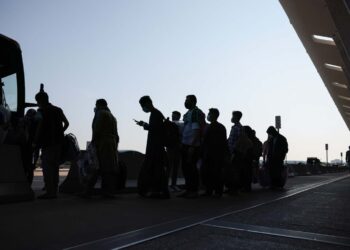
Concerns about an uncertain future, lack of social security, absence of civil liberties, and the continuation of Taliban repression have led to an unprecedented wave of migration to near and distant countries.
The International Organization for Migration recently reported that from April 1 to June 30 this year, 532,854 Afghans have left the country. The main reasons for this mass migration are the search for economic opportunities, social security, and the hope for a brighter future.
Citizens express their concern about the widespread despair and lack of national belonging. According to the 2024 World Happiness Report, Afghanistan ranks at the bottom of the list of 143 countries, making it the saddest country in the world. Happiness is measured based on life expectancy, GDP per capita, social support, low corruption, generosity, support from others, and freedom to make life choices.
You can read the Persian version of this daily report here:
ناامیدی فاجعهبار شهروندان در حاکمیت طالبان؛ تعلق خاطر به وطن در حال نابودی است | روزنامه ۸صبح