• 8AM.MEDIA
  • ویب‌سایت فارسی
  • پښتو ویب‌پاڼه
  • اۉزبېکچه ویب‌سایت
  • Podcast
Sunday, October 4, 2026
Hasht-e Subh
  • Home
  • News
    • Afghanistan News
    • World News
  • Opinion
    • Editorial
    • Analysis
  • Reports
    • Daily Reports
    • Investigative Reports
  • Society
    • The story of people
  • Women’s Word
  • Columns
    • Three Years After Afghanistan’s Fall: The Taliban’s Resurgence
    • Towards Equality
    • The Resurgence of the Taliban: Two Years Since Afghanistan’s Fall
    • Hebatullah Report Special Edition
    • Resistance for Education Special Edition
    • Special Column on Taliban’s Education Curriculum
    • Nawroz
  • Interviews
  • Contact Us
    • About Us
    • 8AM MEDIA Annual Awards
    • Submit an Article to Hasht-e-Subh
  • 8am.mediaBack
Subscribe
No Result
View All Result
  • Home
  • News
    • Afghanistan News
    • World News
  • Opinion
    • Editorial
    • Analysis
  • Reports
    • Daily Reports
    • Investigative Reports
  • Society
    • The story of people
  • Women’s Word
  • Columns
    • Three Years After Afghanistan’s Fall: The Taliban’s Resurgence
    • Towards Equality
    • The Resurgence of the Taliban: Two Years Since Afghanistan’s Fall
    • Hebatullah Report Special Edition
    • Resistance for Education Special Edition
    • Special Column on Taliban’s Education Curriculum
    • Nawroz
  • Interviews
  • Contact Us
    • About Us
    • 8AM MEDIA Annual Awards
    • Submit an Article to Hasht-e-Subh
  • 8am.mediaBack
No Result
View All Result
Hasht-e Subh
No Result
View All Result

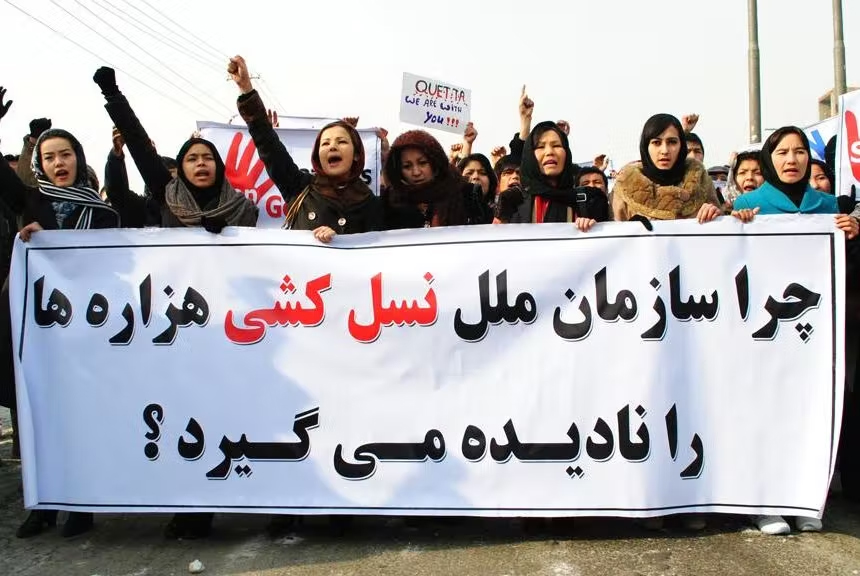
Filing Genocide Case, Importance of Referring it to the United Nations

Hasht-E Subh Hasht-E Subh
9 October 2022 - Solar Hijri Date: 1401/07/17 [t_time:1665336181]

To prevent genocide, actions should be taken through international institutions and the United Nations.

Actions must be taken to recognize the Hazara/Shia genocide and bring the perpetrators to justice. Human rights organizations and victims’ representatives can request the establishment of a commission through the representative of Afghanistan in the United Nations or directly from the Secretary General of the United Nations to investigate the claim of widespread human rights violations (genocide) of Hazaras/Shias in Afghanistan.

After forming a fact-finding commission, collecting documents, submitting a report to the UN Security Council, and confirming the claim of the genocide of the Hazaras, the UN has a legal duty to prevent it.

If the United Nations declares genocide, the signatories of the UN Convention on the Prevention of Genocide are legally bound to take action to end it. Genocide means the systematic and planned destruction of a national, racial, political, or ethnic group. It is possible that in addition to the genocide, widespread cases of human rights violations such as crimes against humanity or war crimes have also occurred in Afghanistan. The best way to file an international lawsuit and prevent the systematic killing of the Hazaras is to request the Secretary General of the United Nations or the Security Council to form a special fact-finding commission. The report of the United Nations Fact-Finding Commission is of great help in documenting and formalizing the alleged cases of widespread human rights violations (genocide, crimes against humanity, and war crimes) in Afghanistan.

If a fact-finding commission is formed and this commission examines the documents and evidence and submits its report, after submitting the report and declaring genocide or war crime or crime against humanity, the United Nations is obliged to take practical action to end it. The United Nations can intervene through the Security Council or refer this crime to the International Criminal Court (ICC). Previously, commissions were established by the United Nations to investigate the genocide of the Tutsis in Rwanda.

Since the Taliban do not have international recognition and internal legitimacy, they may not consider themselves accountable to the citizens and the international community; but according to the United Nations Charter and the Universal Declaration of Human Rights, all human beings as members of nations, regardless of whether they live under official or unofficial rule or without government, include and benefit from basic human rights. Article II of the Universal Declaration of Human Rights is clear in this regard.

Article II of the Universal Declaration of Human Rights states: “All human beings, without distinction of any kind, regardless of race, color, sex, language, religion, political or other opinions, social or national origin, property, birth, etc. or in whatever position they are, they deserve all the rights and freedoms mentioned in this “Declaration”. In addition, there is no distinction between people based on the political status, jurisdiction, and international status of the country or territory to which a person belongs, regardless of whether his land is independent, under a trusteeship, non-autonomous, or under any restrictions on its sovereignty.”

On the other hand, the “Convention on the Prevention and Punishment of the Crime of Genocide” consider genocide to be an international crime and a violation of international criminal obligations, and holds the United Nations responsible for it.

If the genocide is recognized by the United Nations, it is considered a threat to humanity and requires the intervention of this organization. On the other hand, both the Taliban as the accused and the government in which the genocide took place have been careless in ensuring the security of a certain ethnic/religious group and will be held accountable. According to the Convention on the Prevention and Punishment of the Crime of Genocide, “the violation of international law is not within the scope of national obligations, but it means the violation of international law obligations, which, according to the decision of the International Court of Justice, the negation of the international obligations of the principle (goodness to all), it is the obligation of every country towards the international community.” Therefore, the crimes of genocide oblige not only the country where the crime occurred but also the international community.

Therefore, to provide justice, prevent genocide and massive violation of human rights and prosecute its perpetrators, it is necessary to act through the mechanisms of the United Nations to achieve a practical result.


Abdullah Ahmadi – Contributor and Opinion Writer, Hasht-e Subh Daily
ShareTweetSendSendShare

Related Posts

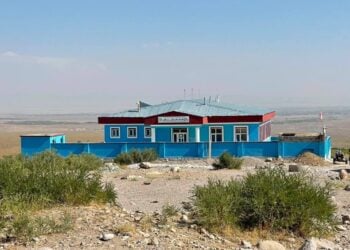
A newly constructed health center in the Qaloch area of Qarabagh district, Ghazni, funded by local residents. (Photo credit: Exclusive)
Afghanistan News

Health Center Built with Local Residents’ Funds in Ghazni Province

3 October 2026 [t_time:1791050782]
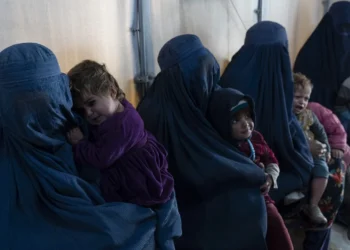
A group of women in burqas walk through Herat amid worsening economic hardships and concerns over meeting basic needs. (Photo credit: AFP)
Afghanistan News

Herat’s Impoverished Families: ‘We Can No Longer Meet Our Basic Needs’

3 October 2026 [t_time:1791049543]
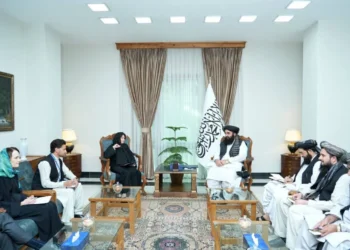
Amir Khan Muttaqi meets with UN Deputy Secretary-General Rosemary DiCarlo during a session in which Afghanistan and regional issues were discussed. (Photo credit: @MoFA_Afg)
Afghanistan News

Amir Khan Muttaqi Meets UN Deputy Secretary-General for Political Affairs

3 October 2026 [t_time:1791049349]

Latest

Loading latest news...

Popular stories

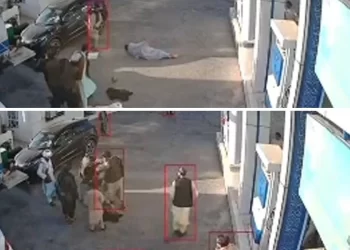
  • Surveillance footage shows Taliban fighters surrounding and shooting a bound man in Herat. (Photo credit: Social Media)

    Taliban Shoot Young Man from Herat After Torturing Him with Hands Tied

    Share
    Share Tweet
  • UN Report Reveals Shifts in Family Attitudes and Rise in Domestic Violence in Afghanistan

    Share
    Share Tweet
  • Al-Qaeda Releases Hamza bin Laden Message on 9/11 Anniversary

    Share
    Share Tweet
  • Afghanistan Journalists Center: Taliban Have Detained Around 300 Journalists and Media Workers

    Share
    Share Tweet
  • Freedom Front Claims 37 Taliban Fighters Killed in Nuristan and Kunar

    Share
    Share Tweet

Podcast

Insights
Insights

Join Lynne O’Donnell for 8AM’s podcast series, Insights.
Lynne talks with generals, diplomats, soldiers, journalists, politicians, activists, people who have front row seats for conflicts around the world, and citizens with a story to tell, happy or sad. For this first series, Afghanistan is the focus. Lynne and her guests talk about the collapse of the republic in August, 2021, and the impact since — for the people of Afghanistan, for the security of the region, for the safety of the world. It’s important, interesting and insightful.

Insights/22: Controlling the Narrative with Mina Sharif
byinsights8am

Controlling the Narrative

Lynne O’Donnell talks with Mina Sharif, author, activist, women’s rights campaigner, educator and mentor. They discuss who controls the narrative and who speaks for Afghanistan’s people when the Taliban appear to have seized control not only of the country but of the message, too.

Have a listen

Insights/22: Controlling the Narrative with Mina Sharif
Episode play icon
Insights/22: Controlling the Narrative with Mina Sharif
Episode Description
Episode play icon
Insights/21: Media Meltdown with Zahra Joya
Episode Description
Episode play icon
Insights/20: Terror Inc with Scott Richards
Episode Description
Episode play icon
Insights/19: Busting Stereotypes with Bushra Gohar
Episode Description
Episode play icon
Insights/18: Media Matters with Waliullah Rahmani
Episode Description
Episode play icon
Insights/17: What Goes Around Comes Around with Sima Samar
Episode Description
Search Results placeholder
Hasht-e Subh

8AM Media, also known as Hasht-e-Subh Daily, stands as Afghanistan's premier independent and non-profit newspaper, resonating as a beacon of journalistic integrity since its establishment in June 2007 by esteemed Afghan journalists and human rights advocates. With a steadfast commitment to citizen journalism and civic education, Hasht-e-Subh Daily has earned its place as the most esteemed publication in the nation.

Publisher: Sanjar Sohail
Email: [email protected]
Executive Director: Parwiz Kawa
Email: [email protected]

Read More

Health Center Built with Local Residents’ Funds in Ghazni Province

Herat’s Impoverished Families: ‘We Can No Longer Meet Our Basic Needs’

Amir Khan Muttaqi Meets UN Deputy Secretary-General for Political Affairs

Erdogan: Turkey to Create a “Complete Revolution” in Defense Industry

Russia Strikes Military Equipment Storage Center in Kyiv

Editor’s Choice

Every Saturday morning, 8AM MEDIA English Services Department will guide you through the week’s biggest stories from Afghanistan and the international community.

Subscribe

© 2026 - ©Hasht-e Subh Daily

No Result
View All Result
8am.Media
پښتو ویب‌پاڼه
ویب‌سایت فارسی
اۉزبېکچه ویب‌سایت
  • Home
  • News
    • Afghanistan News
    • World News
  • Opinion
    • Editorial
    • Analysis
  • Reports
    • Daily Reports
    • Investigative Reports
  • Society
    • The story of people
  • Women’s Word
  • Columns
    • Three Years After Afghanistan’s Fall: The Taliban’s Resurgence
    • Towards Equality
    • The Resurgence of the Taliban: Two Years Since Afghanistan’s Fall
    • Hebatullah Report Special Edition
    • Resistance for Education Special Edition
    • Special Column on Taliban’s Education Curriculum
    • Nawroz
  • Interviews
  • Contact Us
    • About Us
    • 8AM MEDIA Annual Awards
    • Submit an Article to Hasht-e-Subh
  • 8am.media

© 2026 - ©Hasht-e Subh Daily