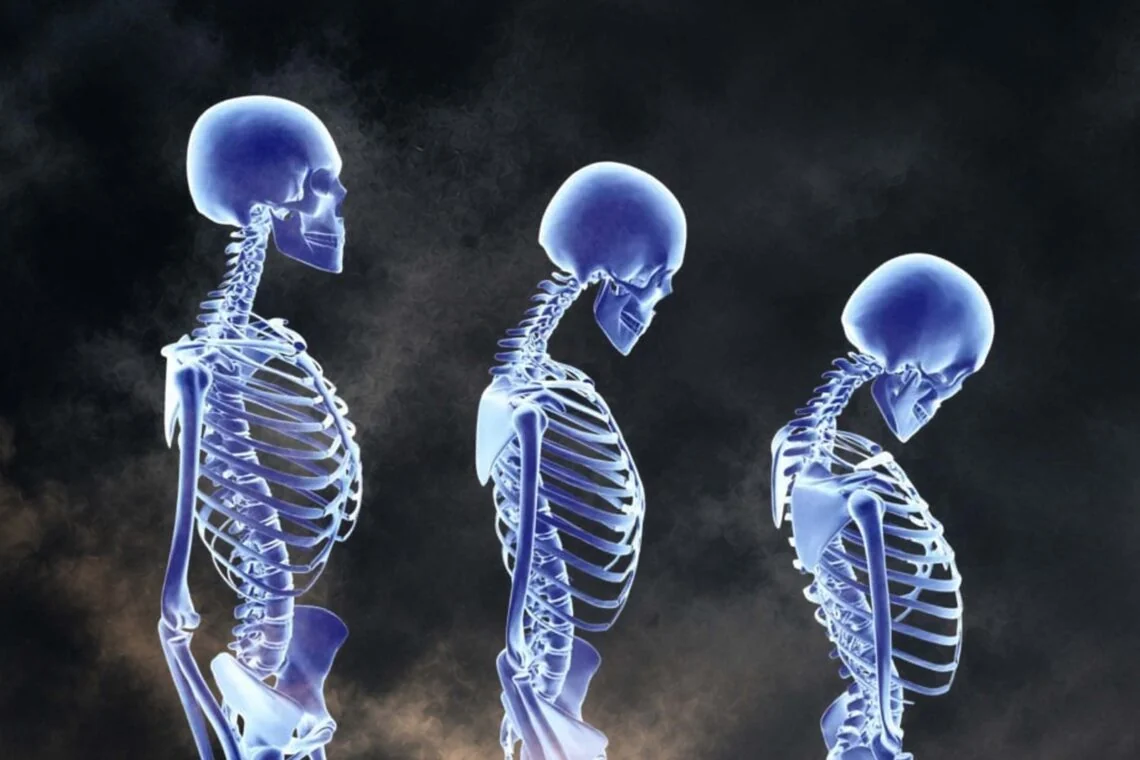
Osteoporosis is among the diseases that gradually reduce the density and strength of the bones and can limit people’s ability to carry out daily activities. Several doctors in Kabul say that the disease usually shows no specific symptoms in its early stages and may go undiagnosed until a fracture occurs. According to them, calcium and vitamin D deficiency, poor nutrition, physical inactivity, and hormonal disorders are important causes of osteoporosis. These doctors stress that timely diagnosis and the start of treatment can prevent the progression of the disease and the fractures that result from it. They add that women, especially after menopause, are at greater risk of osteoporosis and should pay more attention to the health of their bones. According to the doctors, proper nutrition, sufficient intake of calcium and vitamin D, and regular physical activity play a role in maintaining bone health. They also cite low public awareness of the risk factors and of the silent nature of the disease as reasons for delays in its diagnosis and treatment.
Hamed Wardak, one of the doctors, says that osteoporosis is a disease that gradually reduces the density and strength of the bones. According to him, advancing age, calcium and vitamin D deficiency, poor nutrition, and lack of physical activity are important causes of the disease. He adds that women, especially after menopause, are at greater risk of osteoporosis.
Mr. Wardak says: “In osteoporosis, the density and strength of the bones decrease, and their internal structure becomes weak. For this reason, the bones may fracture even from a minor impact or a fall.”
The doctor adds that measuring bone density and assessing risk factors are important for diagnosing osteoporosis. According to him, the DEXA machine is one of the main methods for diagnosing the disease. He stresses that proper nutrition, intake of calcium and vitamin D, and regular physical activity play a role in preventing osteoporosis.
The doctor says: “In Afghanistan, access to diagnostic and treatment services for osteoporosis faces economic and social problems. These limitations are seen more in rural and remote areas. One of the fundamental problems is people’s low awareness of the silent nature of this disease and the importance of timely diagnosis. Many people go to medical centers only after they have suffered a bone fracture.
Ahmad Bilal Hashemi, a specialist in orthopedics and spinal traumatology (the study of injuries caused by impact) at Ali Abad Teaching Hospital, says that in advanced stages, osteoporosis can weaken the bones to such an extent that even minor impacts or a simple fall can cause them to fracture. According to him, the vertebrae of the spine, the neck of the thigh bone, and the wrist are among the areas most vulnerable to fractures caused by this disease.
He adds that because of the reduced strength of the bone, treating fractures in people with osteoporosis is more complicated and may limit the patient’s mobility. The doctor stresses that failing to treat osteoporosis after the first fracture increases the risk of subsequent fractures.
Mr. Hashemi says: “Fractures caused by osteoporosis differ from ordinary fractures, because in these patients, due to reduced bone density and strength, the bone lacks the necessary resistance even against minor impacts or a simple fall. While such an impact may not cause a fracture in a person with healthy bones, it can lead to a fracture in a person with osteoporosis. The vertebrae of the spine, the neck of the thigh bone, and the wrist are among the areas most exposed to this type of fracture.”
The doctor adds that in some patients, especially the elderly, a fracture of the neck of the thigh bone may require surgery. According to him, reduced bone density can make it more difficult to stabilize the fracture with screws and plates. The cost of surgery, the procurement of medical equipment, and limited access to rehabilitation services are also among the problems that patients in Afghanistan face.
Hashemi says: “In patients with osteoporosis, treating a fracture is accompanied by difficulties because of the poor quality of the bone. In such conditions, the screws may not have sufficient grip in the bone, and the likelihood of the broken pieces shifting again or the fixation devices loosening increases. For this reason, the surgeon must choose the appropriate method of treatment and surgery based on the degree of bone weakness, the type of fracture, and the patient’s condition.
The doctor stresses: “Successful treatment of these patients is not limited to surgery and the healing of the bone; the treatment of osteoporosis itself and the prevention of repeat fractures must also be given attention.”
Abdul Jamil Ahmadzai, a specialist in orthopedic surgery and traumatology (the treatment of injuries and trauma to the bones, joints, and organs of the body), says that osteoporosis is not limited to old age, and children and young people may also develop the disease. He considers vitamin D and calcium deficiency, low body weight, and certain kidney, liver, and blood diseases to be other factors contributing to osteoporosis in children and young people.
Ahmadzai says: “Childhood and adolescence are among the most important stages in the formation and strengthening of the bones. The better the bone mass is built during this period, the greater the strength of the bones will be in later years, and the risk of developing osteoporosis in adulthood will be reduced.”
He also cites long-term use of cortisone medications as one of the important factors that weaken the bones. According to him, these medications reduce the process of bone formation, disrupt the absorption of calcium in the intestines, and increase the excretion of calcium through the kidneys. As a result, the bones gradually weaken, and the likelihood of fractures increases.
Ahmadzai says: “One of the most dangerous characteristics of osteoporosis is that in the early stages it usually has no specific symptoms, which is why it is referred to as a silent disease. Many patients realize they have the disease only when their bones have fractured because of a minor impact or even a fall.”
The doctor adds that women over 50, the elderly, pregnant and breastfeeding women, malnourished children,d those with vitamin D deficiency, and people with chronic kidney and liver diseases and diabetes are at greater risk of osteoporosis. He also considers lack of sunlight, poor nutrition, and physical inactivity to be factors that increase the risk of the disease.
Alongside the medical and diagnostic problems, several women who have developed osteoporosis say that before contracting the disease they had little awareness of it, and that they learned of their condition only when the symptoms had intensified and made their daily activities difficult.
Maryam (pseudonym), one of the women with osteoporosis, says that before her diagnosis she was unaware that she had the condition. She adds that whenever her back hurt, she rubbed it with black seed oil, and that she discovered her disease only when the osteoporosis had advanced. According to her, she has been under treatment for two years, but back pain and a hunched spine still make many of her daily activities difficult.
Maryam says: “At first I had no specific symptoms, and gradually my back began to hurt and my spine became hunched. When I went to the doctor, they told me I had osteoporosis. It has now been two years that I have been under treatment. I ask women to take their pain seriously and not to settle for home remedies, because none of these methods replace seeing a doctor. They should not let their disease progress as mine did. Now I do not even have the strength to lift a water jug, and I face many difficulties.”
Osteoporosis is a disease that occurs as a result of reduced bone density and strength and increases the risk of fractures. The disease can affect any bone in the body, but it is most commonly seen in the hip, spine, and wrist.
Because of its gradual progression and lack of specific symptoms in the early stages, the disease is also known as the “silent disease.” Many of those affected become aware of their disease only when their bones have fractured.
Osteoporosis can be diagnosed by measuring bone density. In addition, proper nutrition, regular physical activity, and sufficient intake of calcium and vitamin D can help maintain bone health and reduce the risk of developing the disease.
Gender, advancing age, small body frame, and family history are among the risk factors for osteoporosis. By contrast, poor nutrition, physical inactivity, and certain hormonal disorders are factors whose associated risk can be reduced through care and medical intervention.
However, in Afghanistan there are no official and accurate statistics on the prevalence of osteoporosis, especially among women.
You can read the Persian version of this report here:
ناآگاهی و تشخیص دیرهنگام؛ چالش بیماران مبتلا به پوکی استخوان در افغانستان