Following the bloody killing of several Shiite residents in Herat, some Shiites from the provinces of Sar-e Pol and Samangan who travel to Mazar-e-Sharif have expressed concern about the recurrence of similar massacres in the northern provinces of the country. They voiced fears over the repetition of such violent incidents and said that extremist groups have repeatedly killed Shiite travelers along the Dara-e Suf–Mazar-e-Sharif route. Residents of Sar-e Pol cite the shooting of five Shiites on April 26, 2022, along the Dara-e Suf–Mazar-e-Sharif road as an example of the recurrence of such incidents.
Ghulam Hussain, a resident of Balkhab district in Sar-e Pol who has traveled to Mazar-e-Sharif, says that each time he passes through the Chimtal district of Balkh, he does so with fear and anxiety, as he worries that he may be killed by extremist groups along the roadside. He says that following the killing of Shiites in Herat, he has become even more concerned about the recurrence of such incidents on the routes between Sar-e Pol and Balkh. According to him, since the Taliban regained control of the country, Shiites in Sar-e Pol have repeatedly been declared infidels by extremist mullahs, yet the Taliban have not acted to prevent it.
Ghulam Hussain emphasizes that the killing of Shiites in Herat has deeply alarmed the Shiite population in Sar-e Pol, who fear that they may face a similar fate.
Hussain Rezaei, a resident of Sanchark district in Sar-e Pol, also says that Shiite travelers do not feel safe on the roads, and that concerns have now increased. He adds that feelings of hatred and excommunication against Shiites are growing day by day, and that he has personally witnessed even ordinary people speaking against Shiites with hostility and anger.
Mohammad (pseudonym), a young man who owns a shop in Dara-e Suf district of Samangan and travels to Mazar-e-Sharif for supplies, says that at any moment along the Dara-e Suf–Mazar-e-Sharif route, Shiite travelers could be killed. He adds that in the past, travelers on this same route were killed by unknown armed individuals for being Shiite. According to him, the group “ISIS” is merely a label used to attribute the killing of Shiites, as everyone knows which group currently holds power as the only armed authority.
This resident of Dara-e Suf says that people are deeply worried, and that his own family has repeatedly urged him, especially after the bloody incident in Herat, to limit his travel along the Mazar-e-Sharif route.
A Shiite religious scholar says that discrimination and hatred against the Shiite community have intensified under the policies of the ruling group. Mr. Najafi adds that other extremist groups are exploiting the environment created by the Taliban to act against Shiites and express their hatred through bloody killings and massacres. According to him, it is very difficult to distinguish between members of the ruling group, “unknown armed individuals,” and the group “ISIS,” and in the absence of an accountable system, fear and anxiety are increasing day by day within the Shiite community over the possibility of incidents similar to those in Herat.
The Shiite religious scholar further adds that the Shiite community has been subjected to such levels of discrimination, hatred, and fear that if they had any means of escape, they would act on it immediately. He calls on the Taliban to demonstrate that they have no role in these acts of violence by arresting, publicly prosecuting, and punishing those responsible for the bloody killings in Herat.
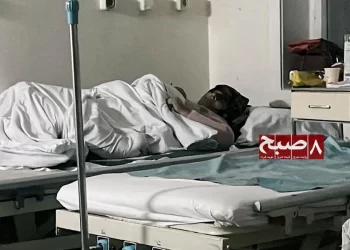
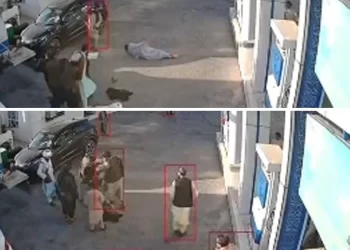
These concerns are being raised as, according to a report by the United Nations Assistance Mission in Afghanistan (UNAMA), 11 people were killed and 11 others wounded last Friday as a result of a shooting carried out by unidentified gunmen. The incident has drawn widespread reactions. In protest, thousands of residents of Herat took to the streets, demanding the arrest of those responsible. So far, no group has claimed responsibility for the attack.
You can read the Persian version of this report here:
کشتار خونین هرات؛ شیعیان در سرپل و سمنگان نگران گسترش خشونت هستند