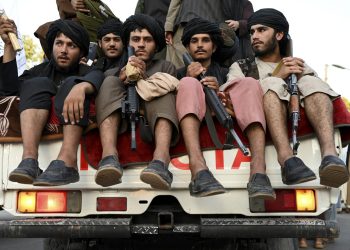
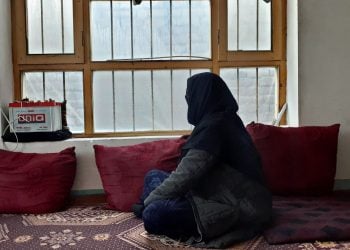
Over three years of Taliban rule in Afghanistan, accompanied by restrictive laws imposed by this group, have cast an uncertain future for the people of Afghanistan. During this time, the Taliban have consistently tried to implement increasing restrictions on the Afghan people, especially on women. The sequence of these limitations shows no clear end, but they will not stop here. The likelihood that the Taliban will continue imposing restrictions on the Afghan people as long as they remain in power is high. Another issue casting a shadow over the country’s situation and its future is the Taliban’s approach to opposition politicians. Over the past three years, the Taliban have attempted to ignore these politicians and have disregarded their calls for intra-Afghan dialogue. Fundamentally, the Taliban, who seized power through violence and force, see no need for such dialogue and consider themselves the uncontested rulers of the country. Given that anti-Taliban movements are also gaining momentum, the group faces two main options: either submit to negotiation or continue fighting against the people of Afghanistan. The situation is far from resolved, contrary to what the Taliban would have people believe. A large portion of Afghan citizens and politicians, both inside and outside the country, object to and oppose the Taliban’s policies. Consequently, platforms such as the Vienna Process and other scattered efforts, like those in Turkey, initiated by Afghan political elites, are underway. On the other side, there are anti-Taliban military fronts that have been engaged in armed conflict against the Taliban for more than three years. The activities of these fronts have recently increased. If we follow daily reports and news, we see that these attacks inflict significant casualties on the Taliban.
During this period, the Taliban have closed all avenues for establishing a broad-based government. They see no need to negotiate with politicians. Despite this, many anti-Taliban politicians and political groups formed abroad still emphasize dialogue with the Taliban. They await an external force or country to pressure the Taliban into negotiations or for an event to trigger the start of dialogue. In their view, an occurrence like Donald Trump winning the U.S. presidential election could potentially unlock the deadlock in talks with the Taliban. Undoubtedly, the U.S. elections impact the fate of many countries, including Afghanistan. The influence of the U.S. in Afghanistan is significant—it can both block the Taliban from gaining international legitimacy and simultaneously keep them afloat with financial aid, or prevent serious anti-Taliban movements. Now, it depends on anti-Taliban politicians to what extent they can capitalize on the new political situation in the U.S., and it also hinges on the policies and decisions of the future U.S. administration.
Anti-Taliban politicians are divided into two groups: those who see dialogue with the Taliban as the only solution to the current political deadlock, and those actively engaged in armed conflict with the Taliban who, at the same time, do not deny the need for dialogue with this group. Therefore, for all anti-Taliban political factions—whether fighting against the Taliban or waiting for a dialogue to open—it is understood that Afghanistan’s future political system must involve the Taliban. This time, eliminating the Taliban does not seem feasible and is not an option that could secure lasting stability in the country. For this reason, while anti-Taliban fronts fight against the group, they simultaneously emphasize the necessity of dialogue. However, over the past three years, the anti-Taliban movement has been unable to unify itself. Political groups in favor of negotiation have remained as the few political organizations formed after the Taliban’s rise to power. If anything, they have not become more united and may have even grown more fragmented. The Vienna Process continues on its path, the recent meeting in Turkey—reportedly supported by Hamid Karzai and Dr. Abdullah—follows its direction, and political organizations like the Supreme Council of Resistance for the Salvation of Afghanistan or the Freedom Party pursue their paths; however, none have achieved concrete results so far.
While the Vienna platform has managed to attract the attention of some countries and international organizations to some extent, it still has a long way to go before reaching any agreement on Afghanistan’s future. There is still no consensus on how to deal with the Taliban. However, this platform has so far been more successful than others. Other political formations and their meetings have not even managed to garner attention. The anti-Taliban military fronts, however, have shown increased activity in recent months, even though they too have been unable to unite and stand together. Each of these fronts operates independently, but ultimately both the National Resistance Front of Afghanistan and the Afghanistan Freedom Front are fighting against the Taliban. These attacks inflict considerable losses on the Taliban. Although the Taliban deny the existence of military fronts, they remain silent about the casualties their forces suffer in these attacks. Despite everything, it is a confirmed reality that the activities of these fronts have increased this year. This could indicate the serious determination of these fronts to resist the Taliban, but they have yet to pose a serious threat to the group. In the future, however, these fronts may grow stronger, forcing the Taliban to consider the option of dialogue more seriously. The rise in poverty, along with the increased restrictions imposed by the Taliban, has left society disheartened and compelled. The forced and trapped society struggles to free itself from the quagmire. In this context, the anti-Taliban military fronts will likely strengthen, and the battlefield will heat up.
You can read the Persian version of this analysis here: