United Nations Secretary-General António Guterres has said in a new report on Afghanistan that the country continues to be affected by a complex combination of insecurity, poverty, displacement, environmental challenges and severe restrictions on the rights of women and girls. These factors have had devastating consequences for children.
Expressing concern over the situation of children in Afghanistan, Guterres said 1,415 children were killed or injured over the past three years. According to United Nations figures, 557 cases of child recruitment and use were documented during this period, an 81 percent increase compared with the previous reporting period. All these cases were attributed to the Taliban, and the report noted that some of the recruited children were as young as 12.
According to the UN secretary-general, children in Afghanistan face widespread violations of their rights, including killing and maiming, recruitment into armed conflict, sexual violence and denial of humanitarian access. The report identifies poverty, insecurity, cross-border clashes and Taliban restrictions on women and girls as factors worsening the crisis facing children in Afghanistan.
Guterres said the report covers the period from January 1, 2023, to December 31, 2025. It also states that escalating cross-border clashes between Afghanistan and Pakistan are increasingly affecting children. According to Guterres, restrictions imposed on women and girls have both direct and indirect consequences for children’s well-being and access to services.
The report says 4,582 grave violations against children were verified during the reporting period, a 38 percent decrease compared with the previous reporting period. However, this decline should not be interpreted as an overall improvement in the situation of children across the country.
According to the report, the most frequently verified violation was the denial of humanitarian access, which increased by 189 percent to 2,241 cases. The next most common violation was the killing and maiming of children, with a total of 1,415 children killed or injured.
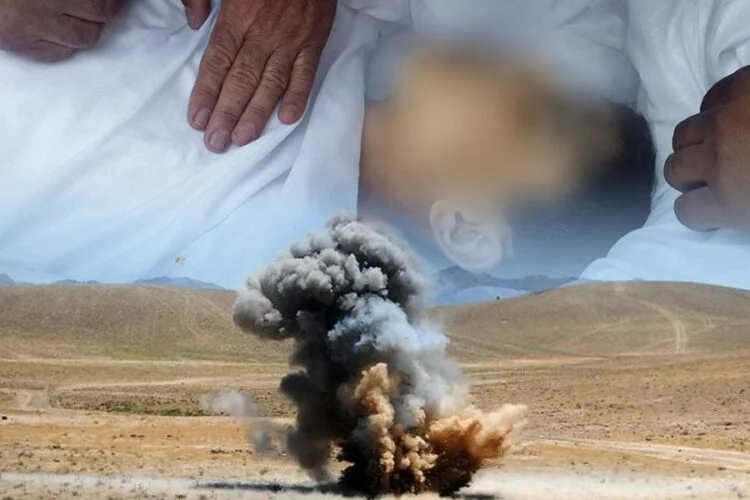
The report states that explosive ordnance accounted for approximately 80 percent of all child casualties. In the past week alone, three children were killed by the explosion of an unexploded mortar shell left over from an earlier conflict. Guterres said Afghanistan remains one of the countries with the highest casualty rates from unexploded ordnance.
According to the report, most verified grave violations against children were attributed to the Taliban, followed by unidentified perpetrators. This has made accountability more difficult.
Vanessa Frazier, UN assistant secretary-general and the secretary-general’s special representative for children and armed conflict, said: “No child should have to fear that their schoolyard, street or playground could become a place of injury or death. All parties must take every possible measure to protect children, refrain from using explosive weapons in populated areas and uphold their obligations under international law.”
Frazier added that immediate support for humanitarian mine-action and explosive ordnance clearance programs is essential to reduce preventable deaths and injuries among children.
Child Recruitment and Use in Armed Conflict Rises by 81 Percent
The report says the recruitment and use of children in armed conflict increased by 81 percent compared with the previous reporting period, reaching 557 cases. In addition, 31 children were detained on national security-related charges or for alleged association with armed groups.
However, this figure does not represent the actual number of children detained, as restrictions on access to detention facilities in 2024 and 2025 prevented the verification of cases.
Frazier called on Taliban authorities to grant the United Nations unhindered access to detention facilities to help protect children.
Educational and Social Restrictions on Girls
Girls have been particularly affected by increasing restrictions on their rights, including the ban on education beyond grade six.
Restrictions on female staff working for humanitarian organizations and the United Nations, including bans on accessing workplaces and office compounds, have also disrupted the delivery of essential services to women and children. These restrictions, combined with additional provisions under the Taliban’s Law on the Promotion of Virtue and Prevention of Vice, issued in August 2024, have further complicated the provision of aid.
The UN assistant secretary-general said: “In Afghanistan, the cost of war is measured in the lives of children whose childhoods have been disrupted and girls who have been denied their opportunities.”
She called on Taliban authorities to repeal laws and policies that prevent women and girls from fully exercising their rights and participating in society. This includes the Law on the Promotion of Virtue and Prevention of Vice, as well as Taliban decisions imposing severe restrictions on Afghan women working for domestic and international nongovernmental organizations and the United Nations.
Children from Minority Communities Face Greater Vulnerability as Sexual Violence Continues
According to the report, children from minority communities may face greater vulnerabilities and barriers to education, protection and essential services. It stresses the need to ensure that all children enjoy their full rights without discrimination, regardless of their background.
The report also identifies sexual violence against children as a serious ongoing concern. During the reporting period, 24 cases of sexual violence against children were verified. However, barriers to reporting, social stigma, fear of retaliation and harmful social norms have prevented many cases from being reported.
The report states that the ban on bacha bazi, a practice involving the sexual exploitation of boys, under the Law on the Promotion of Virtue and Prevention of Vice must be fully enforced.
Attacks on schools and hospitals have also remained high. A total of 338 attacks on these facilities were verified during the reporting period.
Urgent Need for International Support
Guterres said that during the reporting period, 576 boys were released from Taliban ranks in northern and northeastern Afghanistan and enrolled in community reintegration programs. The move followed a Taliban Ministry of Defense directive prohibiting the recruitment and use of children in its armed forces.
The report calls on the Taliban to align their definition of a child with the Convention on the Rights of the Child, to which Afghanistan is a party.
The UN assistant secretary-general said: “Behind every statistic is a child whose life has been changed forever. By working together to protect children today, we can help create a more peaceful and hopeful future for Afghanistan.”
Grave Violations Against Children in Afghanistan, Disaggregated by Gender
The report states that 446 children were killed and 969 injured during the reporting period. These casualties included 1,094 boys, 310 girls and 11 children whose gender was not identified.
The report also says the Taliban recruited or used 557 children, some as young as 12.
According to the report, 24 cases of rape involving 24 children were documented, including eight boys and 16 girls. Seven children, two boys and five girls, were also abducted, with all these cases attributed to the Taliban.
The report documented 338 attacks on schools and hospitals, including 163 attacks on schools and 175 on hospitals. It also recorded 2,241 cases of denial of humanitarian access.
Earlier, the U.S. Department of State also reported that human trafficking, particularly the trafficking and exploitation of children, continues in Afghanistan under Taliban rule.
According to that report, the Taliban detained children who beg on the streets without screening them for signs of human trafficking and held them in detention facilities alongside adults. This exposed the children to forced labor, physical abuse and sexual exploitation.