
War is a major catastrophe inflicted upon humanity, irrespective of where or under which moniker it transpires. The conflict in Ukraine exemplifies such devastating catastrophes, ruining the lives of millions or inundating them with suffering and distress. One element exacerbating the pain of wars and expanding the tragic scope is governments’ employment of non-state paramilitary forces.
More often than not, paramilitaries operate with intensified severity; they are not bound by international laws, lack accountability to the populace, and their strategy primarily orbits around a single goal – victory, disregarding political, legal, and ethical considerations.
Why do governments lean on paramilitaries? One contributing factor is the military inadequacy of traditional armies, which lack the capacity to wage extensive wars. In contrast, paramilitary forces can offset this shortcoming by initiating disruptions and inflicting harm on the enemy.
In some instances, the economic aspect and the desire to curb war expenses prompt reliance on these forces. Mobilizing the colossal machinery of a full-scale army incurs billions in costs, significantly reduced by employing paramilitary forces.
Furthermore, on occasion, governments deploy paramilitaries to hasten the breakdown of the opponent’s war machinery through acts of violence and potentially war crimes, accelerating changes in the war equations.
However, historical analysis indicates that employing paramilitaries in wars can be a double-edged sword, potentially yielding adverse outcomes. These forces primarily seek immediate economic gains, lacking faith in concepts like national interests or ethical values. Consequently, they could swiftly shift from ally to adversary or even enemy, should their immediate benefits necessitate it.
This pattern is recurrent in our region’s history, from the Abbasid, Samani, Seljuk, to Timurid, Ottoman, and Safavid empires, with these paramilitary forces occasionally leading to the disintegration or establishment of new authorities.
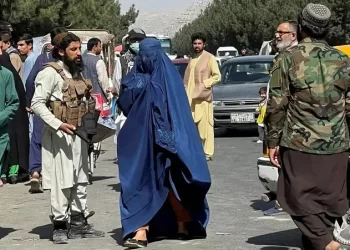
In recent history, the Taliban initially emerged as a paramilitary force, designed for geopolitical objectives and exploited by different nations for similar ends.
Many speculated that the Taliban could assume a disruptive role but wouldn’t succeed in toppling Afghanistan’s government.
As events unfolded, however, the government neared collapse, with this paramilitary group seizing control of the country’s fate.
Today, Afghanistan has transformed into an enigmatic black hole, its future uncertain to neighboring countries, Afghan citizens, and even other engaged powers.
Governments and political players would be better advised to abide by conventional norms and shun the perilous games involving paramilitaries, as the repercussions remain unpredictable for all involved. Valuable lessons can indeed be drawn from the experiences of Wagner and the Taliban.